Who is this choice for?

If you want cream that stays on the bread

If you’d like to add a spoonful of cream alongside your jam without choosing a runny texture, start with thick crème fraîche. If you’re looking for cultured cream, check the ingredients too: Elle & Vire uses lactic acid cultures to thicken its cream.

If you want to choose based on the cream’s flavour

If the cream’s flavour matters as much as its consistency, compare the ingredients, fat content and, where stated, its origin. However, an origin label or fat percentage alone won’t tell you how thick the cream is.

If you’ll also use the cream in cooking

If you mainly plan to add the cream to recipes, a liquid or semi-thick variety may be better suited to the job. Check its texture separately before choosing it for toast.

What should you look for?

For toast, start by checking the consistency, and look for cultures if you want cultured cream. Then compare the fat content and storage instructions to suit any other ways you plan to use it.

What to consider What to check Who it’s for
Consistency and culturing Look for “thick crème fraîche”; for cultured cream, check the ingredients for lactic acid cultures. I want cream that I can spoon onto bread rather than a runny consistency, with the character of cultured cream. Around 50% of consumers would put this need first.
Flavour and fat content Compare the fat content and ingredients, as well as the origin if stated. The DGCCRF classifies light cream as having at least 12% but less than 30% fat, and cream as having at least 30%. If dairy flavour and origin guide my choice, I check these details without assuming they indicate the texture. This would be the main consideration for around 30% of consumers.
Uses and storage Look for terms such as “liquid” or “UHT”, as well as the pack size, date and storage instructions before and after opening. I mainly want to cook with the cream and choose a pack that suits the way I’ll use it; how well it sits on toast comes second. Around 20% of consumers would prioritise this versatility.

Common pitfalls to avoid

  • Assuming 30% fat means the cream is thick

    Both liquid and thick varieties can contain 30% fat, as Elle & Vire’s product ranges show. This percentage doesn’t tell you whether the cream will stay on your bread.

    For toast, first check whether it’s labelled “thick” or “liquid”, then compare the fat content.

  • Relying on the word “cultured” alone

    Elle & Vire explains that adding lactic acid cultures helps acidify and thicken cream. To find the texture you want, the product description and ingredients are more useful than a reference to flavour alone.

    Check that the product is thick crème fraîche, and look for lactic acid cultures in the ingredients.

  • Overlooking how to store fresh cream

    Storage instructions vary by product. For its 50 cl pot of whole thick crème fraîche, Auchan recommends storing it between +2 °C and +6 °C before and after opening, and using it soon after opening.

    Follow the instructions on the pack you buy and return the cream to the fridge promptly.

Brands and retailers to compare

Elle & Vire

The brand offers liquid, semi-thick and thick creams, including whole varieties.

  • Its range lets you compare products with clearly different textures. Elle & Vire offers, among others, a whole thick cream with 30% fat.
  • For toast, choose the thick variety rather than a liquid one based on its fat percentage alone.

Carrefour

The retailer offers a range of whole pouring creams, including an Extra UHT variety with 30% fat.

  • The “pouring” label makes it easy to identify a texture suited to recipes that call for liquid cream.
  • This pouring cream isn’t the right match if you’re looking for thick cultured cream to spoon onto bread.

E.Leclerc / DELISSE

E.Leclerc offers DELISSE thick crème fraîche with 30% fat. Its ingredients include pasteurised cream, pasteurised skimmed milk and lactic acid cultures.

  • Its “thick” description and the presence of cultures are two of the first things to look for in this type of cream for toast.
  • Check the ingredients and instructions on the product available at your local store.

Auchan

The retailer offers a 50 cl pot of whole thick crème fraîche with 30% fat.

  • Its product information lists lactic acid cultures and gives storage temperatures for before and after opening.
  • Auchan notes that the ingredients may vary by store and purchase date, so check the label on the pot you choose.

ALDI / Milsani

ALDI offers Milsani thick crème fraîche and whole UHT liquid cream, both listed with 30% fat.

  • These two products show the difference between fat content and texture.
  • Choose according to how you plan to use it: don’t confuse “UHT liquid” with “thick crème fraîche”.

A thick cream to consider on Joybuy

This thick-textured product may suit shoppers looking for cream to spoon onto toast. If cultured crème fraîche is your priority, check the pack for lactic acid cultures and storage instructions before choosing.
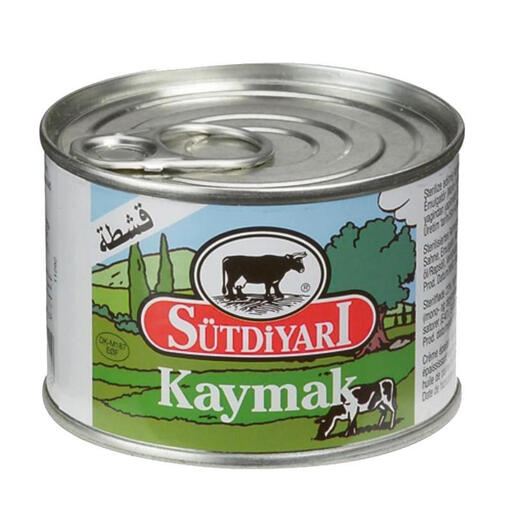
Sutdiyari Turkish thick cream, 23% fat, 170 g

Sutdiyari Thick Cream Turkish, 23 %, 170 g

Its thick-cream description makes it worth considering for toast. It contains 23% fat and comes in a 170 g pack. If you’re specifically looking for cultured cream, check the packaging for lactic acid cultures.

View on Joybuy

Frequently asked questions

Should you choose liquid or cultured cream for toast?

For cream you can spoon onto bread, look for thick crème fraîche. If you want cultured cream, check for lactic acid cultures too. Elle & Vire explains that adding cultures is associated with the acidification and thickening of cream.

Is cream with 30% fat always thick?

No. Fat percentage alone doesn’t define the texture. The DGCCRF states that cream contains at least 30% fat, while ranges such as Elle & Vire’s include both liquid and thick varieties with this fat content. So be sure to check the product description too.

What should you check on the label before buying?

Start with the product description: “liquid”, “semi-thick” or “thick”. Then check the ingredients if you’re looking for lactic acid cultures. Also compare the fat content, quantity, date and storage instructions. The DGCCRF notes that the product description, ingredients and nutritional information are among the details provided on food labels.

How should you store thick crème fraîche after buying it?

Follow the storage temperatures and after-opening instructions on the pack. For its own 50 cl pot of whole thick crème fraîche, Auchan recommends storage between +2 °C and +6 °C both before and after opening, and advises using it soon once opened.