What should you check before buying?
Start with the type of cream each recipe calls for, then choose a pack size that suits the preparation and storage of your cakes.
Thick crème fraîche
Choose it: when the recipe specifically calls for thick cream with a firm texture and a slightly tangy taste, as described by Les produits laitiers.
Bear in mind: this type of fresh product needs to be kept chilled. Don’t assume it can replace liquid cream intended for whipping.
Semi-thick UHT cream
Choose it: if the recipe works with this texture and you’d like to buy the cartons in advance. Elle & Vire describes its 30% fat semi-thick cream as suitable for cooking in the oven.
Check: the product description and ingredients of the option you choose. “Semi-thick UHT” does not mean “thick crème fraîche”.
Full-fat UHT liquid cream
Choose it: when the recipe calls for a pourable cream, particularly for ganache or something you’ll whip. Les produits laitiers says that full-fat UHT liquid cream can be whipped to make chantilly cream.
Bear in mind: don’t substitute it for thick cream without checking the recipe, especially if the starting texture is important. Also follow the storage instructions once opened.
| Criteria |
What to check |
Who is this important for? |
| Ingredients and allergens |
Read the ingredients list for every product you actually use, and prepare one for the finished cake. Check with the organiser how allergen information should be shared. |
If I’m offering families several different cakes, I want to be able to list the ingredients in each one rather than relying on a brand name alone. Around 42% of consumers put this kind of traceability at the top of their concerns. |
| Texture and recipe |
Compare the type called for — thick, semi-thick or liquid — and the fat content specified in the recipe and on the packaging. |
For a filling or something I need to whip, I first look for the type of cream the recipe calls for, so I don’t change it with an improvised substitution. Around 33% of consumers put this suitability first. |
| Storage and pack size |
Check the storage instructions before and after opening, then choose container sizes to suit the quantities you need to make. |
When I shop before baking day, I need to be able to store the products and manage opened containers without going against their storage instructions. Around 25% of consumers give this kind of planning the highest priority. |
Brands to know when comparing products
These examples show different textures and pack sizes. Compare the exact product with your recipe and check its label.
Elle & Vire
The brand offers a full-fat semi-thick UHT cream with 30% fat; Auchan also lists a 30% fat Elle & Vire UHT liquid cream.
- The semi-thick cream listing gives pack sizes of 3 × 20 cl and 1 L, and Elle & Vire says it can be used in the oven.
- Choose between liquid and semi-thick according to your recipe. For the liquid version listed by Auchan, the storage instructions change once it’s opened.
Carrefour Classic’
Carrefour offers a full-fat semi-thick UHT cream with 30% fat in a pack of three 20 cl cartons.
- The product listing details the milk cream, modified starch and texturising agents, making it easier to compare the ingredients with your recipe.
- Don’t assume its ingredients list applies to another semi-thick cream. Always check the product you buy.
Delisse (E.Leclerc / Marque Repère)
The E.Leclerc listing describes a full-fat UHT liquid cream with 30% fat in a 1 L pack.
- The liquid consistency suits recipes that specifically call for pourable cream, while the pack size lets you plan for a larger quantity.
- You may have some left over from a 1 L pack. Don’t substitute this liquid cream for thick cream without checking the recipe.
Milsani
Aldi describes Milsani’s 30% fat thick crème fraîche in a 50 cl tub as a fresh product.
- Its product description makes it a match for recipes that specifically call for thick crème fraîche.
- Plan to keep it chilled, and don’t assume it’s equivalent to liquid cream intended for whipping.
A thick cream option on Joybuy
This thick cream is worth considering for a recipe that calls for this texture. Before using it for a school cake sale, check what it’s intended for, its ingredients and its storage instructions; the product name alone doesn’t mean it’s UHT cream.
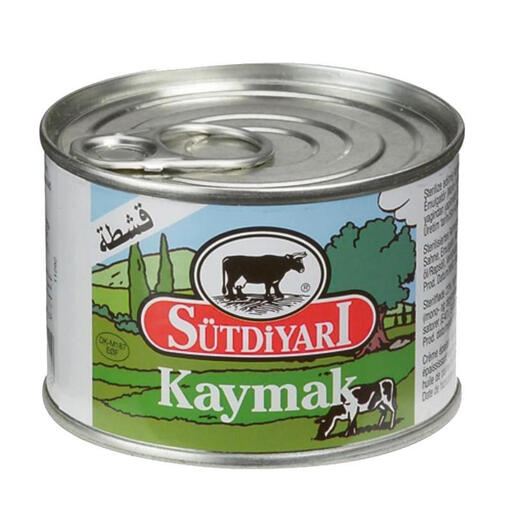 Image unavailable
Sutdiyari Thick Cream 23 %, 170 g
Worth considering if your recipe calls for thick cream, for example to serve with or fill a cake. Don’t assume it’s suitable for a baked mixture or for making whipped cream.
The product name states that it contains 23% fat and comes in a 170 g pack. Before using it in your cakes, check the packaging for the ingredients, allergens and instructions for use after opening.
View on Joybuy
Frequently asked questions
Is semi-thick UHT cream the same as thick crème fraîche?
No, these product descriptions don’t automatically mean the same thing. Les produits laitiers describes thick crème fraîche as cream that has been cultured and matured. Before choosing a semi-thick UHT cream, check the product description and texture your recipe calls for.
Which cream should I use for whipped cream to decorate cakes?
Start with a recipe that calls for full-fat liquid cream. Les produits laitiers says that full-fat UHT liquid creams can be whipped to make chantilly cream. Check the type and fat content of the product you buy rather than substituting thick cream.
How should I store a carton of UHT cream after opening?
Follow the instructions on the carton you’re using: storage guidance for an unopened carton no longer applies once it’s been opened. For Elle & Vire full-fat UHT liquid cream, Auchan advises keeping it between +2 °C and +6 °C and using it within three days of opening.
What should I do if the use-by date has passed?
Don’t use a product past its use-by date in cakes for the sale. Service-Public explains that using a product after this date can pose a risk; you should also follow the storage instructions on the packaging.
How can I tell families that the cakes contain milk?
For each cake, prepare clear information based on the ingredients actually used, including the cream, and keep the packaging. Service-Public covers allergen information for processed foods, including unpackaged food. Ask the organiser what arrangements apply to this school sale.


