
Livraison le jour même ou le lendemain

Qualité garantie

Débloquez vos offres de bienvenue: Livraison GRATUITE | Jusqu'à -80 % | 30 jours d'essai gratuits à JoyPlus
Téléchargez l'application
The cranberry has earned a prime spot in our kitchens and medicine cabinets, whether for its unique tart flavour or its recognised health benefits. But with overflowing shelves, it's easy to fall into the food industry's traps. Between drinks that are mostly sugar water and supplements with vague promises, making the right choice requires a discerning eye. As the Head of Product Recommendations at Joybuy, my mission is to help you navigate the options.
This guide breaks down the key things to check to choose cranberry products that deliver on their promises—without throwing your money away.
The market is flooded with products labelled "cranberry." Unfortunately, the packaging is often more impressive than the contents. Here are the three pitfalls to be aware of.
The juice aisle is the logical first stop. The trap? Many products are actually "nectars" or "flavoured drinks," with a minuscule amount of cranberry juice (sometimes less than 10%) drowned in water and sugar. Ultimately, you're paying for flavouring, not the fruit.
If you're interested in cranberries for urinary health, the key active ingredient to look for is proanthocyanidin (PAC). The problem? Many packages simply state "cranberry extract" without ever specifying the concentration of PACs. Without this dosage, it's impossible to judge the product's true effectiveness. It's a bit like buying a car without knowing its horsepower.
A dried cranberry can be an excellent cranberry snack or a choice ingredient. But be careful: because the berry is very tart, manufacturers generously coat it with sugar and sometimes oil (like sunflower oil) to soften the taste and texture. The healthy fruit then becomes little more than candy, where sugar takes over.
A few simple checks are all it takes to avoid these traps. Here's what to look for on the label before you check out.
This is THE non-negotiable criterion.
A short ingredients list is almost always a sign of quality. Avoid long lists of additives, artificial flavours, and a slew of sweeteners. For a dried cranberry, the ideal is to find a product with as little added sugar as possible.
First, clarify your needs. Are you looking for:
This simple question will naturally guide you to the right product category and the right selection criteria.
To put theory into practice, here are a few products that perfectly illustrate these principles for very different needs.
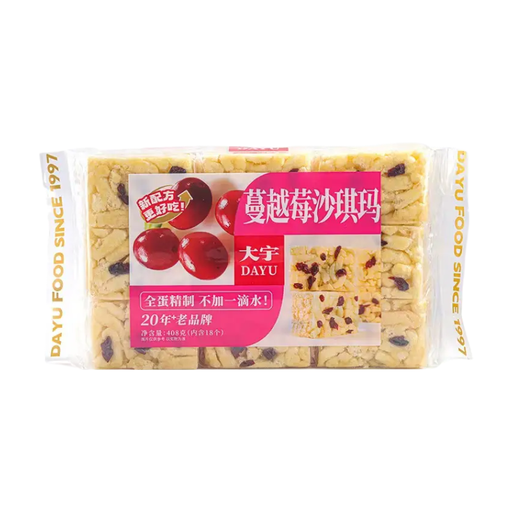
Who is it for? For those looking for an original and easy-to-carry snack that combines the sweetness of a puffed biscuit with the tart touch of cranberry. Perfect with tea or coffee.
Unlike a simple sugary snack, this product includes real pieces of dried cranberries (≥3%), offering an authentic fruity flavour rather than just an artificial aroma.
Soft and surprising texture; ultra-convenient individual packets for on the go.
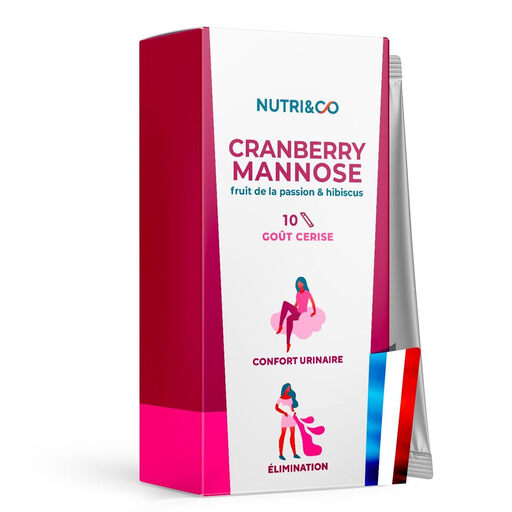
Who is it for? For those who want targeted support for their urinary comfort, with a clear, no-frills formula.
There's no room for ambiguity here: the composition is crystal clear and lists 360 mg of cranberry extract standardised to 36 mg of PACs, in synergy with 2,000 mg of D-mannose.
Precise and transparent formulation; portable stick format, easy to dissolve.
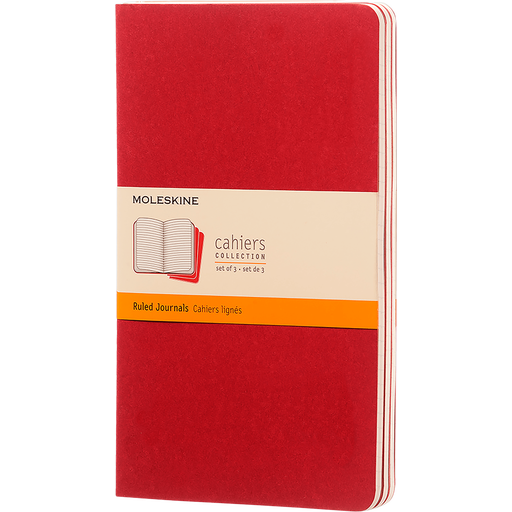
Who is it for? For professionals and creatives who appreciate beautiful, functional objects and are drawn to the deep, chic hue of the cranberry colour.
A purely and unapologetically aesthetic choice. The cranberry colour is a design signature, not an ingredient. The Moleskine quality is there, without any misleading marketing.
Iconic paper quality (70 g/m?, acid-free); timeless and durable design.
We've compiled a complete, up-to-date list of products that meet our strict selection criteria.
A "cranberry juice" is made of 100% fruit juice (even if from concentrate). A "drink," "nectar," or "flavoured" beverage contains a variable amount of juice, supplemented with water, sugar, and/or flavourings. For an authentic taste and less sugar, opt for juices that list the highest percentage of fruit.
The key criterion to demand is the Proanthocyanidins (PACs) dosage, expressed in milligrams (mg) per daily dose. A simple mention of "cranberry extract" is not enough. Insist on products that clearly display this information on their packaging.
No, it's a purely descriptive and aesthetic term. The cranberry colour refers to a deep red shade with purple undertones, inspired by the colour of the ripe fruit. It has no functional properties and is used solely to describe the design of an object, like a notebook or a travel mug.