
Livraison le jour même ou le lendemain

Qualité garantie

Débloquez vos offres de bienvenue: Livraison GRATUITE | Jusqu'à -80 % | 30 jours d'essai gratuits à JoyPlus
Téléchargez l'application
Whether it's for a last-minute school project, a scrapbooking session, or a small repair at home, choosing the right craft and DIY glue is crucial. The wrong adhesive can make your entire project fall apart, not to mention the wasted time and money. Our product expert breaks down the common pitfalls and essential criteria to help you make an informed choice.
The market is full of promises, but not all glues are created equal. Here are the most common disappointments:
To avoid these traps, you just need to check a few simple but crucial technical features.
This is the starting point: finding the right match between the glue and the surface.
These aspects are too often overlooked, yet they make a world of difference in practice.
Buying in bulk isn't always the best deal if half the stock ends up drying out in a drawer.
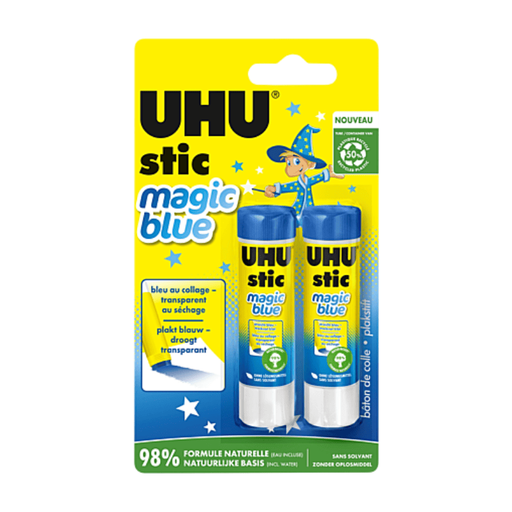
Why we chose it: The ultimate peace-of-mind solution for school projects. A formula designed for kids that combines effectiveness and safety.
The glue is blue on application so kids can see where they're putting it, then turns clear as it dries. Most importantly, it's washable in cold water, which prevents the disaster of stained clothes.
Solvent-free formula made from 98% natural ingredients. The screw-on cap effectively prevents it from drying out.

Why we chose it: For fans of repairs, decor projects, or model making. This tool combines performance, mobility, and safety for clean, hassle-free work.
Its patented drip-free nozzle puts an end to wasted glue and messes. No more workspace covered in hot strings and drips.
Fully cordless thanks to its USB-C rechargeable battery, it provides up to 60 minutes of runtime. Fast 30-second preheating and automatic shut-off: comfort and safety come first.
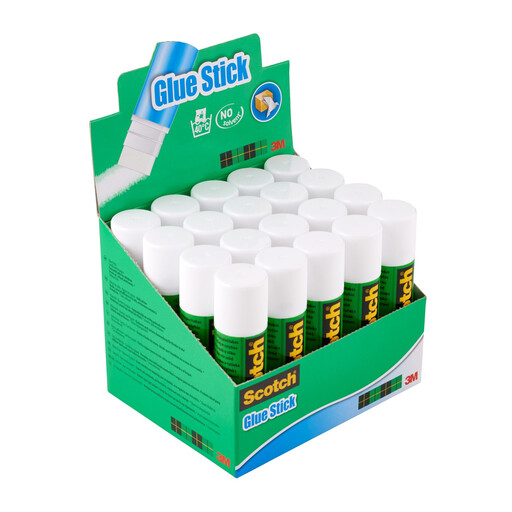
Why we chose it: For teachers, activity leaders, or office managers who need a reliable stock of craft supplies. An economical format so you're never caught unprepared.
By relying on a trusted brand like Scotch, you ensure a permanent and reliable bond on paper and cardboard. It's the guarantee against the pitfall of "universal" glues that don't live up to their promises, even on the simplest materials.
The pack of 20 sticks (21g each) offers unbeatable value for money. Its non-toxic, acid-free formula is perfectly safe for classroom use and won't yellow documents over time.
Our experts have curated a complete selection of products that meet our standards for quality and safety.
The vast majority of consumer glue guns use either 7 mm (mini) or 11 mm (standard) sticks. This information is always indicated on the tool's packaging or in its manual. Using the wrong diameter can jam the mechanism or cause leaks. If in doubt, simply measure the diameter of your gun's loading port.
Generally, washable school glues are formulated to be easily removed from most common fabrics (cotton, polyester) during a low-temperature machine wash, or even with a little soap and water. On delicate textiles like silk or wool, it's wise to test on a hidden area first. Remember that speed is your best ally: a fresh stain will always come out more easily.
A permanent glue, like most glue sticks and hot glues, creates a strong, final bond once dry. It's perfect for assemblies that aren't meant to move. Conversely, a repositionable glue allows you to peel off and re-stick an item multiple times for a certain period. The bond may then become permanent, or remain weak (like with those famous sticky notes). The choice, therefore, depends entirely on the purpose of your project.