
Livraison le jour même ou le lendemain

Qualité garantie

Débloquez vos offres de bienvenue: Livraison GRATUITE | Jusqu'à -80 % | 30 jours d'essai gratuits à JoyPlus
Téléchargez l'application
A craft blonde beer can take many forms: hoppy ale, abbey beer, French blonde or Belgian speciality. But a gold label and a few mentions like “grand cru”, “tradition” or “original recipe” don’t necessarily tell you what you’ll find in the glass.
Before you head to the checkout, three pitfalls are particularly common:
The alcohol by volume, shown as % vol., remains one of the most reliable benchmarks. A blonde between 4 and 5.5% will easily accompany an aperitif or a meal without overpowering it. Above 6.5%, and up to 8%, it generally gains in strength and deserves to be savoured more slowly.
The references on offer illustrate this variety well:
A strong blonde beer isn’t automatically a better choice for tasting. It’s mainly aimed at those looking for a more pronounced alcoholic and aromatic presence. As always with alcoholic drinks, consumption should remain moderate and reserved for adults.
Barley malt and wheat are very common in characterful blonde beers. They contain gluten: if this affects you, check the information on the label carefully. Some recipes also include coriander, orange peel, rice, maize or several hop varieties.
The type of fermentation also gives you an initial clue. Top-fermented beers, or ales, often offer a more expressive profile than a light pilsner, although it all depends on the recipe. Flemish or Alsatian hops, as well as dry hopping, can bring out floral, herbal, fruity or resinous notes.
The term “craft” therefore deserves to be put into context. It’s better to look at the ingredients, origin, stated style and information provided by the brewer than to rely solely on the packaging vocabulary.
The format isn’t a detail: it should match how you plan to serve the beer.
Store the bottles away from light, in a cool, dry place. For serving, follow the manufacturer’s recommendations first. A Grimbergen Cuvée Réserve, for example, is best enjoyed between 6 and 8 °C. However, some more aromatic beers reveal more of their notes when served slightly less cold.
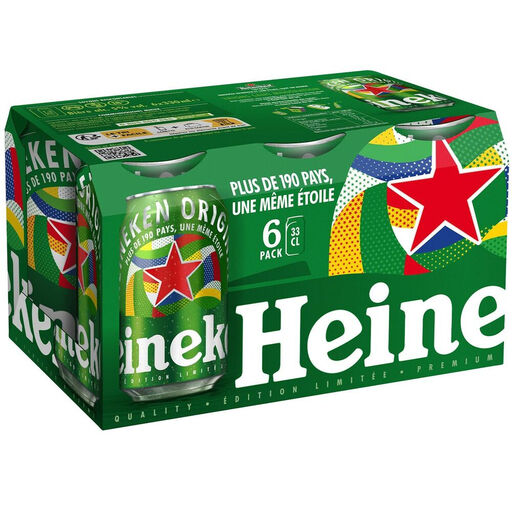
Why this choice suits this profile: With its six 33 cl bottles and 5% vol., this pack is a simple choice for an aperitif or a no-fuss meal.
The alcohol content and total volume are clearly stated: it’s hard to get the quantity or strength level wrong.
A 1.98 litre pack, 5% vol. and a blonde pils profile with balanced bitterness.
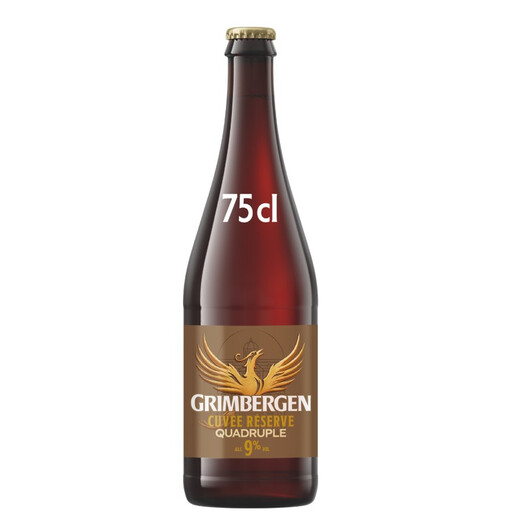
Why this choice suits this profile: Its 75 cl format and floral, resinous notes make it a great companion for a spicy meal or a quiet tasting session.
The mention of triple hopping comes with a 7.8% vol. strength and a sufficiently precise aromatic description.
A 75 cl bottle, a stated assertive bitterness and pairings with grilled meats, strong cheeses or spicy dishes.
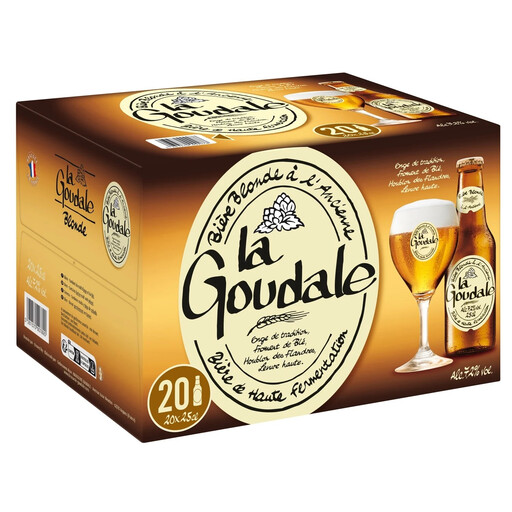
Why this choice suits this profile: The 20 bottles of 25 cl are easy to hand out at a family meal, party or event with lots of guests.
The small volume of each bottle avoids opening a large one for a single person, while the 7.2% vol. strength remains clearly displayed.
A pack of 20 × 25 cl, barley malt and wheat, stated top fermentation and a dense profile with a lingering finish.
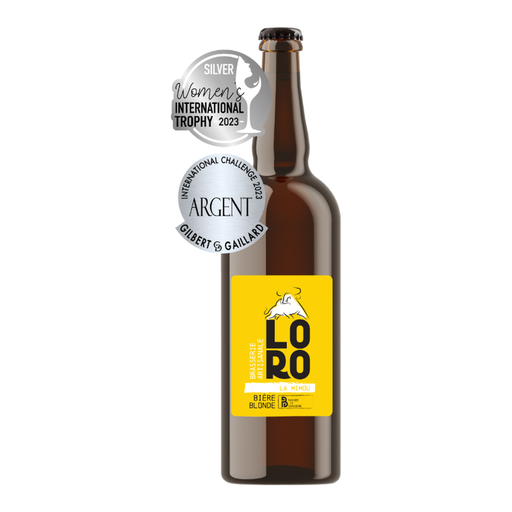
Why this choice suits this profile: This Burgundy beer at 5.5% vol. offers a first taste of the French brewing scene, with hoppy, fruity and herbal notes.
The ingredients, Burgundy origin and alcohol content are stated: the product doesn’t rely solely on a marketing promise.
A 75 cl format, simple ingredients and a profile described as fruity, herbal and hoppy.
Find a complete, up-to-date selection of products that meet these criteria, in compliance with European safety regulations.
The colour alone isn’t enough to tell the difference. Instead, look at the type of fermentation, the ingredients, the brewery’s origin, the alcohol content and the aromatic description. A craft blonde beer can be light and refreshing, very hoppy or particularly strong.
Start by following the instructions on the bottle. In practice, many blondes are served chilled, between 5 and 8 °C. However, a more aromatic tasting beer can be served slightly less cold to let its malt, fruit or hop notes express themselves better.
Store it in a dry, cool place away from direct light. Check the date on the packaging and avoid major temperature changes. An opened bottle should be drunk quickly: it doesn’t keep like an unopened one.
These alcoholic drinks are for adults only. The sale or supply of alcohol to anyone under 18 is prohibited. Alcohol should be consumed in moderation and is not recommended during pregnancy.