
Livraison le jour même ou le lendemain

Qualité garantie

Débloquez vos offres de bienvenue: Livraison GRATUITE | Jusqu'à -80 % | 30 jours d'essai gratuits à JoyPlus
Téléchargez l'application
The world of craft beer online is as exciting as it is confusing. Faced with an overwhelming selection, how can you tell a real gem from a mere marketing disappointment? Too many enthusiasts end up with bottles that don't meet their expectations, falling victim to a few common pitfalls. This guide is here to give you clear benchmarks, decipher labels, and help you make the right choice, whether you're looking for an explosive IPA or a delicately refreshing wheat beer.
Before you fill your cart, here are the three pitfalls to avoid at all costs:
To avoid these traps, you just need to master a few fundamentals. They will help you decode any label and find the beer that truly matches your tastes.
Rather than relying on vague adjectives, familiarise yourself with the major beer families. Each style has its own distinct taste characteristics.
Two acronyms are particularly useful for anticipating a beer's character:
Behind every craft beer is a brewery, with its own history and expertise. Taking an interest in the microbrewery that produces it is often the best guarantee of quality and authenticity. From Brittany to Corsica, through Lyon or the Hauts-de-France region, many French craft beers now rival each other in creativity. Knowing the brewery means understanding its philosophy and the signature that makes its beers unique.
To put theory into practice, here are a few gems that cater to distinct tasting profiles, selected according to the criteria we've just covered.
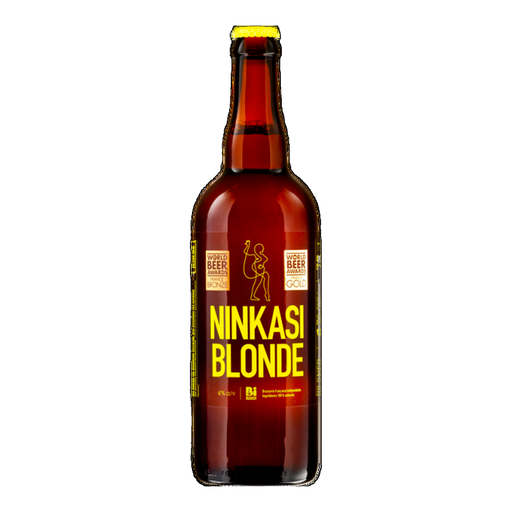
Why we chose it: Ideal for an introduction to the craft world without being overwhelmed by excessive bitterness or alcohol. It's the perfect gateway.
Its style (Blonde Ale) is clear, while its 4% ABV and low bitterness, both plainly stated, prevent any unpleasant surprises. All backed by a renowned French microbrewery.
A refreshing and highly approachable character, with subtle floral notes. Perfect for an aperitif or to accompany light dishes.
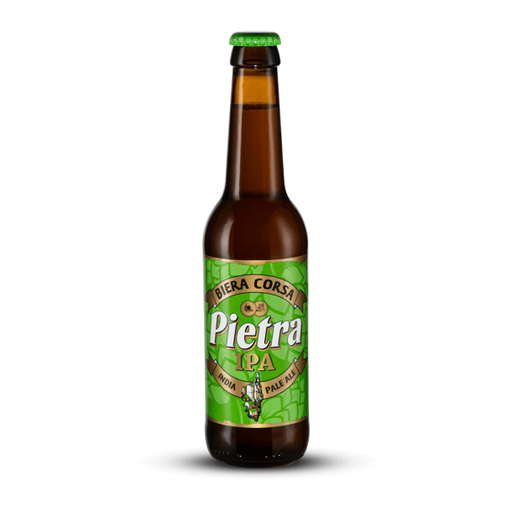
Why we chose it: For palates seeking the aromatic intensity and bitterness typical of a good IPA. A sensory journey to Corsica.
The description is precise: "double dry-hopped," Citra hops, aromas of passion fruit and mango. Its IBU of 40 signals a crisp but perfectly controlled bitterness.
An explosion of tropical and citrus flavours, with a well-struck balance between malt sweetness and hop bitterness.
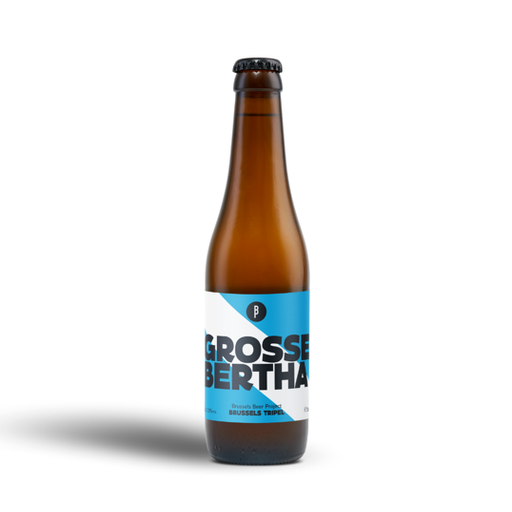
Why we chose it: For fans of characterful beers who appreciate the complexity and richness of classic styles. A powerful and aromatic Belgian-style ale, just the way we like them.
The "White Tripel / Imperial Wheat Beer" style is very specific. The classic aromas (banana, clove) are prominent, and its 7.5% ABV clearly announces its assertive character.
An unfiltered beer with a silky texture, offering a masterful balance between sweetness and bitterness, with great aromatic complexity.
Explore our full selection of craft beers, all chosen for their quality, authenticity, and respect for brewing expertise.
Most craft beers, especially hoppy ones like IPAs, should be stored in a cool, dark place. The refrigerator is the ideal spot to preserve the freshness of the aromas and slow down the aging process. For stronger, darker beers (Stouts, Quadrupels), a cool cellar can also work well.
The difference lies primarily in production volume, brewery independence, and the emphasis on quality ingredients and innovation. A microbrewery produces in limited quantities, allowing it to experiment with original recipes and premium ingredients, in contrast to standardised mass production.
The date shown is a best-before date (BBD), not a use-by date. A beer doesn't become "unfit" for consumption. However, its taste evolves. Hoppy beers (IPAs) are best enjoyed as fresh as possible to take advantage of their volatile aromas. Conversely, some strong, complex beers can improve with age, much like a fine wine.