
Livraison le jour même ou le lendemain

Qualité garantie

Débloquez vos offres de bienvenue: Livraison GRATUITE | Jusqu'à -80 % | 30 jours d'essai gratuits à JoyPlus
Téléchargez l'application
Buying a 75 cl craft beer lets you vary your enjoyment, pour several glasses at the table, or put together a gourmet gift. But this generous format doesn’t guarantee a suitable flavour profile or optimal storage. Between terms like “strong”, “premium”, “abbey” or “triple-hopped”, the label can sometimes say more through the vocabulary used than through genuinely useful information.
Before choosing a 75 cl blonde beer, a Belgian beer or a French beer, three pitfalls deserve your attention.
The percentage shown as % ABV gives you an immediate first reference. A wheat beer or blonde beer around 4 to 5.5% ABV will generally suit a sociable, relaxed occasion. An amber beer, an IPA or a strong beer between 6.5 and 9% ABV will often offer more presence on the palate.
The style then helps you refine your choice:
These categories remain general guidelines. For the exact composition, refer to the product page and the label.
The presence of barley malt, wheat or other gluten-containing cereals should be carefully checked by those affected. Some recipes also contain spices, honey, fruit concentrates or flavourings.
For example, the Grimbergen Cuvée Réserve Raspberry contains barley and wheat malt, as well as carrot concentrate, elderberry juice and a natural flavouring. The Ninkasi White also mentions the presence of gluten and sulphites. Always check the packaging on receipt, especially if you are looking for a vegetarian or vegan beer.
A 75 cl craft beer deserves to be served in an appropriate glass, after being chilled. The ideal temperature varies according to the recipe: blonde and wheat beers are often enjoyed chilled, while an amber or strong beer will reveal more of its aromas if not served too cold.
Store the bottle away from light, in a cool, dry place, respecting the date indicated on the packaging. Once opened, a 75 cl bottle is difficult to reseal perfectly airtight: it’s best to share it quickly.
The references below cater to different uses. The information regarding alcohol content, origin and ingredients is as communicated on the product pages.
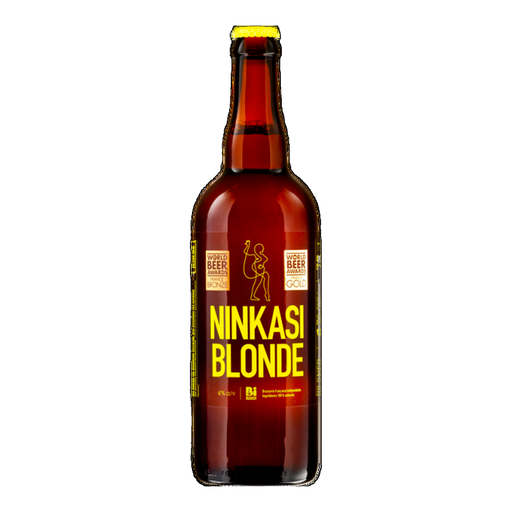
Why this choice suits this profile: With its 4% ABV and its stated very low bitterness, this French beer brewed in Lyon is perfect for discovering the 75 cl format or accompanying an aperitif.
Its clearly stated alcohol content prevents you from accidentally choosing a strong beer when you’re after a light profile.
37 kcal per 100 ml according to the product page, with barley malt, hops and yeast, plus a golden colour and subtle floral notes.
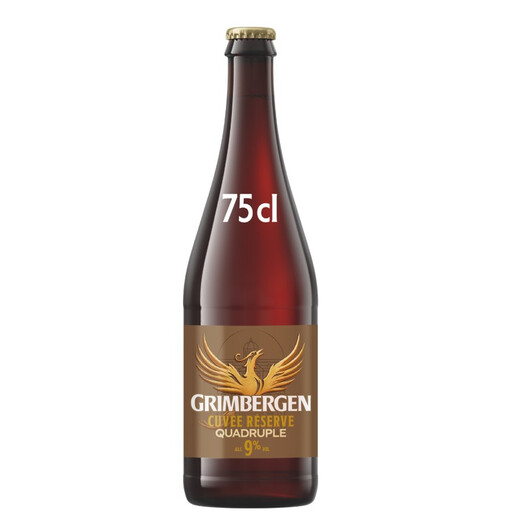
Why this choice suits this profile: Brewed in Alsace, this abbey beer with a rich profile lends itself to a quiet after-dinner drink or pairing with a characterful cheese.
The 9% ABV is displayed without ambiguity: you can adjust portions without underestimating its strength.
Stated notes of ripe fruit, spices, pineapple, liquorice and clove; contains barley and wheat malt.
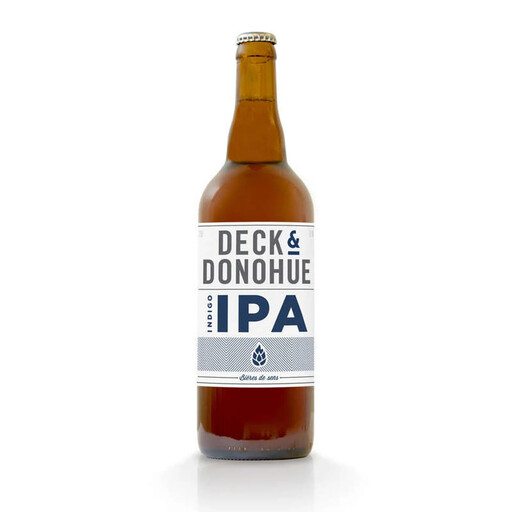
Why this choice suits this profile: Its well-structured bitterness and aromas of mango, passion fruit and citrus pair particularly well with spicy dishes, barbecue or a mature goat’s cheese.
The product page specifies the alcohol content, the IPA style, the organic ingredients and the presence of gluten.
6.5% ABV, 51 kcal per 100 ml according to the product page, with a dry finish and French origin, from Île-de-France.
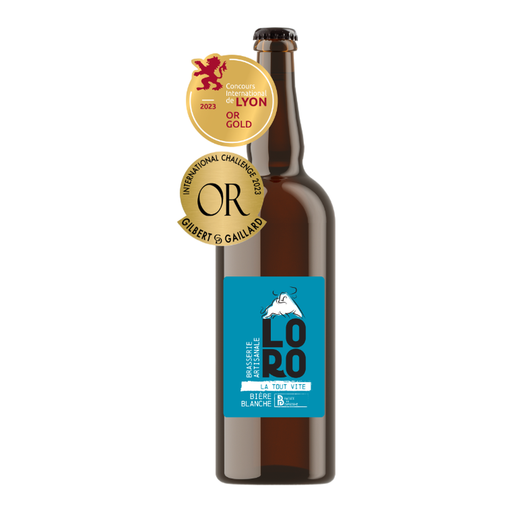
Why this choice suits this profile: This French wheat beer from Burgundy combines a base of barley and wheat malt with fruity, lemony and spicy aromas.
The product page details the allergenic cereals and the 5.2% ABV – two pieces of information to check before buying.
43 kcal per 100 ml according to the product page, ingredients suitable for a vegetarian diet and a recommended storage temperature between 0 and 22 °C.
We’ve put together a comprehensive selection, updated in real time, of products that meet these selection criteria as well as the requirements of European safety regulations.
It can be shared between two or three adults, depending on the size of the glasses and the alcohol content. A strong beer at 8 or 9% ABV is generally served in more modest portions. Consumption should remain for adults only and be enjoyed in moderation.
Start by following the manufacturer’s instructions. In practice, wheat beers are often enjoyed well chilled, while an IPA can reveal more of its aromas when not served too cold. Avoid the freezer: it risks altering the carbonation and aromatic sensations.
An open bottle should be consumed quickly, as the head and carbon dioxide dissipate. Before opening, keep it away from light and check the date on the packaging. If you’ve bought a beer gift set or several bottles, choose a stable, cool, dry place, then serve each reference according to its style.