Who are these biscuits for?
The best option depends mainly on the role you want the biscuit to play on your sharing board: a bite that’s already flavoured, a base for toppings or a product chosen to meet a dietary requirement.
For a ready-to-serve bite
If you’re not planning to serve a spread, a savoury cheese wafer already brings plenty of flavour. The Biscuitier des Flandres product featured by Carrefour contains cheddar, butter and egg, among other ingredients. Check that it’s suitable for your guests before serving.
For a board everyone can customise
If you’re serving salami alongside cheese or spreads, a plain cracker leaves more room for toppings. Auchan describes Heudebert Plain Crackers as suitable for spreading.
For a guest avoiding gluten
Look for a ‘gluten-free’ label on the specific product rather than relying on its main ingredient. The Nature Addicts plain rice crackers featured by Auchan carry this label, but contain milk and soya.
What should you look for?
First, decide whether the biscuit will be eaten as it is or topped. Then check any dietary requirements and the information on the packaging. A rice cracker, for example, isn’t automatically gluten-free or free from other allergens.
| What to consider |
What to check |
Who it matters to |
| Flavour of each bite |
The flavour described on the pack and any flavouring ingredients, especially cheese. |
If the biscuit is simply served with a slice of salami, I might want it to have plenty of flavour already. Around 40% of consumers would prefer this kind of flavoured bite. |
| A base for toppings |
Whether it’s suitable for spreads and comes in a convenient format for serving. |
When everyone is putting together their own bite with cheese or a spread, a milder cracker gives them more choice. This would be the priority for around 30% of consumers. |
| Allergens |
Look for a ‘gluten-free’ label if needed, then check the product for other allergens. |
If you’re serving someone who needs to avoid an ingredient, the biscuit’s suitability comes before its flavour. Around 20% of consumers would put this check first. |
| Labelling and storage |
Salt and fat per 100 g, as well as storage instructions. |
Before a get-together, I might want to compare two recipes and find out how to store the pack. Around 10% of consumers would consider checking the label their main priority. |
When comparing packs of different sizes, the nutritional information per 100 g gives you a common basis, as explained by the French Directorate-General for Competition, Consumer Affairs and Fraud Control (DGCCRF). The pack weight, meanwhile, tells you how much there is to serve.
Brands to know
These examples refer to specific products or ranges, not every recipe from each brand. Ingredients and allergens can vary from one product to another.
Biscuitier des Flandres
Carrefour features a Welsh-flavoured savoury wafer for a bite with a cheesy taste.
- A ready-flavoured option when you’re serving biscuits without a spread.
- The listed recipe includes wheat, milk and egg, among other ingredients. The product information also mentions possible traces of nuts.
Heudebert
The Plain Crackers featured by Auchan are designed, among other things, to be topped with a spread.
- The pack reviewed contains eight individual freshness sachets, which are handy for serving in portions.
- This recipe contains wheat and barley malt flour. The product information says it may contain milk.
Nature Addicts
Auchan features cheese-flavoured rice crackers labelled ‘gluten-free’.
- A product to consider when you need an option that’s explicitly labelled gluten-free.
- This recipe contains milk and soya, and the product information warns that it may contain traces of other allergens.
Tokapi
E.Leclerc’s Marque Repère range includes plain and cheese crackers, as well as other savoury biscuits to share.
- The range lets you choose between a milder biscuit and a flavoured option.
- Check the ingredients and allergens for each product rather than assuming they’re the same across the brand.
Crackers available on Joybuy
These savoury crackers are options for adding to a sharing board. Some have distinctive flavours, so check the exact recipe if you’re looking for a plain base or need to avoid an allergen.
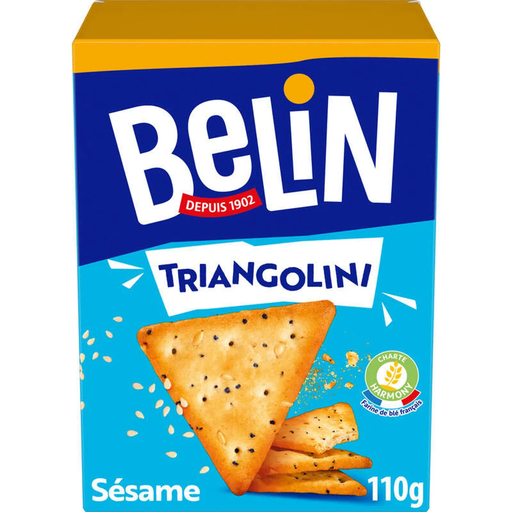 Image unavailable
Belin Sesame Triangolini, crackers 110 g
Worth considering if you’d like to add a cracker with sesame in its name to your board, rather than a plain biscuit. The pack is listed as 110 g. Check the ingredients and allergens for this product before serving it to guests with dietary requirements.
View on Joybuy
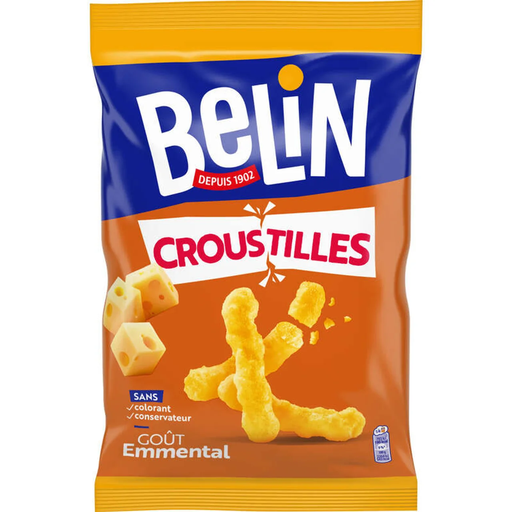 Image unavailable
Belin Gruyère Crustless, cheese crackers Family Pack 138 g
This product suits a selection where you’re looking for a biscuit with a cheesy flavour, rather than a plain base for spreads. The listed pack size is 138 g. If the type of cheese matters to you, check the ingredients list on the product you receive rather than relying on the name alone.
View on Joybuy
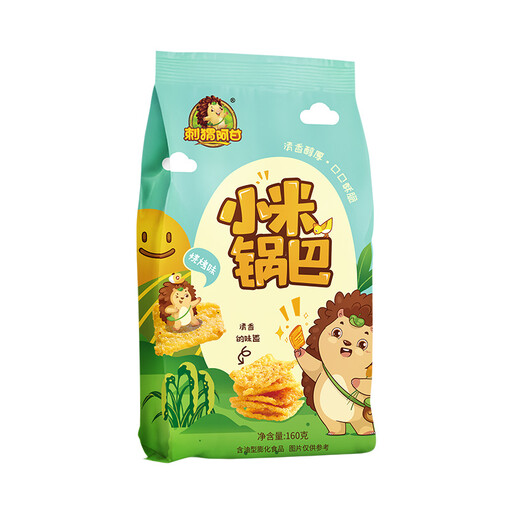 Image unavailable
Ciweiagan, barbecue-flavoured millet and rice crackers 160 g
Choose these as a flavoured option if barbecue is welcome among the nibbles you’re serving. The listed pack size is 160 g. The name doesn’t prove that the product is gluten-free, so check the label if this is important.
View on Joybuy
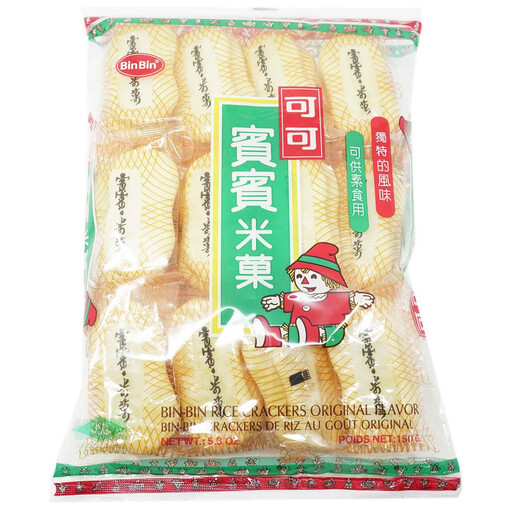 Image unavailable
Travel Cracker Nature Bin Bin Bottle 150 g
These rice crackers could round out your selection of savoury biscuits for the board. The listed pack size is 150 g. Don’t assume that ‘Nature’ means a mild flavour or a recipe suitable for a dietary restriction: check the ingredients list and allergen information.
View on Joybuy
Frequently asked questions
Does a savoury wafer described as ‘digestive’ help with digestion?
The term ‘digestive’ alone doesn’t prove that a savoury wafer or cracker has this effect. To serve with salami, choose a biscuit based on its flavour, how well it works with your toppings and the information on its packaging, rather than assuming it offers a health benefit.
What should you check if a guest needs to avoid an allergen?
Check the ingredients and allergen information for the exact product, including any warnings about traces if they’re relevant to your guest. In France, the DGCCRF says that allergenic ingredients must be highlighted in the ingredients list. A ‘gluten-free’ label alone won’t tell you whether a product contains milk or soya.
How can you compare two packs of crackers in different sizes?
Compare their nutritional information on the same basis, per 100 g, paying particular attention to salt and fat if these matter to you. The DGCCRF says that presenting information per 100 g makes it easier to read the nutrition declaration. Separately, check the pack weight against how much you want to serve.
Should you avoid crackers as soon as their date has passed?
First check whether the pack shows a best-before date, labelled ‘best before’, or a use-by date, labelled ‘use by’. The French Ministry of the Economy explains that passing a best-before date alone doesn’t mean the product has to be discarded. Also consider the condition of the pack and the storage instructions.


