What should you compare?
For a shared box, start with the main priority for the people who will be eating them: sugar content, allergens, flavour or nutritional profile. Then compare the nutritional values on the same per-100 g basis, as recommended by the DGCCRF for prepacked foods.
| Criteria |
What to check |
Who is it for? |
| Declared sugars |
Compare ‘of which sugars’ per 100 g; check separately whether the packaging carries a ‘reduced sugars’ claim. |
If I’m mainly looking for a low figure for the office box, I want to be able to compare two packs on the same basis. Around 43% of consumers put sugar content first. |
| Gluten and allergens |
Read the allergen list and any warnings about traces; check for a ‘gluten-free’ statement if needed. |
For a shared box, I need to identify any ingredients to avoid before serving the crackers. Checking for gluten and other allergens is a priority for around 14% of consumers. |
| Flavour and salt |
Choose between plain and flavoured to suit the planned toppings, then compare the salt content per 100 g. |
If I’m offering different toppings at the office, I prefer a flavour that won’t overpower them. Versatility comes first for around 29% of consumers. |
| Fibre and recipe |
Check the fibre, fat and salt per 100 g, as well as the cereals and seeds used. |
If I prefer a seed-based recipe, I want to know what it contains beyond its sugar content. Fibre and texture come first for around 14% of consumers. |
Brands to consider
These products illustrate different options for an office box; a brand’s inclusion here doesn’t mean all its products have the same composition.
Nature Addicts
The salt and vinegar Rice Crackers listed by Auchan are worth considering if you’re looking for a rice cracker labelled ‘gluten-free’.
- The listing shows 0 g of sugars and 0.89 g of salt per 100 g.
- The salt and vinegar flavour may not work as well with a variety of toppings; the listing also warns of several possible allergen traces.
AUCHAN
The 250 g plain crackers are a wheat option to consider if you’re serving a range of toppings.
- Auchan’s listing shows 2.3 g of sugars and 1.2 g of salt per 100 g.
- They contain wheat and barley; possible traces of soya, mustard, sesame and other gluten-containing cereals are also listed.
Epi d’Or
The 250 g plain crackers listed by E.Leclerc offer another option to compare as a base for toppings.
- The listing shows 2.4 g of sugars and 1.4 g of salt per 100 g.
- The recipe contains wheat, so check the ingredients if the box is for people who need to avoid gluten.
Bio Village
The spelt and three-seed option listed by E.Leclerc lets you explore a seeded recipe rather than plain crackers.
- The listing shows 9.3 g of fibre and 2.3 g of sugars per 100 g.
- It also shows 21 g of fat and 1.9 g of salt per 100 g, and contains gluten-containing cereals and sesame, among other ingredients.
Cracotte
The Céréales Complètes product listed by Carrefour is a crispbread, not an appetiser cracker in the same category.
- It’s worth considering if you’d also like to compare crispbreads to serve with toppings.
- Its ingredient list includes sugar, whey and several cereals; check the label if these ingredients matter to your choice.
A cracker option on Joybuy
If you’re happy to include a flavoured option in your office box, this selection features a wholegrain rice cracker with a pizza flavour. Before choosing it to share, compare its label with your requirements for sugars, salt and allergens.
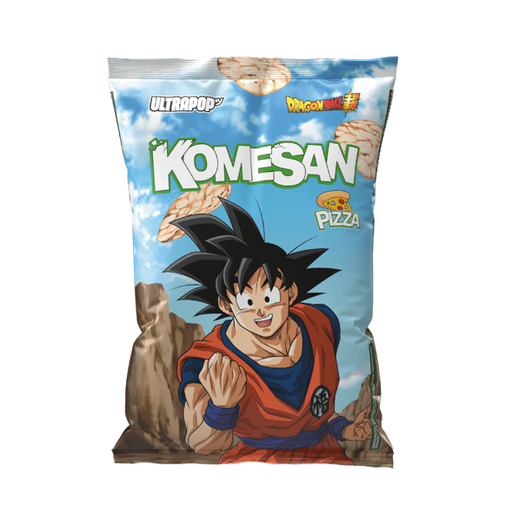 Image unavailable
ULTRAPOP wholegrain rice crackers, pizza flavour, 60 g
For the office box, choose this version if you’d like to offer a flavoured cracker rather than a plain one to top.
The pack contains 60 g of wholegrain rice crackers with a pizza flavour. Before sharing, check the packaging for sugars, salt, allergens and, if needed, a ‘gluten-free’ statement.
View on Joybuy
Frequently asked questions
Does a cracker with a low sugar content count as ‘reduced sugars’?
Not necessarily. According to the European regulation published on EUR-Lex, the ‘reduced sugars’ claim requires a reduction of at least 30% compared with a similar product. The ‘of which sugars’ line lets you compare amounts per 100 g, but on its own it doesn’t prove that this reduction has been made.
How do you choose crackers for a shared office box?
First, check the allergens and any warnings about traces on the pack you’ll be serving. The Auchan and Epi d’Or plain wheat crackers reviewed contain gluten-containing cereals; the Nature Addicts rice cracker, described as gluten-free, may still contain traces of other allergens. Keep the packaging accessible to anyone helping themselves.
Why should you also read the ingredients list?
Alongside the nutritional values, it helps you identify the recipe and any ingredients to consider when sharing. For example, Carrefour’s listing for Cracotte Céréales Complètes crispbreads mentions sugar and whey. However, these are crispbreads, not appetiser crackers.
Is Nutri-Score enough to find a cracker with less sugar?
No. To compare sugar content accurately, check the ‘of which sugars’ line per 100 g. The DGCCRF describes Nutri-Score as a voluntary label, so check the other details that matter for your box separately, including salt, ingredients and allergens.


