
Livraison le jour même ou le lendemain

Qualité garantie

Débloquez vos offres de bienvenue: Livraison GRATUITE | Jusqu'à -80 % | 30 jours d'essai gratuits à JoyPlus
Téléchargez l'application
Is your car key unresponsive?? Your AirTag reporting a low battery?? Your smart scale on strike?? The culprit is almost always the same: a dead CR2032 coin battery. Replacing it seems like child's play, but be warned: the jungle of product codes can quickly turn this simple purchase into a real headache.
As a product expert at Joybuy, my mission is to help you see things more clearly. Let's forget the marketing jargon and get straight to the point. Here are the three classic mistakes to avoid and the criteria that truly matter to make the right choice.
To ensure you never make a mistake again, a few simple checks are all it takes. They are your guarantee of compatibility, safety, and performance.
This code isn't some obscure marketing reference, but an international standard that describes the battery's characteristics. Understanding it is the first step to avoiding errors.
Now you can immediately see why a CR2025 (2.5?mm thick) cannot work in a device designed for a CR2032. The rule of thumb: always check the code engraved on your old battery or in the device's manual.
If young children live in or visit your home, safety must be your top priority. Reputable manufacturers have developed technologies to mitigate the risks. Look for these indicators:
A long shelf life (often 10 years) is a good indicator of quality. It guarantees that the battery will be fully operational even after years in a drawer. This is a key point if you are buying a 4-pack of CR2032 batteries or more, so you always have a spare on hand for your car key battery or your electronic scale battery.
No endless lists here. We have selected specific models for clear needs, to guide you directly to the product that's right for you.
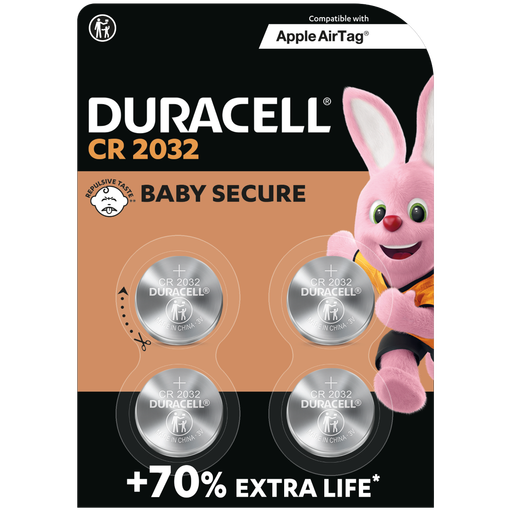
Why we chose it: For those juggling AirTags, smart thermometers, or electronic toys. Here, child safety is the number one priority, without sacrificing reliability for everyday items.
It checks all the safety boxes: tamper-proof double-blister packaging and a bitter coating (Bitrex technology) to discourage accidental ingestion.
Specially recommended for Apple AirTags. Guaranteed 10-year shelf life. The 4-pack is perfect for keeping spares on hand.
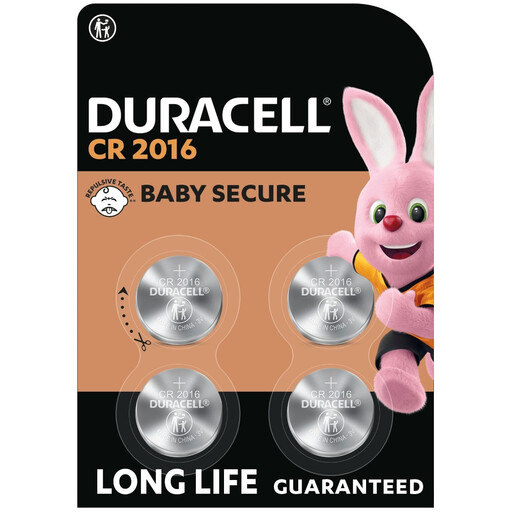
Why we chose it: For those with a multitude of devices with varied needs: watches, gate remotes, bike sensors, etc. Paying close attention to the product code is crucial, as is the demand for quality and safety.
This choice perfectly illustrates the size pitfall. By opting for a CR2016, the user demonstrates they have correctly verified the required code, avoiding the most common mistake.
Also benefits from child safety technology with a bitter coating. Its long shelf life is an asset for building a small stock of replacement batteries.
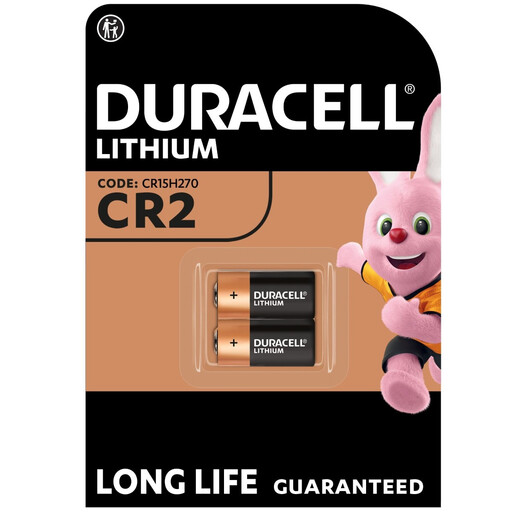
Why we chose it: To power devices that are more energy-demanding than a simple remote control: motion detectors, compact cameras, smart locks, etc.
It avoids the pitfall of underperformance. Where a standard coin battery would be depleted in record time, this model is designed for high-drain devices.
Engineered for maximum power and a wide temperature range. Advanced leak protection to safeguard your most expensive devices.
Whether it's for a car key, a GPS tracker, or a battery-powered digital clock, choosing the right power source is key to ensuring the proper functioning and lifespan of your devices.
We have put together a complete selection of products that meet our selection criteria and current safety standards.
On average, a CR2032 battery in an Apple AirTag lasts between 8 and 12 months. The actual battery life depends on your usage, particularly how often you use the sound locator feature. Your iPhone will send you a notification when the battery is getting low, giving you plenty of time to change it.
No, that's a very bad idea. Although they have the same diameter (20?mm) and voltage (3?V), the CR2025 is much thinner (2.5?mm vs. 3.2?mm). This difference in thickness will create a poor connection in the battery compartment, leading to malfunctions or even complete failure. Always stick to the exact reference recommended by the manufacturer.
To keep them charged for as long as possible, store them in their original packaging in a cool, dry place, away from direct sunlight. Avoid extreme temperatures and don't just toss them loose in a drawer: contact with metal objects (keys, coins) could create a short circuit and drain their energy.