Parents who want to control the seasoning
You’d rather start with plain couscous and add your own herbs, spices and, if you wish, salt, instead of using a mix that already contains stock.


To keep track of the salt in a family meal, choose plain couscous with its salt content clearly stated, then decide for yourself how to season and serve it. A pre-seasoned mix or ready meal can make mealtimes easier, but check the ingredients and how much you eat: the per-100 g value for dry couscous cannot be directly compared with that of a ready meal.
You’d rather start with plain couscous and add your own herbs, spices and, if you wish, salt, instead of using a mix that already contains stock.
You’re looking for a simple base that’s easy to portion alongside the rest of the meal, without necessarily choosing pre-seasoned couscous or a ready meal.
You want to start with a shared base, then adapt your child’s portion to suit their age and the texture they can manage. Manger Bouger recommends not adding salt to food served to children under one.
First, distinguish plain couscous from a seasoned mix or a ready meal. Then choose a format that suits how you want to prepare it. If you’re sharing the meal with a young child, set aside their portion before seasoning the adults’ food.
| Criteria | What to check | Who it’s for |
|---|---|---|
| Salt in the meal | The ‘salt’ entry per 100 g and whether stock or seasoning is included in the ingredients. | If I want to decide how to season the meal, I prefer a plain base and also take the sauce and toppings into account. Around 50% of consumers put this control over salt at the heart of their choice. |
| Speed and portions | The format, including the number and weight of sachets, as well as the preparation instructions. | When time is short, I look for a base that’s easy to portion without switching to a pre-seasoned mix. Around 33% of consumers would make ease of preparation their top priority. |
| Child’s portion | The child’s age and suitable texture, as well as the wheat and gluten information for the product you choose. | If I’m sharing a family meal with a young child, I want to be able to set aside their portion before seasoning the rest. Around 17% of consumers prioritise adapting the meal in this way. |
Seasoned mixes may already contain salt in the stock, while ready meals may contain it in other ingredients. E.Leclerc product listings for medium couscous and Comptoir du Grain couscous with mild spices state 0.0 g and 1.3 g of salt per 100 g respectively.
Read the ingredients list for the product you’re considering, then check its ‘salt’ entry before deciding what seasoning to add.
Their per-100 g values describe different types of product: a ready meal contains water and other ingredients, among other things. The portion you serve matters too.
Start by comparing like with like, then consider the portion you eat and any sauces or toppings you add.
Salt content alone doesn’t answer questions about age, texture or ingredients. The durum wheat couscous products mentioned here contain gluten.
According to Manger Bouger, food served to a child under one should not be salted. Set aside their portion before seasoning the family meal, and prepare it in a way that’s suitable for their age.
The brand offers plain couscous in cooking sachets, as well as flavoured varieties. A convenient format alone doesn’t tell you how much salt a particular product contains.
Two products listed by E.Leclerc let you compare plain couscous with a mild-spice variety that contains stock.
Its 1 kg plain medium couscous is another option to consider if you plan to put the meal together yourself.
The 1 kg plain wholegrain couscous is another type of couscous to consider for a meal you’ll season at home.
These products let you put together a meal yourself using plain couscous, including pearl couscous. To choose according to your salt goals, check each product’s salt value and the ingredients you plan to add.
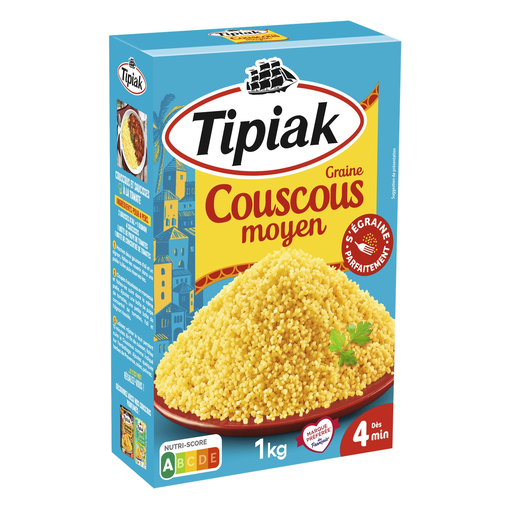 Image unavailable
This medium couscous lets you choose how to season the family meal.
1 kg pack. If you use stock when preparing it, remember to factor in its salt content.
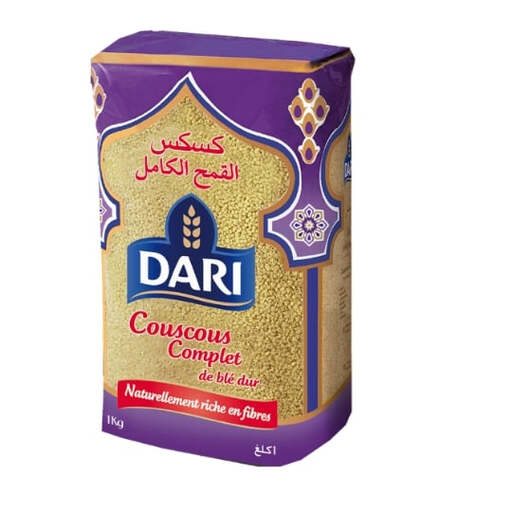 Image unavailable
This plain couscous is a good choice if you want to prepare the toppings and seasoning separately.
According to its Joybuy listing, it is made from 100% wholegrain durum wheat couscous and contains 0.02 g of salt and 9.9 g of fibre per 100 g. It contains gluten.
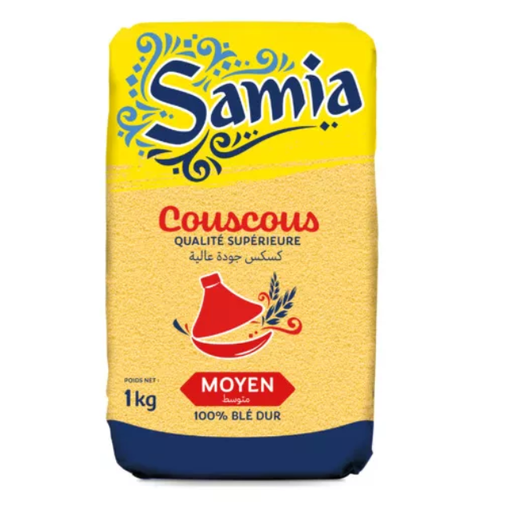 Image unavailable
This 1 kg pack of couscous can be used as the base for a meal with toppings of your choice.
Check the preparation instructions, salt value and information about wheat and allergens on the packaging.
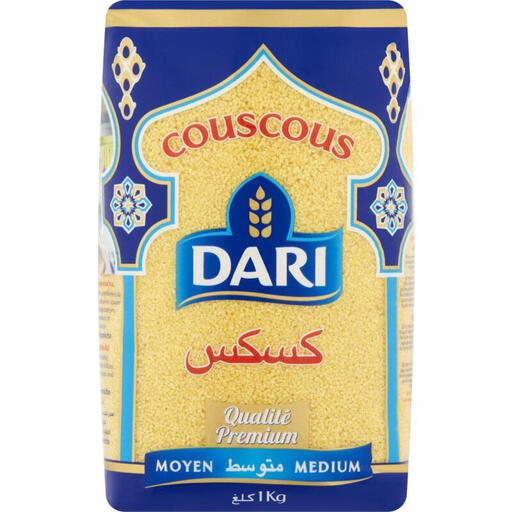 Image unavailable
This 1 kg pack of medium couscous lets you prepare the base before deciding how to season the dish.
To work out how much salt is in the meal, check the values for the stock and any sides you use too.
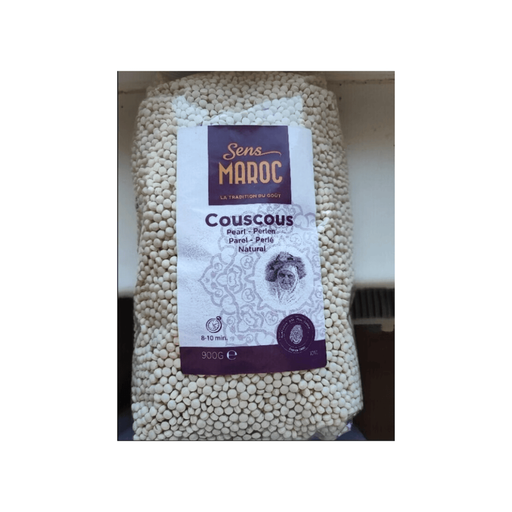 Image unavailable
This plain pearl couscous is worth considering if its shape suits the dish you’re preparing.
It comes in a 900 g pack. Check its ingredients and texture: it isn’t the same product as durum wheat couscous.
No. This value alone isn’t enough to support a ‘reduced salt’ claim. It shows the declared salt content for that specific product. If this claim matters to you, check the wording on the packaging rather than inferring it from the ‘salt’ entry alone.
You can consider using the same base, as long as the child’s portion is suitable for their age and is set aside before seasoning the adults’ food. Manger Bouger recommends not adding salt to food served to children under one. The texture and ingredients should also be suitable for the child.
The per-100 g value doesn’t necessarily reflect the amount you serve. Dry couscous and ready-to-eat couscous also differ in their ingredients and water content. Compare products of the same type, then take the portion and any accompaniments into account.
Check the ingredients list for wheat: the durum wheat couscous products mentioned here contain gluten. Also read any other allergen information on the packaging of the product you buy.