People keeping an eye on sugar values
You’re looking for a base for tabbouleh and comparing the ‘of which sugars’ value and ingredients, without treating a low nutritional value as equivalent to a ‘reduced in sugars’ claim.


For tabbouleh to take to the park, first choose a couscous whose ‘of which sugars’ value and ingredients match your priorities, comparing products on the same 100 g basis. A low sugar value alone doesn’t mean a product can be labelled ‘reduced in sugars’; the preparation format, allergens and keeping perishable ingredients chilled matter too.
You’re looking for a base for tabbouleh and comparing the ‘of which sugars’ value and ingredients, without treating a low nutritional value as equivalent to a ‘reduced in sugars’ claim.
You want to serve cold couscous at the park and choose a preparation method that suits the time you have. The seasoning is also worth considering when choosing between plain couscous and a flavoured mix.
Check the ingredients and precautionary ‘may contain’ statements on the exact pack you’re buying: the wheat couscous products mentioned here contain gluten, and the listed traces vary by product.
For a salad to take away, first compare the nutritional information of similar products, then check how to prepare them and what ingredients you plan to add.
| Criteria | What to check | Who is it for? |
|---|---|---|
| Sugar values | Compare ‘of which sugars’ per 100 g across similar dried couscous products, then check the ingredients in any seasoning. | If I’m making my own tabbouleh, I want to choose a base based on its sugar value and stay in control of the recipe; around 42% of consumers put this first. |
| Preparation and transport | Check whether it can be used in a cold salad and how to prepare it; plan to keep it chilled if you’re adding perishable ingredients. | Before heading to the park, I look for a simple preparation method and a suitable way to transport my salad; convenience would be the main priority for around 33% of consumers. |
| Ingredients and allergens | Check for wheat, gluten and any relevant ‘may contain’ statements; compare fibre per 100 g if this matters to you. | If I’m sharing the salad, I need to know exactly what’s in it and which allergens it contains; around 25% of consumers would put ingredients first. |
The ‘of which sugars’ value lets you compare products on the same basis, but on its own it isn’t enough to establish that a product can carry a ‘reduced in sugars’ claim.
To make your choice, note the value per 100 g on each pack. Only use the claim if it appears on the product in question.
The product information for Auchan flavoured couscous lists ingredients including oil, salt and sugar, so it isn’t the same as a simple plain couscous base.
Compare the ingredients lists before deciding whether you’d prefer seasoning that’s already included or a recipe you prepare yourself.
The wheat couscous products mentioned contain gluten. Carrefour’s product information for Tipiak medium couscous also warns that it may contain traces of soya, mustard, lupin, celery and nuts.
If an allergen is a concern for you, check the ingredients list and ‘may contain’ statements on the exact pack.
According to Anses, keeping food at a low temperature slows the growth of micro-organisms and reduces the risk of foodborne illness.
If your salad contains perishable ingredients, plan how to chill and transport them, for example in an insulated bag, and limit the time they spend at room temperature.
The range mentioned includes medium couscous and a boil-in-the-bag format that can be used as a base for tabbouleh.
At E.Leclerc, this brand offers a 500 g pack of organic semi-wholegrain couscous to compare as a plain base.
Carrefour describes its 250 g pack of VRACBIO organic semi-wholegrain couscous as suitable for serving cold in a salad.
Auchan describes its 500 g pack of organic semi-wholegrain couscous as suitable for fresh tabbouleh.
Dari wholewheat couscous in a 1 kg pack is another durum wheat product whose nutritional values you can compare.
This selection includes wheat couscous products to consider as salad bases, alongside a konjac and oat alternative. When comparing sugar values, remember that dried couscous is different from a product that already contains water.
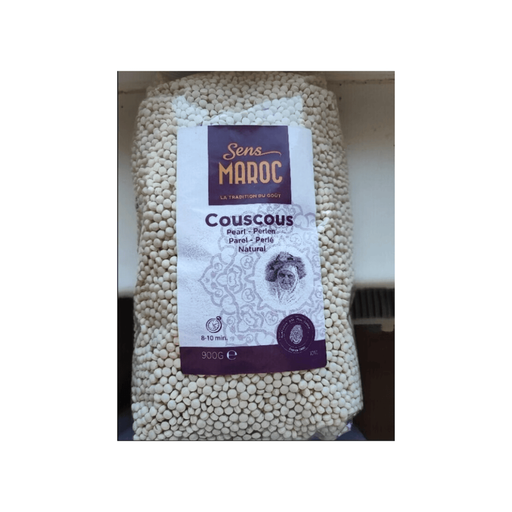 Image unavailable
Worth considering if you’d like to make a cold salad with pearl couscous rather than traditional couscous. Bear in mind the difference in shape, and check the label if wheat or gluten is a concern for you.
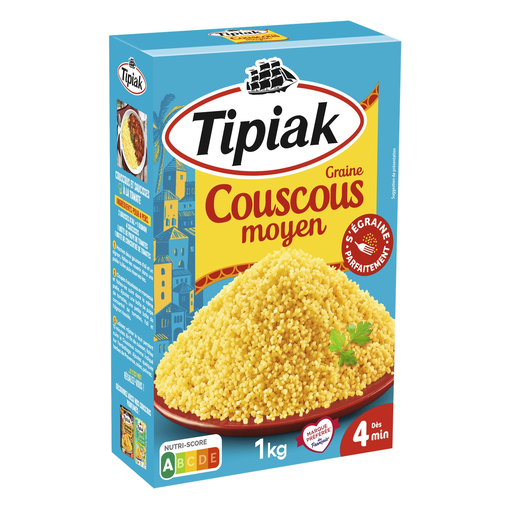 Image unavailable
A medium couscous base for making tabbouleh, with the seasoning left up to you. Joybuy’s product information lists 3.4 g of sugars per 100 g for this product; also check the pack for gluten and allergen trace statements.
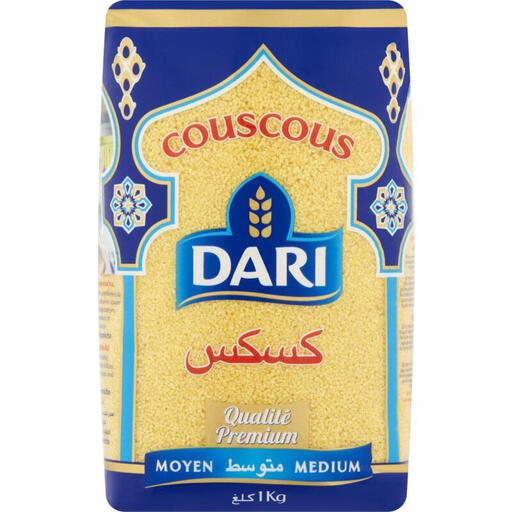 Image unavailable
Worth considering for a medium couscous salad, seasoned to suit your recipe. Before buying, check the nutritional information for this product, along with the details on wheat and gluten.
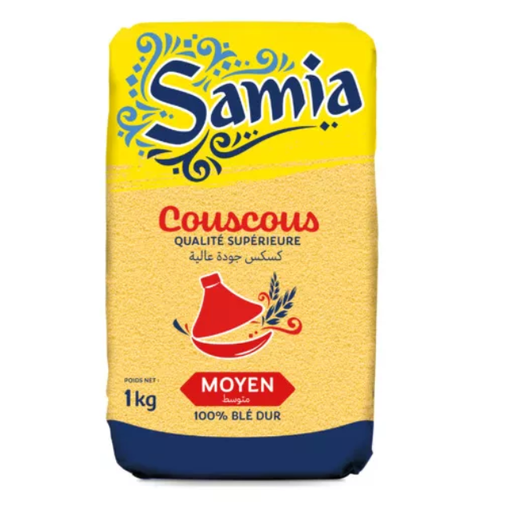 Image unavailable
An option to look at if you prefer to season your couscous base yourself. Check the preparation instructions before planning a cold salad, and read the allergen information on the pack.
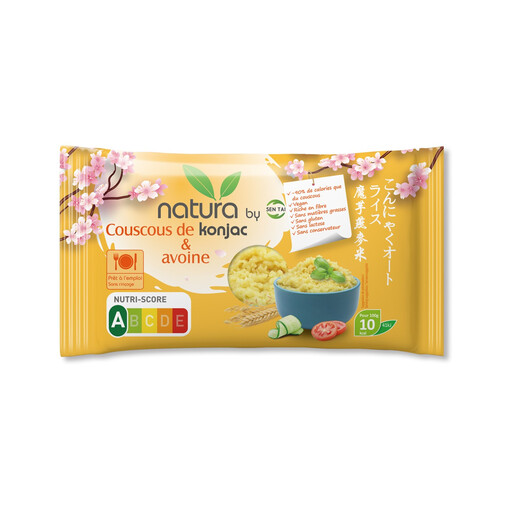 Image unavailable
Worth considering for a salad if you’re looking for an alternative to traditional wheat couscous. This product already contains water, so don’t compare its sugar value per 100 g directly with that of dried couscous. Follow the storage instructions after opening.
No, these phrases refer to different things: ‘of which sugars’ is a nutritional value, while ‘reduced in sugars’ is a claim governed by the European regulation on nutrition claims. Compare values per 100 g for equivalent products, without applying the claim to a product whose packaging doesn’t carry it.
No: the wheat couscous products mentioned, including Tipiak and VRACBIO, contain gluten. If you need to avoid gluten, look for a different product category that is explicitly labelled accordingly, and check the pack of the product you buy.
Plan to keep the salad chilled if it contains perishable ingredients. Anses notes that low temperatures slow the growth of micro-organisms: chill these ingredients, use an insulated bag and limit how long they’re left at room temperature.
It saves you from preparing some of the seasoning, but gives you less control over the ingredients that have already been added. Auchan’s product information for its flavoured couscous lists ingredients including oil, salt and sugar; check the ingredients before choosing it over plain couscous.