Those keeping an eye on the salt in their whole meal
Plain couscous lets you choose the seasoning, but remember to check the stock, sauces and tinned toppings too. Anses recommends reading labels and limiting added salt.


To keep the salt in check in couscous you’re taking to the park, start with plain couscous and choose the stock, sauce and toppings separately. Cooking-in-bag couscous can make preparation easier before you set off, but some instructions call for salted water. A ready-made meal saves you having to put everything together, but gives you less control over the seasoning. Compare the salt content of products in the same state, rather than comparing dry couscous with a ready-made meal.
Plain couscous lets you choose the seasoning, but remember to check the stock, sauces and tinned toppings too. Anses recommends reading labels and limiting added salt.
Cooking-in-bag couscous makes it easy to measure out portions by the bag. Even so, read the instructions before salting the water, and plan suitable transport if you’re adding perishable ingredients.
A ready-made couscous meal saves you cooking the couscous and preparing the toppings separately. However, the recipe determines the seasoning, so check the nutritional information for the exact product and the portion you plan to take with you.
First decide whether you want to put the meal together yourself or take a complete dish with you. If you’re choosing couscous to prepare, check the cooking instructions and the ingredients you plan to add.
| Criterion | What to check | Who it matters to |
|---|---|---|
| Salt in the meal | The ‘salt’ value per 100 g, the state of the product, and any stock or toppings you add. | If I’m putting together a salad, I want to be able to choose the seasoning for the whole meal, not just the couscous. Around 42% of consumers would prioritise having this control over salt. |
| Preparation | The cooking method, the number of bags, and any instructions to salt the water. | Before heading to the park, I’m looking for quick preparation and easy-to-measure portions. Around 33% of consumers would put this convenience first. |
| Complete meal | The salt content of the exact dish, its portion size and its storage instructions. | If I don’t want to cook the couscous or prepare toppings, I’d rather take a meal that’s already assembled. Around 25% of consumers would prioritise this simplicity. |
Stock, sauces, condiments or tinned toppings can all affect the salt content of the couscous you serve. Some cooking instructions also call for salted water.
Choose your additions separately and read the instructions before seasoning. Anses recommends checking labels and taking account of any salt added during preparation.
A value per 100 g of dry couscous and one per 100 g of a ready-made dish don’t describe the same product as eaten. For example, E.Leclerc lists 0.7 g of salt per 100 g of uncooked product for its Côté Table chicken and merguez couscous; this figure doesn’t apply to other couscous dishes.
First compare products in the same state, then take account of the portion served and the ingredients added to your recipe.
The value shown on a label and a reduced-salt claim answer two different questions. Nutrition claims are governed by European Union Regulation (EC) No 1924/2006.
If you’re looking for couscous described as ‘reduced salt’, check that the claim applies to the product or that there’s a documented comparison with a similar food.
The wheat-based couscous products mentioned here contain gluten; other allergens may also be listed, depending on the product. Perishable ingredients added to a salad also need to be stored appropriately.
Read the label on the pack you choose and follow the storage instructions for your ingredients. For anything that needs to stay chilled, use transport that maintains the cold chain, as recommended by the Ministry of Agriculture.
The range mentioned includes medium couscous, cooking-in-bag couscous and pearl couscous, so check the exact product before choosing how to prepare it.
The product mentioned is a fluffy couscous sold in five 100 g cooking bags.
This Marque Repère brand offers, among other products, a 1 kg pack of medium couscous.
The product mentioned is a 1 kg pack of Moroccan medium couscous, to prepare and season separately.
These products let you prepare a couscous base to top and season yourself before your picnic. Choose your preferred grain size and pack size, then check the nutritional information and instructions for the exact pack. This selection doesn’t include complete, ready-to-eat meals.
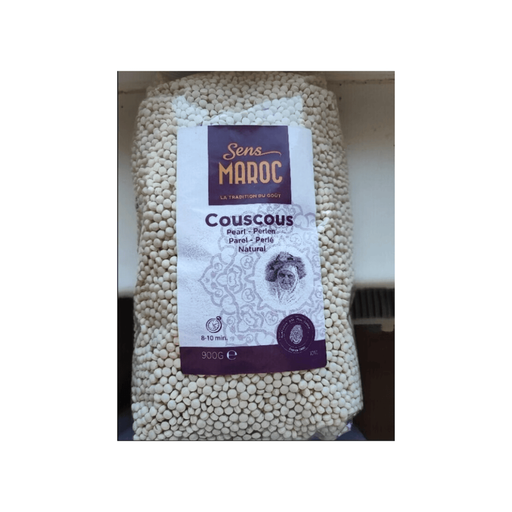 Image unavailable
Worth considering if you’d like to prepare pearl couscous to top for your picnic. The pack contains 900 g; check the instructions and any ingredients you add before serving it cold.
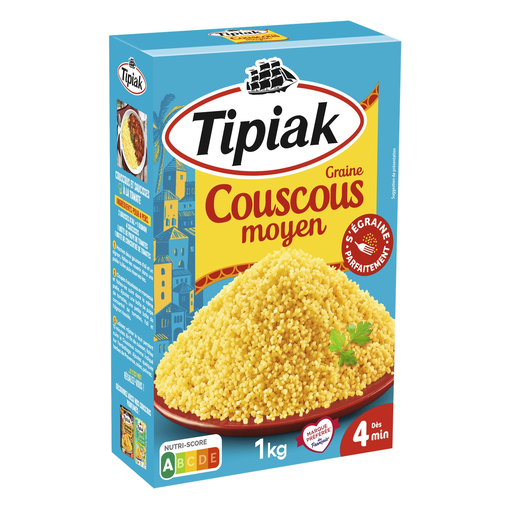 Image unavailable
A base to season separately if you’re preparing your meal before you set off. The Joybuy product listing states that it contains 100% durum wheat semolina and 0 g of salt per 100 g; it suggests adding boiling water or stock. The product contains gluten.
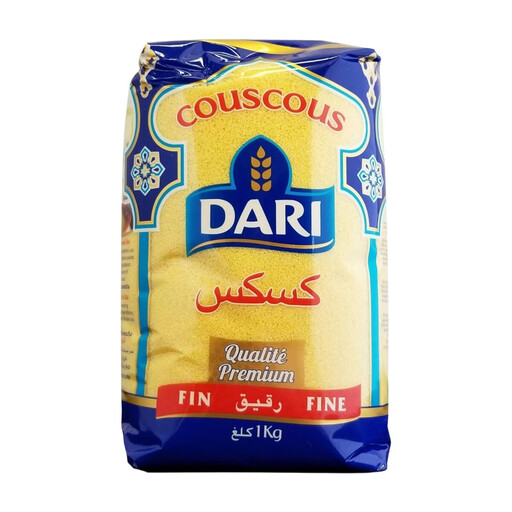 Image unavailable
Worth considering if you’d like fine couscous to prepare before setting off and top yourself. The pack contains 1 kg; follow its preparation instructions and check the seasoning of your recipe separately.
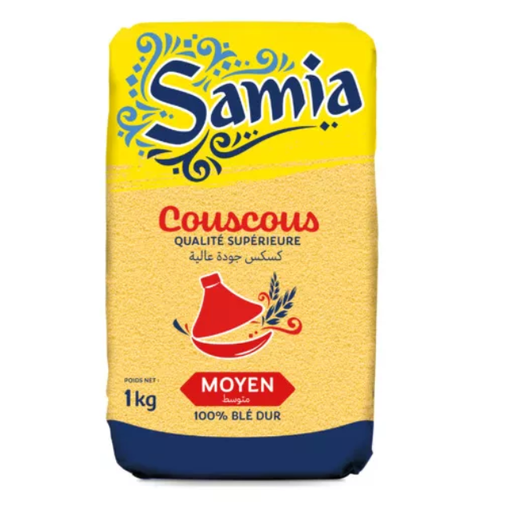 Image unavailable
A 1 kg option that lets you choose your own picnic toppings and seasoning. Read the nutritional information and instructions on the pack before preparing the portion you’re taking with you.
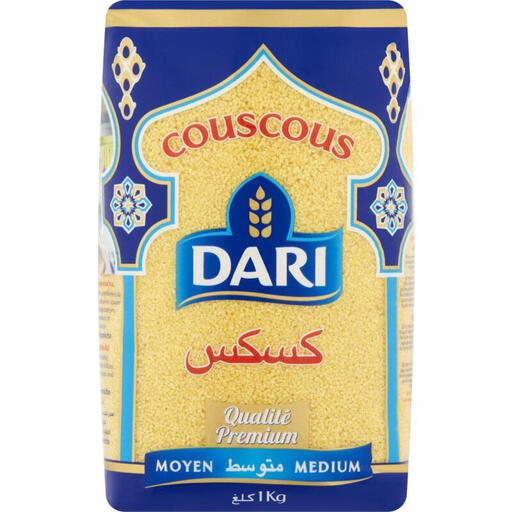 Image unavailable
A medium couscous base to prepare and season before your picnic. Joybuy lists 100% durum wheat semolina and 0.02 g of salt per 100 g for this 1 kg pack; it contains gluten.
No. A stated salt content of 0 g doesn’t, by itself, demonstrate a reduction compared with a similar food. Nutrition claims are governed by European Union Regulation (EC) No 1924/2006; check that the claim applies to the product before describing it this way.
Because stock, sauces, condiments and toppings can all add salt to the meal you serve. Anses recommends reading labels and limiting added salt; also check whether the couscous instructions call for salted water.
Yes, as long as you follow the storage instructions for each ingredient and maintain the cold chain for perishable items. The Ministry of Agriculture highlights the consumer’s role in maintaining the cold chain: use suitable transport if your recipe includes, for example, meat or dairy products that need to stay chilled.
The durum wheat semolina couscous mentioned here contains gluten. Check the label on the exact product, especially if you also need to be aware of other allergens listed on the pack.