For your Easter lunch, a low figure in the ‘of which sugars’ row isn’t enough to qualify a couscous as ‘reduced in sugars’. Plain couscous lets you choose what to add, while a seasoned version can make preparation easier. Compare products of the same type and check their labels. If you need to avoid gluten, look for a product explicitly labelled ‘gluten-free’.
Who are these options for?
People who put together their own couscous dish
If you’re preparing the couscous, vegetables and sauce separately for Easter, plain couscous lets you choose the seasonings yourself. Check the ingredients list and nutritional information on the pack you select.
People who want to serve food quickly
Couscous in cooking pouches or a pre-seasoned version can help when you need to prepare a meal quickly. However, the Auchan couscous flavoured with spices featured by the retailer contains several ingredients, so be sure to check the allergen information carefully.
People who need to avoid gluten
The plain Auchan Bio and E.Leclerc Eco+ products mentioned here are made from durum wheat. If gluten needs to be excluded, look for an explicit ‘gluten-free’ label on the product you choose, rather than relying on the word ‘couscous’ alone.
What should you look for first?
First, check your guests’ dietary requirements. Then choose between a base to season yourself and a ready-to-prepare recipe, and compare sugar levels on labels for products of the same type.
| Criteria |
What to check |
Who is it for? |
| Sugars and added ingredients |
Compare the ‘of which sugars’ figure per 100 g for products of the same type, then check their ingredients lists. A figure on its own doesn’t substantiate a ‘reduced in sugars’ claim. |
If I’m putting the meal together myself, I want to choose the ingredients in the couscous and side dishes; this would be the main priority for around 50% of consumers. |
| Preparation time |
Check the instructions, pouch format and portion sizes. For a seasoned version, also check the salt content and allergen information. |
When there are several dishes to prepare, I want to serve a side without adding extra steps; this would be the priority for around 33% of consumers. |
| Gluten and allergens |
Check which grain is used, look for a ‘gluten-free’ label if needed, and read the allergen information for the specific product. |
If a guest needs to avoid gluten, I must leave wheat couscous off the menu; around 17% of consumers would make this their top priority. |
Common mix-ups to avoid
-
Assuming a sugar figure means ‘reduced in sugars’
The ‘of which sugars’ row shows the sugar content, not a proven reduction. The French National Consumer Institute explains that it includes naturally occurring sugars as well as added sugars; nutrition claims are governed by European Union regulations.
Compare figures per 100 g for couscous products of the same type and check any claim on the packaging of the product in question.
-
Choosing a seasoned recipe without checking its ingredients
The couscous flavoured with spices featured by Auchan contains oil, salt and sugar, among other ingredients. Its curry contains mustard, and the product information notes that it may contain traces of soya, sesame and milk.
If you want to control how much spice and other ingredients you add, compare its ingredients with those of plain couscous before choosing.
-
Assuming all couscous is gluten-free
The plain Auchan Bio and E.Leclerc Eco+ couscous products mentioned here contain durum wheat semolina. Carrefour lists a maize couscous labelled ‘gluten-free’: this is a different product.
Check the label and all the allergen information on the pack you buy.
-
Comparing a prepared dish with dry couscous
The tinned couscous featured by ALDI includes chicken, merguez sausages and vegetables, while dry couscous is a base for a meal you put together yourself. They contain different ingredients and portions, and aren’t the same kind of choice.
Decide whether you’re looking for a grain-based staple or a prepared dish, then compare labels within the category you’ve chosen.
Brands to know
Tipiak
The ranges featured by Carrefour and Auchan include plain Tipiak couscous, cooking-pouch versions and couscous flavoured with spices.
- These formats give you the choice of a base to season yourself or a pouch preparation.
- Check the ingredients and nutritional information for each product: the format alone doesn’t mean it is ‘reduced in sugars’.
Carrefour
The Carrefour range includes plain, wholemeal and spiced couscous, as well as a maize product labelled ‘gluten-free’.
- The maize product is a specific option to look into if gluten needs to be avoided.
- Check the label, ingredients and nutritional information on the product you actually choose.
Auchan
Auchan features plain organic couscous and couscous flavoured with spices in cooking pouches.
- The product information for its plain organic couscous lists durum wheat semolina and 2.3 g of sugars per 100 g.
- The seasoned recipe listed by Auchan contains other ingredients and has 3.3 g of sugars and 1.2 g of salt per 100 g. These figures apply only to the products mentioned.
E.Leclerc
E.Leclerc product listings feature plain wheat couscous from Eco+ and Comptoir du Grain in 1 kg packs.
- Both listings state that these specific products contain durum wheat semolina and 2.3 g of sugars per 100 g.
- Wheat isn’t suitable if you need to exclude gluten; also check the product and its availability at the store concerned.
ALDI
The product featured by ALDI is a prepared tinned couscous dish with chicken, merguez sausages and vegetables, rather than dry couscous to customise.
- This format suits shoppers looking for a complete dish rather than a simple couscous base.
- To compare sugars or ingredients, compare it with other prepared dishes and read the label on the product you choose.
Couscous options to consider on Joybuy
These products include fine- or medium-grain couscous and pearl couscous. To put together your Easter lunch, first choose the grain type you want, then check the ingredients, sugars and allergens on each pack. None of the figures shown is enough on its own to substantiate a ‘reduced in sugars’ claim.
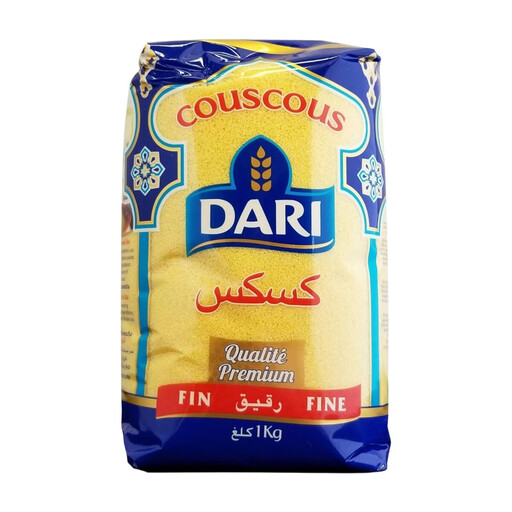 Image unavailable
DARI Fine Moroccan Couscous, 1 kg
Worth considering if you want to season the couscous yourself. This is described as a 1 kg pack of fine couscous; check its ingredients and nutritional information before comparing it with another semolina product.
View on Joybuy
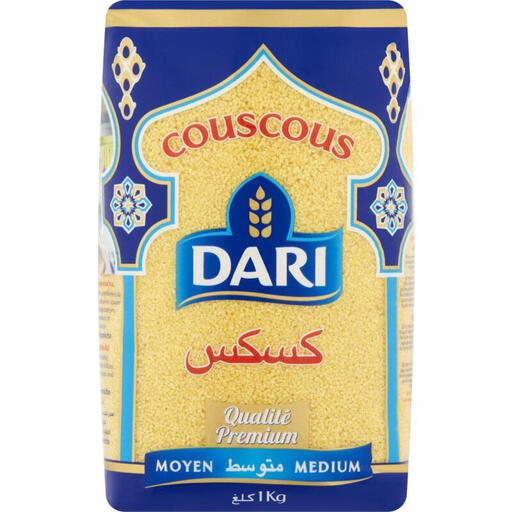 Image unavailable
DARI Medium Moroccan Couscous, 1 kg
Worth considering if you prefer medium-grain couscous for your meal. This 1 kg pack differs from DARI’s fine version in the grain size stated in its name; check the allergen information on the packaging.
View on Joybuy
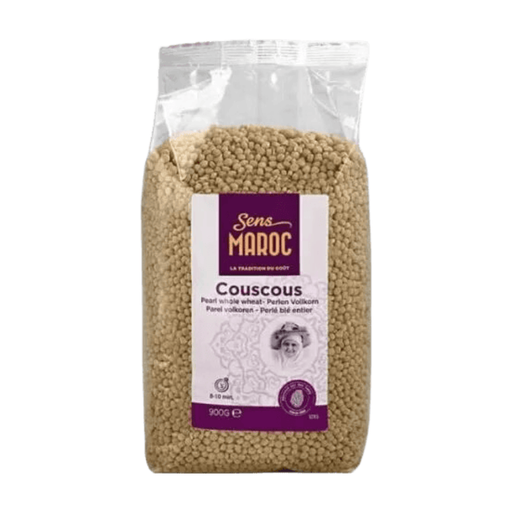 Image unavailable
Sens Maroc Tric. Pearl Couscous, 900 g
Worth considering if you’re looking for pearl couscous rather than fine- or medium-grain couscous. The pack is listed as 900 g; check its ingredients list and the basis for the nutritional information before making any comparisons.
View on Joybuy
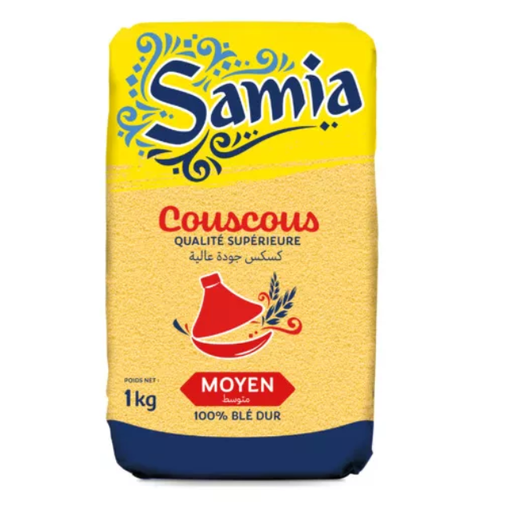 Image unavailable
SAMIA Moroccan Couscous, 1 kg
Worth a look if you want to make your own couscous dish for lunch. The listed pack size is 1 kg; check the pack for ingredients, allergens and preparation instructions.
View on Joybuy
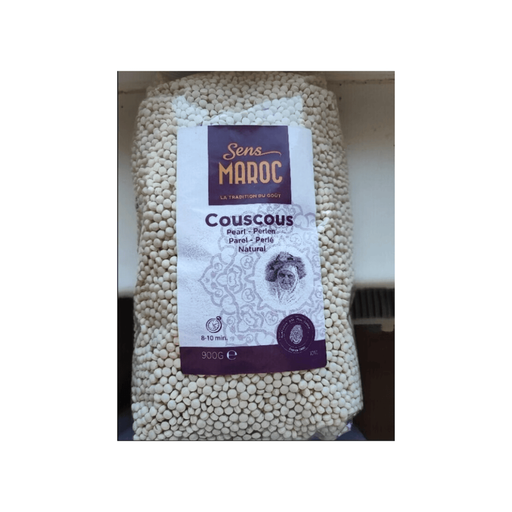 Image unavailable
Sens Maroc Plain Pearl Couscous, 900 g
Worth considering if you want pearl couscous described as plain. The pack is listed as 900 g; check the exact ingredients and compare its sugars per 100 g with those of other pearl couscous products.
View on Joybuy
Frequently asked questions
Is couscous with 2.3 g of sugars per 100 g necessarily ‘reduced in sugars’?
No. This figure alone doesn’t prove a reduction. According to the French National Consumer Institute, the ‘of which sugars’ row includes naturally occurring and added sugars; check any claim on the packaging and compare products of the same type.
Is traditional couscous gluten-free?
The Auchan Bio and E.Leclerc Eco+ couscous products mentioned here contain durum wheat semolina, so they aren’t suitable if you need to exclude gluten. Carrefour lists a maize couscous labelled ‘gluten-free’; check this label and the allergen information on the pack you buy.
How much couscous should I allow for Easter lunch?
For its medium-grain organic couscous, Auchan recommends 80 to 120 g per person when the couscous is part of a couscous dish, and 40 to 60 g when served as a side. Adjust the amount to suit the role of the couscous in your menu and the instructions for the product you’re using.
How should I store dry couscous before the meal?
For its seasoned couscous in pouches, Auchan advises protecting the product from heat and moisture, both before and after opening. Follow the instructions on the exact pack you’ve chosen.


