Cyclists who prepare meals in advance
You’re looking for a dry base to pair with the other ingredients in your meal, rather than a ready-made dish.


To put together a meal for a cycling trip, choose plain couscous and plan the other parts of your meal separately. Wholemeal couscous may appeal if you’re looking for more fibre, while cooking bags offer speed and pre-portioned quantities. In either case, compare the ingredients of the product you choose and consider when you’ll be eating.
You’re looking for a dry base to pair with the other ingredients in your meal, rather than a ready-made dish.
You value quick preparation and easy portioning, without expecting couscous on its own to make a complete meal.
You want to compare the fibre content of wholemeal couscous with other products, while checking for wheat, gluten and possible allergen warnings.
First, choose a format that suits the meal you’re planning. Then compare the nutritional information and ingredients of the products you’re considering.
| What to consider | What to check | Who it suits |
|---|---|---|
| Flexible meal base | Compare the carbohydrate content per 100 g of dry product and the ingredients list, then plan the other parts of your meal. | If I’m putting together meals for my rides, I want to choose the accompaniments and amount of couscous myself. Around 50% of consumers prioritise this flexibility. |
| Speed and portions | Check the stated preparation time and method, as well as the weight and number of bags. | After a ride, I prefer a quick format with the portions already divided into bags. Around 30% of consumers put this convenience first. |
| Fibre and ingredients | Compare the fibre content per 100 g and check the ingredients and allergen information for each product. | For everyday meals, I want to check the fibre content and know exactly what’s in the pack. Around 20% of consumers make this their main priority. |
Plain couscous is a grain-based staple. Its quick preparation doesn’t tell you whether the whole meal is balanced.
Choose the other ingredients and drinks to suit the meal you have planned, rather than relying on the couscous format alone.
Fibre content may be a factor when choosing wholemeal couscous, but it doesn’t determine whether it’s right for you just before a ride.
If you switch to a different type of couscous for a meal before a session, consider what you usually tolerate and follow the preparation instructions.
The durum wheat couscous products featured here contain gluten. Information about possible traces varies by product.
Check the ingredients and allergen information on the pack you’re buying, rather than relying on the format name alone.
The range includes medium couscous and couscous in cooking bags. Compare them based on the quantity you need and the stated preparation method.
The range includes wholemeal couscous, which may be worth considering if fibre is one of your comparison criteria.
A 500 g pack of organic medium couscous for anyone looking for this format and ingredient profile.
This selection includes several wheat couscous formats and a cassava attiéké. When choosing a cupboard staple, consider the differences between medium, wholemeal, fine and pearl couscous, as well as this cassava preparation. These formats aren’t interchangeable in every recipe.
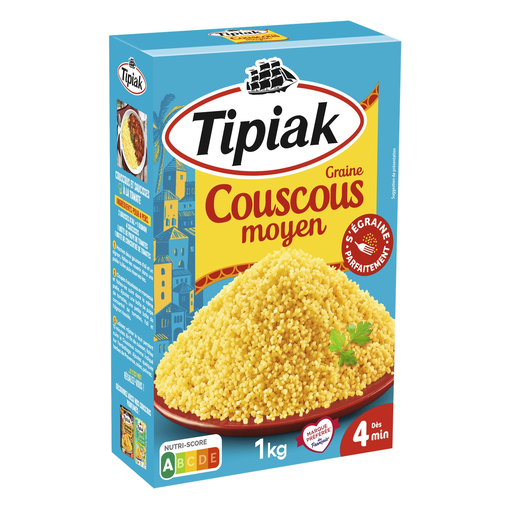 Image unavailable
A plain option to consider if you’re planning the other parts of your meal yourself for a cycling trip.
1 kg pack. Check the preparation instructions and allergen information for this product before use.
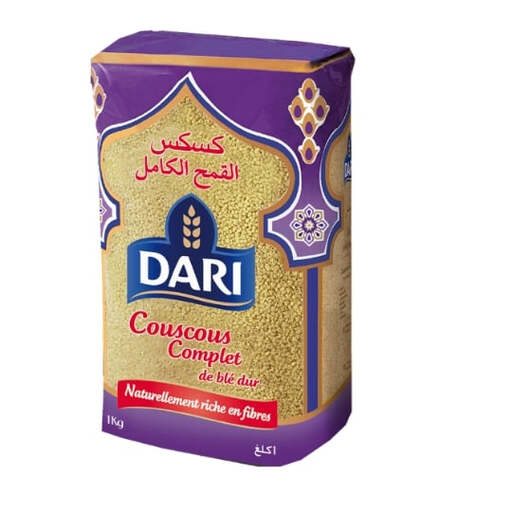 Image unavailable
Worth considering for meals where fibre content is a factor in your choice.
The Joybuy listing gives 63 g carbohydrate, 9.9 g fibre and 11.6 g protein per 100 g for this product. This durum wheat couscous contains gluten. Check the preparation instructions on the pack.
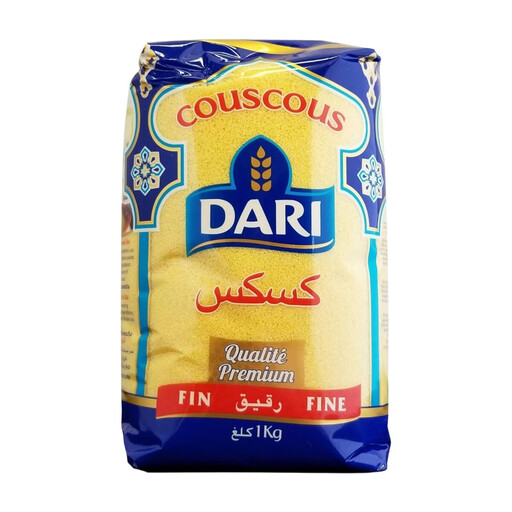 Image unavailable
An option if you’re looking for fine couscous to serve as a base for the meal you have planned.
1 kg pack. Check the preparation instructions and allergen information for this product on the packaging.
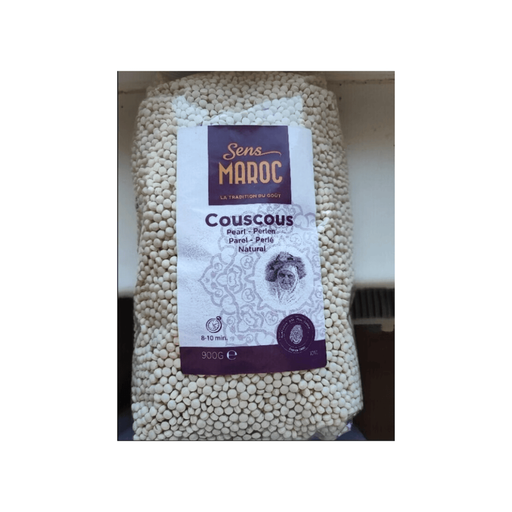 Image unavailable
Consider this if your recipe calls for pearl couscous rather than medium or fine couscous.
900 g pack. Check the ingredients and cooking instructions before choosing this format.
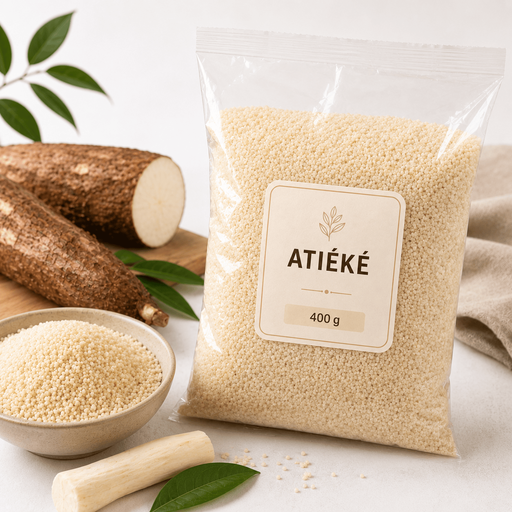 Image unavailable
A cassava preparation to consider if you’re looking for something other than durum wheat couscous for your meal.
400 g pack. Compare its nutritional information and preparation instructions before using it in place of the couscous specified in a recipe.
No. Plain couscous is a grain-based staple, not a complete meal on its own. Choose the other ingredients and drinks to suit the meal and when you plan to eat it.
Compare the nutritional information per 100 g, including carbohydrates, sugars, fat, protein and salt, then check the ingredients and allergen information. The DGCCRF states that the nutrition declaration for prepacked foods is given per 100 g or 100 ml. Also check the net quantity and the date shown on each pack.
No. The products featured here that are made from durum wheat semolina contain gluten. Read the label on the exact product, including any warnings about possible traces. The format name or a Nutri-Score does not replace checking the label.
Follow the instructions on the pack you’ve bought. The Tipiak products we checked recommend keeping them away from moisture and heat. Depending on the product, the packaging may also recommend storing it in an airtight container or in a cool, dry place after opening. Check the date on the pack too.