
当日/次日达

品质保障

开启新人专享福利: 全场免邮 | 低至 2 折 | 免费试用 30 天 JoyPlus 会员
下载 Joybuy
From removing makeup and cleaning a baby to simply freshening up, the cotton wipe is a versatile staple. But finding the perfect one can be a real challenge. The promises of softness on the packaging often clash with reality—wipes that leave lint, irritate the skin, or fall apart at the first touch of water—leading to quick disappointment. To help you avoid poor choices, let's break down the most common pitfalls together.
Here are the two mistakes to avoid when choosing your cotton facial wipes:
To avoid getting lost in the aisles, here are the technical details that make a real difference. These indicators will help you select a product that lives up to its promises.
The starting point is the composition. A quality wipe is made of 100% high-quality cotton, and nothing else. No synthetic fibres. You also need to look for products free from chemical treatments. Prioritise products that clearly state:
A good facial cleansing cotton must be as pure as possible to respect the skin's natural balance.
The manufacturing method is what separates a simple tissue from a truly high-performance makeup remover pad. Spunlace non-woven technology is the most advanced: cotton fibres are interlaced using high-pressure water jets, without any chemical binders.
The advantages are immediate:
A good cotton wipe should be versatile. It can be used dry, like a dry baby wipe for a quick clean-up, or wet for removing makeup and cleansing the face.
The ecological aspect has also become a major criterion. A biodegradable wipe is a real plus. A 100% cotton product will decompose naturally, unlike wipes containing polyester or other plastics. Remember to check this information to make a more responsible purchase.
Here are a few options that meet specific needs, taking into account the quality and performance criteria we've just discussed.
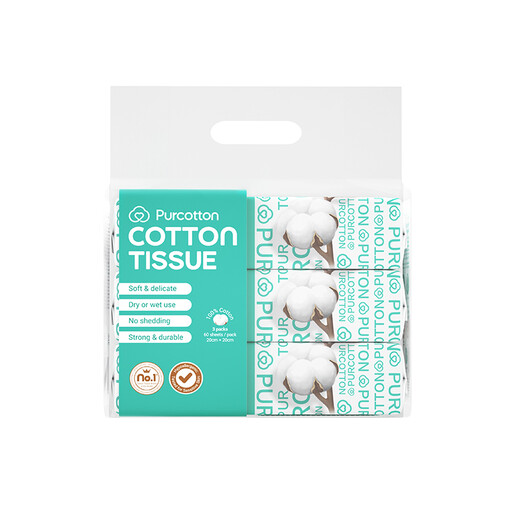
Why we recommend it: Perfect for reactive skin and for parents seeking a healthy solution for baby care. Its impeccable composition and softness make it a daily essential.
Made from 100% high-quality cotton, free of optical brighteners and fragrance, it avoids the low-grade "cotton" trap. Its non-woven technology ensures a lint-free experience, even when wet.
Its hypoallergenic formula and versatility (for dry or wet use) are its main advantages. Bonus: the manufacturer states it is biodegradable in 3 months.
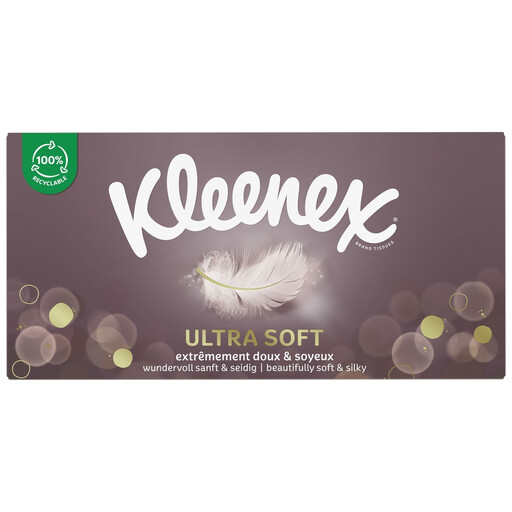
Why we recommend it: For those who want a soft and reliable solution for everyday needs (colds, quick makeup touch-ups). The convenient box format is always easy to keep within arm's reach.
Although not a pure cotton wipe, its 3-ply structure gives it excellent durability, unlike low-quality tissues that tear easily. Its softness is designed for repeated use on the face.
Remarkable softness and enhanced durability from its 3-ply design. It is also FSC certified (wood from sustainably managed forests).
1. Can you use a cotton facial wipe on a baby? Yes, but only if you choose a suitable product. Opt for a 100% cotton, hypoallergenic wipe that is guaranteed to be free of fragrance, alcohol, or additives. A pure cotton dry baby wipe is the safest option for daily cleaning.
2. What's the difference between a classic cotton pad and a non-woven cotton wipe? The classic makeup remover pad is often not very dense: it sheds lint and loses its shape once soaked with product. In contrast, the much sturdier non-woven cotton wipe remains intact, leaves no residue, and provides a more effective cleansing surface.
3. Are cotton wipes truly biodegradable? It all depends on their composition. A wipe made of 100% cotton fibres is, by nature, a biodegradable wipe. Be careful, though: many commercial wipes include non-degradable synthetic fibres (polyester, polypropylene). The rule of thumb: always read the composition label.