
Same-day & Next-day Delivery

Quality Guaranteed

Unlock Your Welcome Offers: FREE Delivery | Up to 80% OFF | Free 30-day JoyPlus trial
Download the APP
Cotton cleansing pads might seem like a simple purchase. But a few small details can turn a bargain into a product you’ll buy again and again. A pad that sheds, soaks up all your lotion, or tears on the first wipe will leave you using more than you need. To avoid disappointment, it pays to look beyond the number of pieces printed on the pack.
A pack of 180 cotton pads might look like better value than a pack of 60 or 70. But the size, thickness and absorbency vary hugely from one model to the next. To compare properly, work out the price per pad, and don’t forget to factor in how many pads you actually need for your full routine.
Larger pads work well for removing make-up from your face or cleansing your body. Smaller pads are often more practical for your eyes, lips, or for applying lotion to specific areas.
A very soft pad isn’t necessarily pleasant to use if it falls apart on the first wipe. For removing make-up, choose a structure that’s sturdy enough, with well-finished edges and a surface that won’t separate when it comes into contact with micellar water or cleansing milk.
Anti-linting cotton pads are especially useful around the eyes and for removing make-up residue without leaving visible fibres on your skin.
The phrase 100% natural cotton tells you what the material is claimed to be, but it doesn’t mean the cotton is organic, unbleached or certified. If you’re looking for organic cotton pads, check for a recognisable certification such as GOTS, along with details about bleaching, dyes and any other materials used.
A product made in France may also appeal if you have a preference for origin. However, this doesn’t replace checking the ingredients.
For reactive skin or family use, choose a product with clearly listed ingredients. Products made from 100% cotton reduce the risk of picking a blend with unspecified fibres. Unbleached products may keep a naturally off-white colour and can have small specks from the cotton fibre.
An organic or textile certification must be shown on the packaging in a verifiable way. The word ‘natural’ alone is not enough to confirm a certification exists.
A pad designed for removing make-up needs to hold enough product without becoming saturated straight away. For cotton used to apply lotion, a less absorbent texture can help you use less product. On the other hand, a more absorbent surface is better for removing foundation or mascara.
Two-sided pads often offer two different uses: a textured side for stubborn residue and a smooth side for daily cleansing. A practical design that helps you avoid using multiple pads in one routine.
Disposable pads are handy for quick use, travel, families, or treatments that need a fresh pad for each application. Reusable versions cut down on waste, but they need regular washing, thorough drying and clean storage space.
Whichever type you choose, dampen the pad with the right product rather than using it dry, especially on delicate areas. Never flush cotton pads down the toilet: put them in your household waste, following your local guidelines.
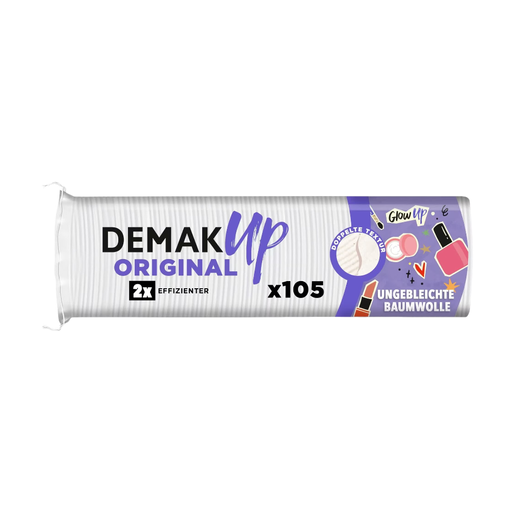
Why this choice suits this profile: Its 105-pad pack is ideal for a daily routine of removing make-up, cleansing and applying skincare, without needing to restock too often.
The stated composition is 100% pure unbleached cotton, with two textures and a design described as anti-linting.
105 pads, two complementary sides and stated to be made in France.
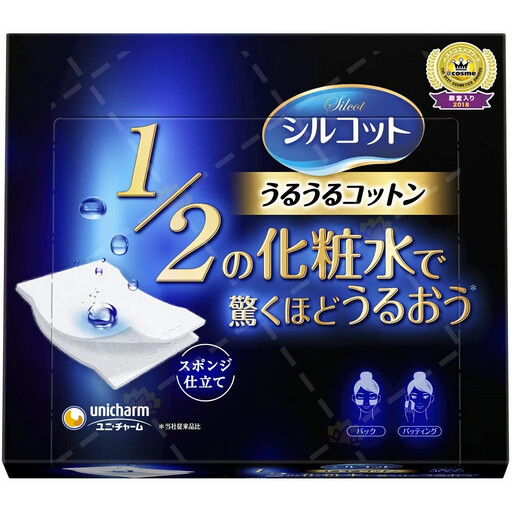
Why this choice suits this profile: Its soft, almost sponge-like texture and low linting will appeal to those who prioritise comfort when applying lotion.
The listing states limited lotion absorption and a design that leaves few fibres on the skin.
40 pads, 100% cotton and stated to be made in Japan.
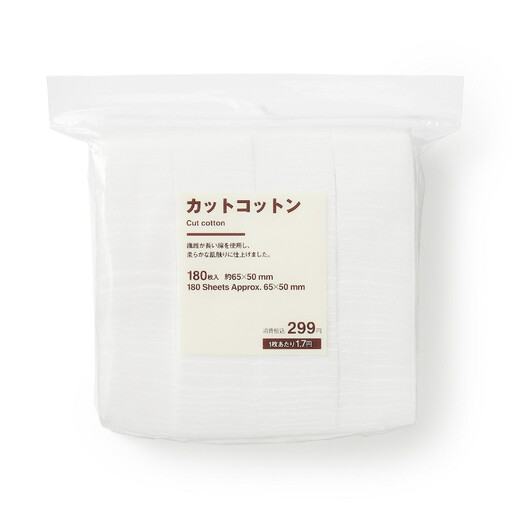
Why this choice suits this profile: Its large pack size is ideal for people who use cotton pads every day to remove make-up, apply lotion or cleanse their face.
The long fibres are said to create a smooth surface, avoiding the rough or uneven feel of some pads.
180 pads, approximately 65 × 50 mm, 100% cotton and stated to be made in Japan.
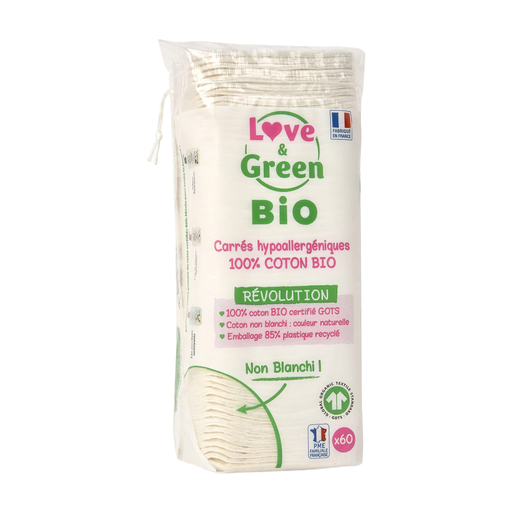
Why this choice suits this profile: These squares can be used on your face, body or for baby care. Their organic, unbleached composition is clearly stated.
The listing states it is GOTS-certified organic cotton by ECOCERT, with no chlorine, dyes or plastic.
60 squares, two sides and stated to be made in France.
We’ve put together a full, real-time selection of products that meet these exacting criteria and European safety standards.
Choose a soft texture and a clearly listed composition, then avoid rubbing. Always dampen the pad with the right product. If you feel any discomfort, stop using it immediately and check the product instructions. A commercial claim like ‘hypoallergenic’ describes a feature stated by the brand, but it doesn’t guarantee the same reaction for everyone.
Dry pads generally don’t have a limited shelf life, but check the information on the packaging. Store them in a clean, dry, sealed place away from moisture. A pack of 60 pads used twice a day can last around two weeks, while a pack of 180 pads will last considerably longer.
It all depends on the purchase price, how often you wash them and the cost of cleaning them. Disposable pads are simple to use and ready straight away. Reusable pads can reduce repeat purchases, but they need water, detergent and thorough drying. Compare the cost per use rather than just the pack price, taking your daily routine into account.