
Livraison le jour même ou le lendemain

Qualité garantie

Débloquez vos offres de bienvenue: Livraison GRATUITE | Jusqu'à -80 % | 30 jours d'essai gratuits à JoyPlus
Téléchargez l'application
Cotton squares for babies, reusable or disposable wipes, muslin cloths, towels, cotton handkerchiefs and hygiene products for adults – the choice is vast. But the differences aren’t always obvious. A fabric that feels soft can start to fray, a large pack can turn out to be impractical, and a product labelled “organic” doesn’t always come with a clearly identifiable certification.
To choose cotton baby products and everyday care items that genuinely suit your needs, it’s best to rely on concrete criteria rather than just promises like “natural”, “pure” or “sensitive skin”.
The word “cotton” doesn’t necessarily mean the product is made entirely from this fibre. Some items combine cotton with synthetic fibres – for example, baby towels made from a cotton-polyester blend. This mix can make the product lighter or speed up drying, but it won’t have the same characteristics as an item made from 100% cotton.
If your child has delicate skin, take the time to check the full composition, any treatments applied and the care instructions. The OEKO-TEX STANDARD 100 certification confirms that the product has been tested for certain substances, but it doesn’t guarantee it will suit every individual sensitivity.
A family pack of cotton handkerchiefs can lower the cost per unit. On the other hand, a small pack of dry wipes is much easier to slip into a bag. Buying a large quantity of disposable cotton pads for occasional use is more likely to clutter your cupboards and increase waste.
Always compare the number of pieces, their dimensions, how they’re used and how long the stock should last you.
Cotton baby muslin cloths and reusable towels need regular washing. A temperature limit of 40°C, a ban on bleach or no tumble-drying can change your usual routine. For organic cotton buds, the key point is how you use them: they are designed to clean the outer part of the ear and must never be inserted into the ear canal.
Used wipes and cotton squares should not be flushed down the toilet, even if the packaging says they are biodegradable.
Start by checking the composition: 100% cotton, certified organic cotton or a fibre blend. For organic cotton intended for babies, a certification such as GOTS provides a verifiable benchmark for the standards followed. It’s still essential to read the label: the certification may only apply to the material or part of the product.
If you’re looking for products for sensitive skin, choose those without fragrance, without alcohol and, where the information is available, without optical brighteners. Always test the product on a small area and stop using it at the first sign of irritation.
For a cotton baby square or a dry wipe, a texture that stays intact when dampened makes cleaning easier and avoids leaving fluff on the skin. The size also matters: a 20 × 20 cm square works well for the face and general care, while a more compact size is easier to store in a bag.
For muslin cloths and towels, look at the number of layers, the weight if stated, the dimensions and the drying time. A six-layer fabric will generally absorb more, but it will also take up more space when folded and need longer to dry.
A cotton pad designed for removing make-up is not a substitute for a square intended for nappy changes. Oval make-up remover pads can be pleasant for the face, while cotton baby squares are better suited to cleansing water or saline solution. For an ergonomic cotton baby carrier, check the minimum and maximum weight limits, head support, leg positioning and strap adjustment.
Here is a selection organised by different needs.
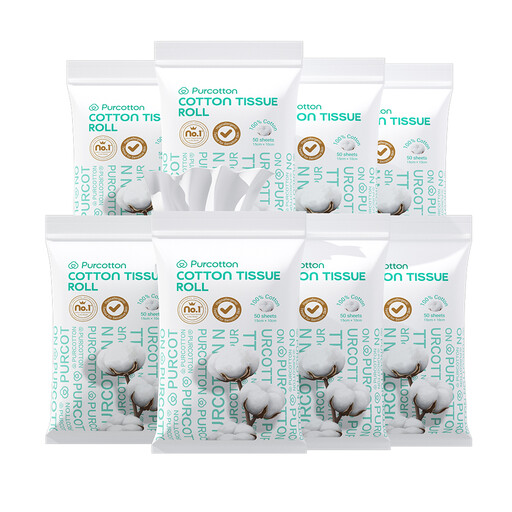
Why this choice suits this profile: The eight small packs of 50 sheets can be easily split between the changing bag, the bathroom and the car. The sheets can be used dry or dampened.
The split packaging reduces clutter and avoids opening a large pack every time you go out. However, do not flush the sheets down the toilet.
Stated 100% natural cotton composition, can be used dry or damp, 400 sheets in total.
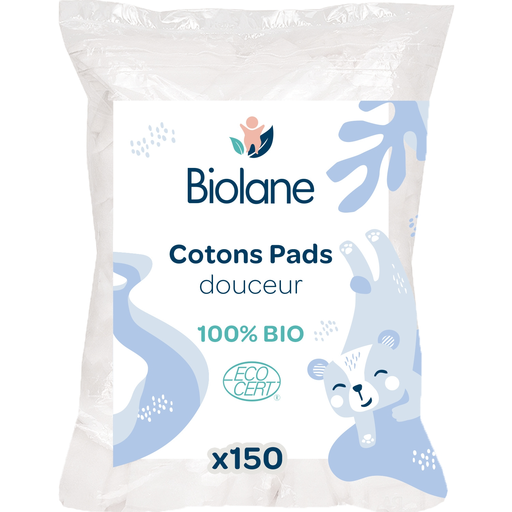
Why this choice suits this profile: This product is designed for cleaning the face, body and nappy area. Its composition is stated as 100% organic cotton certified GOTS by ECOCERT.
The certification and composition are clearly stated on the product page, rather than relying solely on a promise of softness. The squares must be disposed of with household waste.
150 squares, stated organic cotton, stated manufacture in France.
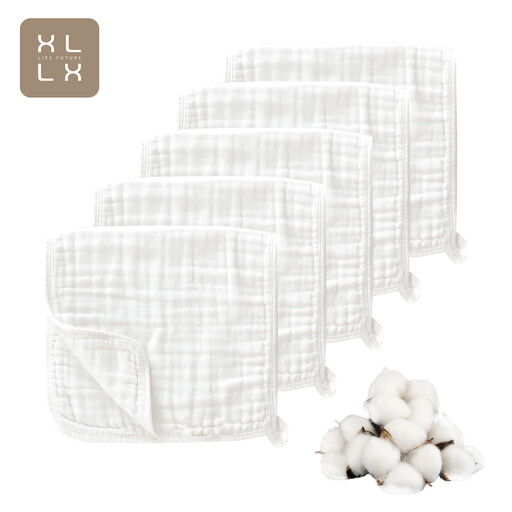
Why this choice suits this profile: The five muslin cloths measuring 30 × 50 cm are ideal for mealtimes, little burps and repeated cleaning. Their six-layer design boosts absorbency. Machine wash at 40°C.
The reusable pack is suitable for frequent needs and avoids reaching for a disposable wipe for every little accident. Air drying is recommended to minimise shrinkage.
Stated 100% cotton, six layers, five reusable pieces.
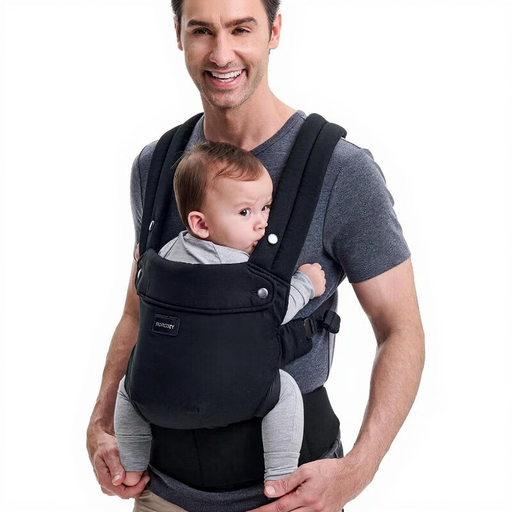
Why this choice suits this profile: This cotton baby carrier is stated for a weight range of 3.18 to 19.96 kg. It allows front carrying, with crossed straps and the legs in an M-position.
The product page specifies the weight limits and recommends checking the buckles and straps. These instructions must be followed: the carrier should not be used for any activity that involves a risk of falling.
Stated 100% cotton, crossed straps, neck support and adjustments for front carrying.
We’ve put together a comprehensive list, updated in real time, of products that meet these demanding selection criteria and European safety regulations.
A standard cotton square is generally designed for single use. Reusable muslin cloths and wipes, on the other hand, can be reused if their label provides suitable care instructions. Use an appropriate detergent, rinse them thoroughly and let them dry completely before storing.
Reusable wipes are suitable for families who can manage regular laundry loads. Disposable ones are practical when you’re out and about or for care that requires immediate disposal. Check their composition, how well they hold up when dampened and whether they are fragrance-free if you’re looking for products for sensitive skin.
Organic cotton buds – especially those with tips stated to be made from organic cotton – should only be used to clean the outer part of the ear. Never insert them into the ear canal. For children, they must be used under the direct supervision of an adult and in accordance with the instructions on the packaging.