
Livraison le jour même ou le lendemain

Qualité garantie

Débloquez vos offres de bienvenue: Livraison GRATUITE | Jusqu'à -80 % | 30 jours d'essai gratuits à JoyPlus
Téléchargez l'application
Slipping in the middle of a Downward-Facing Dog, losing your balance during a Hot Yoga session… It's a frustrating and even risky experience. If you're reading this, your current mat has likely shown its limits, especially when your practice intensifies and sweat becomes a factor.
The market is saturated with marketing promises that, let's be clear, don't all hold up. Before you invest, it's crucial to know how to avoid the classic traps so you don't regret your purchase.
To avoid making a mistake, it's better to rely on objective technical features than the siren song of marketing. Here are the non-negotiable points to check.
The combination of a cork surface and a TPE (Thermoplastic Elastomer) base proves to be particularly effective.
For a dynamic practice (Vinyasa, Ashtanga) or one that demands precision, thickness is a key factor. A 5 or 6 mm thick yoga mat often represents the ideal compromise. It offers:
This is the deciding factor for anyone who sweats during their practice. Unlike PVC mats that become incredibly slippery, a cork yoga mat uses moisture to its advantage. Sweat activates the natural properties of cork, increasing grip and securing your practice from start to finish. It's this characteristic that makes it the top choice for a truly high-performance non-slip yoga mat.
Rather than an endless list, here is a targeted selection, designed for specific needs and based on our performance and quality criteria.

Why this choice? This user profile prioritises performance and safety above all. Since sweat is a constant, a flawless grip is essential to flow through poses with fluidity and confidence.
Its natural cork surface directly tackles the problem of slipping due to sweat, as its grip intensifies with moisture. It therefore doesn't fall into the trap of offering only "dry grip."
Sweat-activated grip: perfect for intense practices. Eco-friendly materials: renewable cork surface and recyclable TPE base. The 5 mm thickness offers an excellent balance of cushion and stability.
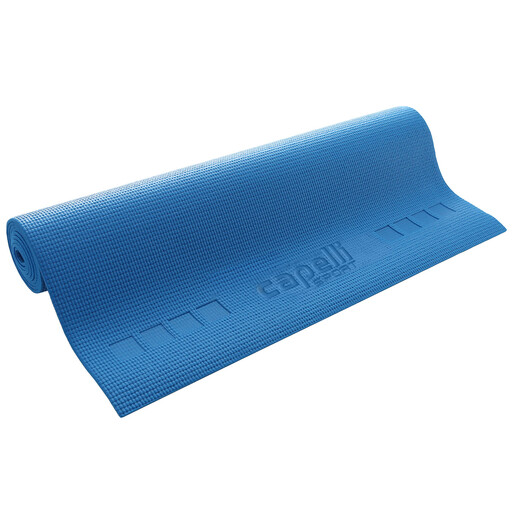
Why this choice? When you're just starting out or your practice is occasional and not very intense, the initial investment can be a barrier. This profile needs a functional and affordable mat to get started.
As an economical and transparent option regarding its composition (PVC), it avoids the "greenwashing" trap. It's sold for what it is: an entry-level mat for a practice with minimal sweating.
Budget-friendly price: allows you to get equipped without breaking the bank. Lightweight and portable: convenient for taking to your first classes. The 4 mm thickness is sufficient to start with.
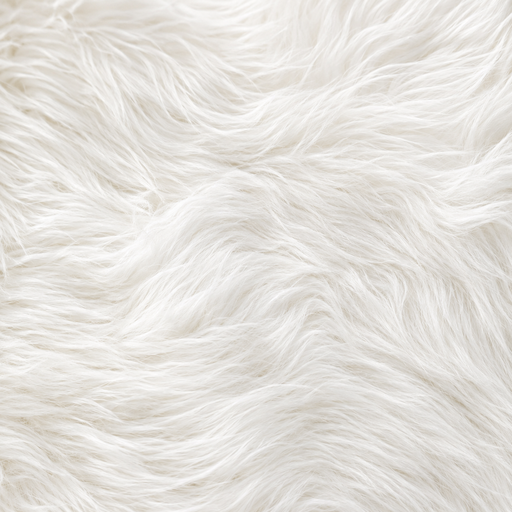
Why this choice? Here, there's no need for a technical mat for dynamic poses. The main goal is a comfortable and warm surface for seated meditation, Yin Yoga, or breathing exercises (Pranayama).
Clearly positioned as a comfort accessory rather than a technical yoga mat, it avoids any confusion. It makes no claims of offering grip for standing poses.
Absolute comfort: its soft texture is perfect for extended floor practices. Versatile: as beautiful as it is practical, it can also serve as a decorative element in a meditation corner.
Discover our complete and updated selection of products that meet our strict selection criteria and European safety standards.
Maintenance is a breeze. After your session, a simple wipe with a damp cloth is enough. For a deeper clean, prepare a solution of water with a few drops of mild soap or white vinegar. Gently scrub the surface, rinse with another damp cloth, and then let it air dry away from direct sunlight. Most importantly, never use harsh chemical products or put it in the washing machine.
Absolutely, that's its main advantage. Suberin, a natural waxy substance present in cork, reacts to moisture. When you sweat, the pores of the cork create a micro-suction effect that significantly increases grip. This is why it's highly recommended for dynamic yoga styles where sweating is intense.
With proper care, a quality cork and TPE mat can last for several years. Its longevity will, of course, depend on how often you practice and how well you care for it. A tip to preserve the cork: always roll it with the cork side facing out, without tightening it excessively. This will help prevent cracks and keep its surface perfectly smooth.