
Livraison le jour même ou le lendemain

Qualité garantie

Débloquez vos offres de bienvenue: Livraison GRATUITE | Jusqu'à -80 % | 30 jours d'essai gratuits à JoyPlus
Téléchargez l'application
If you practice yoga, you know how much the quality of your mat can transform a session. A slippery surface, insufficient cushioning, or materials that wear out too quickly are all distractions that pull you away from what's essential: focus and well-being. The cork yoga mat has emerged as an increasingly popular alternative for yogis seeking both performance and durability.
This guide breaks down the benefits of cork and gives you the keys to making an informed choice, cutting through the marketing jargon.
Choosing a yoga mat is about more than just its colour. Here are the essential technical criteria to consider for a comfortable and safe practice.
The crucial factor, especially during dynamic sessions or hot yoga, is maintaining stability. A good non-slip yoga mat is therefore essential. Cork has a fascinating characteristic: its grip improves with moisture. The more you sweat, the grippier the surface becomes, significantly reducing the risk of slipping in poses like Downward-Facing Dog. This is a major advantage over some PVC mats, which can become literal ice rinks.
The thickness of the mat directly impacts the comfort of your joints (knees, wrists, ankles).
Most high-quality cork mats are not 100% cork. They combine a top layer of natural cork with a base of TPE (Thermoplastic Elastomer). This cork and TPE fitness mat offers the best of both worlds:
This combination also makes it an excellent eco-friendly yoga mat option, as cork is a renewable resource and TPE is a recyclable material.
Whether you're looking for a high-performance mat for your personal practice or a solution to set up a complete workout space, here is our selection.

Why It Stands Out: This mat embodies the perfect balance between performance and thoughtful design. Its dual-material structure has been specifically engineered for yoga practice: the natural cork top layer offers a grip that intensifies with sweat, while the high-density TPE base ensures rock-solid stability on most floors.
Highlights:
Who It's For? For intermediate to advanced yogis looking for a high-performance, durable mat suitable for intense practices. It's an excellent choice for those who are mindful of their equipment's composition.
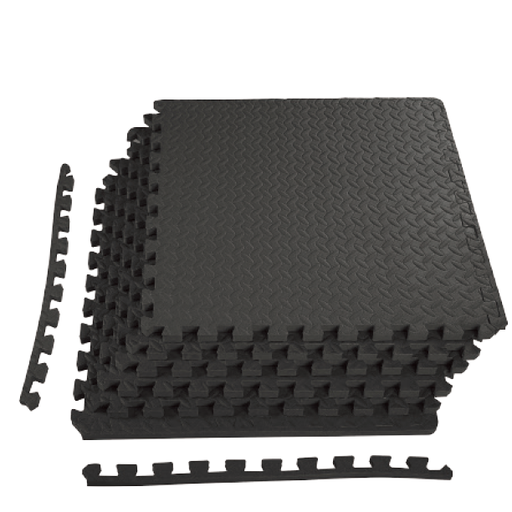
Why It Stands Out: This product isn't a portable yoga mat, but a solution for creating a permanent or semi-permanent workout space at home. These PE foam tiles interlock to cover a larger area, protecting your floor and offering superior cushioning for various fitness exercises.
Highlights:
Who It's For? For those setting up a home gym who need a protective and comfortable floor covering for fitness, weight training, or to place under machines. This is not a direct alternative to a cork yoga mat for a portable practice.
Our selection focuses on the needs of yogis and fitness enthusiasts. However, a wellness or home office space may require other types of technical flooring. For more specific needs, such as protecting electronic equipment in an office or workshop, other solutions are available.
? Explore our range of technical mats, including anti-static mat options.
It's incredibly simple. After your session, wipe the surface with a damp cloth, using a little mild soap if necessary. Avoid harsh detergents and abrasive brushes. Let it air dry, either flat or hanging. Do not leave it in direct sunlight for long periods, and most importantly, never put it in a washing machine.
Yes, and it's one of its greatest strengths. When dry, its grip is already good. But its performance truly shines when it's slightly damp. The cellular structure of cork reacts to moisture (like sweat), which increases friction and provides exceptional grip, right where other mats would become slippery.
With proper care, a quality cork and TPE yoga mat is an investment built to last. To preserve the cork layer, avoid folding it; it's best to roll it with the cork side facing out. Its durability makes it a reliable companion for many years of practice.