
Livraison le jour même ou le lendemain

Qualité garantie

Débloquez vos offres de bienvenue: Livraison GRATUITE | Jusqu'à -80 % | 30 jours d'essai gratuits à JoyPlus
Téléchargez l'application
Choosing a yoga mat? It seems simple enough. Yet, this decision directly impacts the quality and safety of your practice. Faced with a sea of available models, it's easy to fall for the most common marketing traps. An unsuitable mat doesn't just spoil your comfort: it can sabotage your balance and compromise your poses.
To avoid disappointment, let's review the pitfalls to be aware of before you invest. A well-informed yogi is a prepared yogi.
Keeping these points in mind is the best way to choose a mat that will become a true ally for your practice, not a source of frustration.
To ensure you make the right choice, here are the technical parameters to scrutinise.
This is arguably the most decisive criterion. And on this point, cork brilliantly outshines conventional materials.
The ideal thickness depends on your type of practice and the sensitivity of your joints.
Don't be fooled: at the same thickness, two mats can offer a completely different feel. A high-density model will be firmer, more stable, and above all, more durable. It won't warp or crumble after a few months of intensive practice. The combination of cork and a high-density TPE base is the winning formula for a high-performance mat built to last.
Forget endless lists. We've selected models that meet specific needs, based on our criteria for performance and durability.
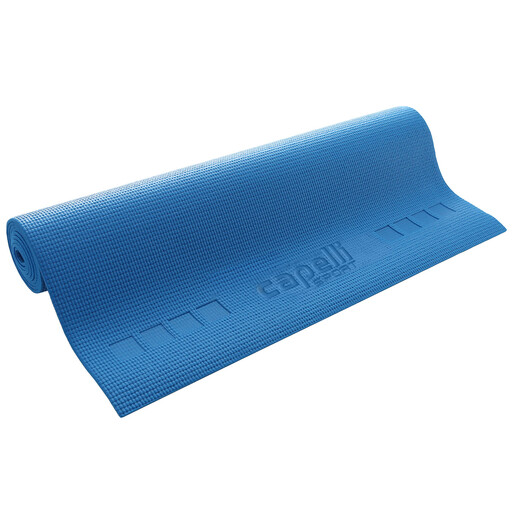
Why we chose it: A simple and effective option for starting yoga or for occasional practice. It allows you to get equipped at a low cost, while still offering a decent surface for floor exercises.
There's no need to pay a premium for technologies (like wet grip) that are unnecessary for beginners or gentle practices. This mat sticks to the essentials.
Its unbeatable price-to-quality ratio makes it the perfect entry ticket to discover yoga without breaking the bank.

Why we chose it: The dream companion for those who sweat. Its natural cork surface provides a grip that improves with heat and humidity. The result: rock-solid stability during fast-paced flows (Vinyasa, Ashtanga) or in a heated studio.
It tackles the number one problem: a mat that turns into a slip-and-slide from sweat. This is a real investment in your safety and performance, where a conventional model would fail.
Exceptional grip that activates with sweat. Eco-conscious composition (renewable cork and recyclable TPE). Its 5 mm thickness ensures excellent cushioning for the joints.
Explore our full selection of mats that meet our strictest quality and safety standards.
Maintenance is a breeze, and it's the key to its longevity. After each session, a simple wipe with a damp cloth is sufficient. If needed, add a highly diluted drop of mild soap. Avoid chemical cleaners and abrasive brushes. Let it air dry, either flat or hanging, but never in direct sunlight. And most importantly, no washing machines!
Their grip functions differently. On a dry surface, a good natural rubber mat offers excellent grip. But the magic of a cork yoga mat is that its grip strengthens with moisture. For those who sweat a lot from their hands or feet, or for hot yoga enthusiasts, cork often proves to be more effective and safer than rubber, which tends to become slippery when wet.
When well-maintained, a quality cork and TPE mat is a long-term investment. It will easily last you for several years of regular practice. Its durability is incomparable to that of entry-level PVC mats, which wear out, crumble, and lose their grip at an alarming rate.