
Livraison le jour même ou le lendemain

Qualité garantie

Débloquez vos offres de bienvenue: Livraison GRATUITE | Jusqu'à -80 % | 30 jours d'essai gratuits à JoyPlus
Téléchargez l'application
A cordless wet-dry vacuum cleaner can make daily cleaning much easier: it vacuums dust, picks up liquids and cleans hard floors in a single pass. But marketing promises don’t always reflect the realities of using one at home. Limited battery life, fiddly maintenance or incompatibility with certain floor types can quickly turn an appealing appliance into an impractical purchase.
Before comparing wet-dry vacuums or mop vacuums, it’s worth looking at a few very practical criteria.
A 2-in-1 vacuum designed for hard floors won’t necessarily replace a traditional vacuum on carpets and rugs. Some models with a washing function are intended only for varnished parquet, tiles, laminate or vinyl. Used on an unsuitable surface, they may leave too much moisture or perform less consistently.
Always check which surfaces are compatible. For parquet flooring, choose a model with an adjustable water flow and only use it if the manufacturer approves wet cleaning on that type of floor.
Figures in watts, pascals or air watts aren’t enough to measure a machine’s real effectiveness. The brush design, the seal of the air path, dirty water recovery and airflow all play an important role.
High power can also mean higher energy consumption and more noise. In a family home, it’s better to look at the balance between suction power, battery life, manoeuvrability and ease of maintenance.
The self-cleaning function doesn’t let you off emptying the dirty water tank, rinsing the filters and leaving removable parts to dry. Food residue, hair and stagnant water can quickly cause bad smells if the machine is left closed after use.
A vacuum with self-cleaning does save time, but also check for automatic drying, how easy the roller is to access and the cost of consumables.
On a cordless model, compare the stated battery life with the size of your home and your cleaning habits. A duration of 30 to 35 minutes may be enough for a flat or for spot cleaning. A larger house will need a longer-lasting battery, ideally a removable one.
Bear in mind that turbo mode, intensive washing and heavy dirt can significantly reduce run time. A removable battery can be handy for extending a session, provided you can buy spare batteries.
Dual-tank technology keeps clean water separate from dirty water. This stops you from putting already-used water straight back onto the floor. Check the capacity of the clean water tank, the dirty water tank and how easy they are to fill.
For daily use, compact tanks improve manoeuvrability. For longer sessions, larger capacities mean fewer interruptions, but they usually add to the machine’s weight.
A head that can reach along skirting boards reduces the need for hand-finishing in corners. Households with pets should also look at the roller design, whether there’s an anti-tangle system and how easily hair can be removed.
Automatic brush drying is a real comfort feature, but check its duration, the stated temperature and the manufacturer’s recommendations. Filters must be completely dry before being refitted.
The models below are suited to different needs. The features shown are based on the information provided for each product; check the full product page before buying to confirm accessories, warranty and delivery terms.
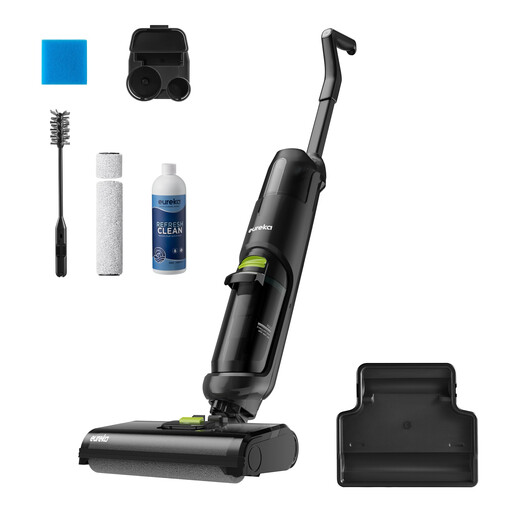
Why this choice suits this profile: This cordless model is for anyone who wants to vacuum and wash hard floors with a manoeuvrable machine, without being bothered by a cable while cleaning.
Its two tanks keep clean and dirty water separate, while the self-cleaning function limits direct contact with the roller after use.
Self-propulsion, swivel head, simultaneous cleaning of dry and wet debris, stated battery life of up to 30 minutes.
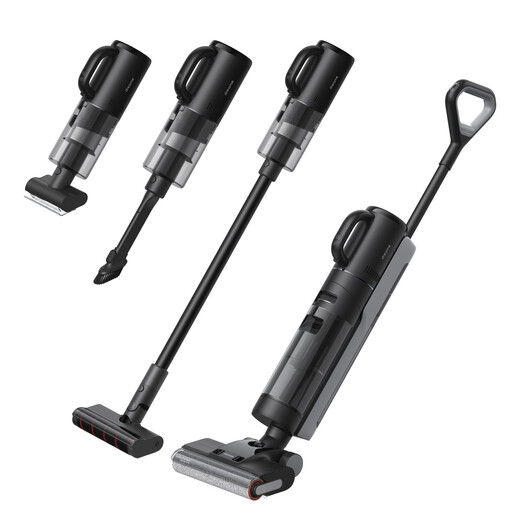
Why this choice suits this profile: Its multi-function design suits households that want to tackle floors, certain rugs and furniture surfaces with a single set-up.
The system includes a self-cleaning cycle and hot air drying stated at 55°C for 30 minutes, making maintenance easier to manage.
Four modes, dirt detection, cleaning within 6 mm of skirting boards, stated battery life of 35 minutes in wash mode.
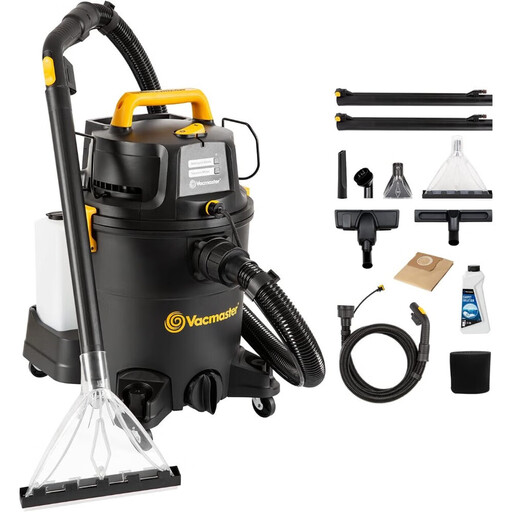
Why this choice suits this profile: Its corded format and large tank are ideal for prolonged cleaning of floors, rugs, sofas or car interiors.
It doesn’t rely on a battery, so there are no interruptions due to battery life during a long session. Its stated reach is 10 m.
1,300 W motor, 23 L tank and 3-in-1 function for vacuuming, washing and drying hard floors, carpets and upholstery.
We’ve put together a comprehensive, real-time updated list of products that fully meet these strict selection criteria and European safety regulations.
Before first use, fill only the clean water tank and follow the detergent dosage stated in the manual. Avoid unauthorised foaming liquids: they can disrupt water recovery or damage the motor.
After each use:
On parquet or laminate flooring, don’t leave residual water and regularly check the condition of the seals, wheels and brush.
Not always. It is primarily designed for hard floors and wet messes. For thick carpets, rugs, stairs or tight corners, a traditional vacuum with various attachments is often still needed.
The budget includes electricity, filters, rollers and sometimes a specific cleaning solution. With a battery-powered machine, you also need to factor in a possible battery replacement. Before buying, check the availability and price of replacement parts.
Only use the product recommended in the manual. A detergent that is too foamy or too concentrated can damage the internal system. For parquet and sensitive floor coverings, also follow the water level advised by the manufacturer.