
Livraison le jour même ou le lendemain

Qualité garantie

Débloquez vos offres de bienvenue: Livraison GRATUITE | Jusqu'à -80 % | 30 jours d'essai gratuits à JoyPlus
Téléchargez l'application
A cordless wet-dry vacuum cleaner sucks up dust, picks up liquids and washes hard floors in a single pass. For a family, a home with pets, or a property with tiles and varnished parquet, this format saves you from juggling multiple appliances. That said, the spec sheets don’t always tell the full story, and the experience can vary from one model to another.
Before buying a wet-dry stick vacuum, it’s worth checking its real battery life depending on the mode used, the capacity of its tanks, and how easy the brush is to maintain. Here are the criteria to examine to avoid nasty surprises.
The maximum battery life is usually measured under very specific conditions, often using a low-power mode. A machine advertised for 35 or 40 minutes can last significantly less time on high power, with a high water flow, or when the brush is tackling thick dirt.
To compare two models, look instead at:
A wet-dry vacuum cleaner doesn’t let you off emptying the dirty water tank. Damp residue, pet hair and food debris can quickly create unpleasant odours if the machine is left closed after use.
The brush self-cleaning function makes rinsing easier, but it doesn’t replace:
An automatic cycle with roller drying can reduce the amount of handling. Still, you need to check that this function is actually included and know how long the cycle lasts.
A floor cleaner designed for tiles, vinyl or varnished hard surfaces isn’t necessarily suitable for carpets and rugs. Water can also be inadvisable on certain unprotected wooden floors.
Before ordering, check which surfaces are compatible. If your home mainly has tiles, suitable laminate or treated parquet, go for a wet-dry vacuum cleaner for hard floors.
The separation between clean water and dirty water is essential: it stops you from spreading already-soiled water back over the floor. For a medium-sized home, a clean water tank of 0.4 to 0.8 litres can be enough, depending on the water flow and the area to be cleaned.
However, the stated capacity shouldn’t be your only guide. A large tank can sometimes make the machine heavier. Instead, look for the right balance between washing runtime, manoeuvrability and how often you need to refill.
Dirt tends to build up along skirting boards and in corners. A head that can get within a few millimetres of the edges saves you from having to go back with a cloth.
A 180° tilt is also handy for reaching under furniture. But do check the actual height of the machine when tilted, as well as its weight. A model weighing 4.2 to 4.6 kg can still be easy to handle, but the feel also depends on the motor position and the shape of the handle.
A self-cleaning brush makes rinsing simpler after cleaning up a spill, kitchen marks or pet hair. Models with automatic drying go even further, but check the manual for the temperature and duration of the cycle.
Noise is also worth paying attention to. A level close to 78 to 80 dBA is clearly noticeable in a flat, especially in intensive mode. If you clean early in the morning or with children and pets around, choose a machine with reasonable operation and keep sessions short.
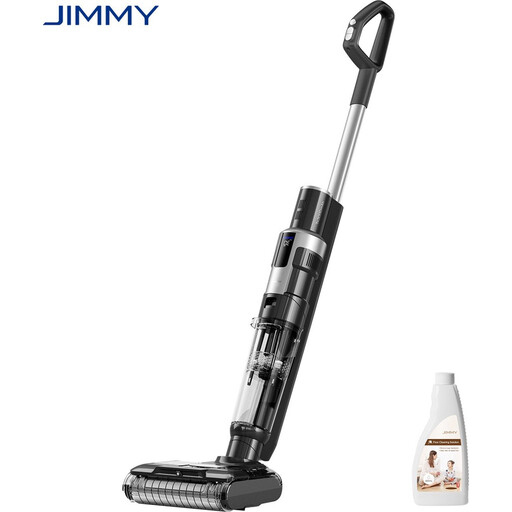
Why this choice suits this profile: Its two 400 ml tanks, LED display and separate modes for hard floors and carpets make it particularly easy to get to grips with for a first purchase.
The brush self-cleaning and separation of solid and liquid waste reduce handling, without letting you off emptying and drying the machine after use.
180° rotation under furniture, LED display, 30 minutes stated in hard floor mode and removable battery.
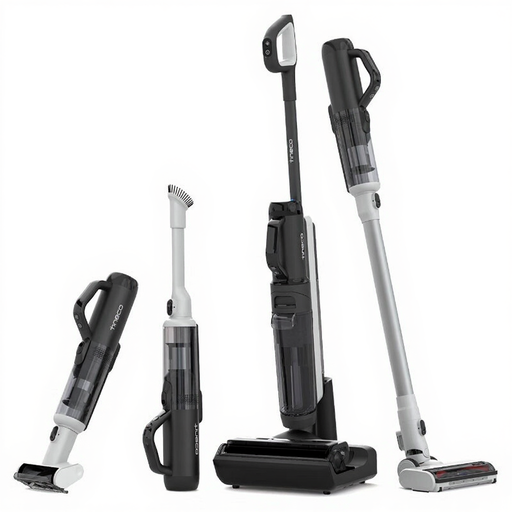
Why this choice suits this profile: This multifunctional floor cleaner combines hard floor washing and upright vacuuming, with accessories for high surfaces or dry debris.
Its dual function means you don’t need to buy a separate stick vacuum and a machine that can handle liquids. The ZeroTangle roller reduces hair wrap.
Up to 40 minutes in wash mode, 65 minutes in upright vacuum mode, edge cleaning on both sides and 180° tilt.
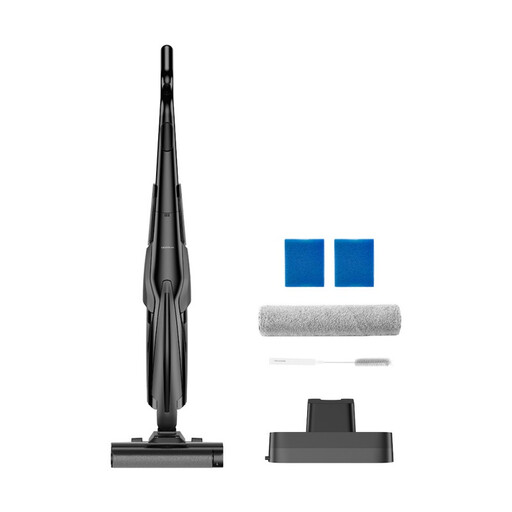
Why this choice suits this profile: Its stated wash runtime of up to 50 minutes and its wash-and-dry system are ideal for large areas and households regularly dealing with pet hair or wet messes.
Washing and drying at the station stops you from leaving a damp roller after the session. The anti-tangle system is designed to simplify managing hair and fur.
Stated suction power of 22 kPa, 70 °C washing, 100 °C drying and 180° tilt for reaching under furniture.
We’ve put together a comprehensive, real-time updated list of products that fully meet these strict selection criteria and European safety regulations.
Fill the tank with clean water and only use a solution explicitly approved by the brand. Adding bleach, essential oils or any harsh product can damage the seals and release unwanted fumes.
After each use:
Also check the safety instructions and manual, verify the warranty conditions and ensure the relevant regulatory markings are present before first use. On a wet floor, warn children and pets about the risk of slipping.
For routine cleaning of compatible hard floors, yes. However, a very old stain, a narrow corner or a delicate floor may still need manual cleaning.
The cost mainly depends on the electricity used during charging, how often you replace filters and rollers, and the cleaning solution you use. The self-cleaning cycle also uses a little water, which should be factored into your regular maintenance costs.
Yes, some models have a brush designed to reduce hair wrap. However, you still need to regularly remove hair and fur from the roller, empty the dirty water tank after each session, and check that the machine is suitable for your home’s flooring.