
Livraison le jour même ou le lendemain

Qualité garantie

Débloquez vos offres de bienvenue: Livraison GRATUITE | Jusqu'à -80 % | 30 jours d'essai gratuits à JoyPlus
Téléchargez l'application
A cordless wet and dry vacuum cleaner can make everyday cleaning easier by vacuuming and washing the floor in a single pass. In a family with children, a home with pets or a larger property, the time saved can be considerable. However, the differences between models are significant, and marketing claims should not always be taken at face value.
Before buying, take the time to check which floors are compatible, the actual battery life, how dirty water is handled and what maintenance is required. Here are the key criteria to consider when choosing a wet and dry vacuum cleaner suited to your daily routine.
A figure expressed in Pa, watts or Air Watts does not measure exactly the same thing. For example, a model advertised at 20,000 Pa indicates its suction pressure. However, this alone cannot predict how effectively it will pick up crumbs, hair or liquids.
The brush design, water flow rate, circuit seal and dirty-water recovery also play a decisive role. When comparing appliances, prioritise data measured according to the same criteria.
Maximum battery life is generally measured in a low-energy mode. Intensive mode, washing and automatic dirt detection can significantly reduce this operating time. In a large flat or house, also check the clean-water tank capacity: having to refill it halfway through a cleaning session is rarely convenient.
A cordless wet and dry stick vacuum advertised for 30 to 40 minutes may be suitable for targeted everyday cleaning. For a larger property, it is better to choose a model with a longer-lasting battery or opt for a corded appliance.
An self-cleaning system does not mean you can skip emptying the dirty-water tank, rinsing removable parts and allowing the filters to dry. Without this routine, unpleasant odours and residue can quickly build up.
A vacuum cleaner with brush drying reduces the amount of manual work, but check the cycle duration and the stated temperature. Automatic drying makes maintenance easier; it does not replace regular cleaning.
Most appliances in this category are designed for hard floors: tiles, vinyl, parquet suitable for wet cleaning or laminate flooring, depending on the manufacturer’s recommendations. Some wet and dry vacuum cleaners can also be used on rugs and carpets. However, a floor washer is not automatically suitable for textile surfaces.
A model that can recline to 180° flat can slide beneath low furniture. Nevertheless, check the appliance’s actual height and the manufacturer’s instructions regarding the water level when used in this position. The JONR H2, Tineco Floor One Stretch S6, Dreame H15 Pro and Deerma VX100 Ultra S models advertise a flat-cleaning function.
Two separate tanks keep clean water apart from recovered water. Check their capacity, how easy they are to access and whether they have a “MAX” indicator. An overfilled dirty-water tank can reduce recovery performance and increase the risk of splashing.
To collect a spilt liquid, use a wet and dry appliance in accordance with its instructions. Flammable, toxic or highly foaming liquids must not be vacuumed with an appliance that has not been designed for this purpose.
For a pet hair vacuum cleaner, the roller shape and anti-tangle protection are essential. Long hair can quickly block a conventional brush. Look for anti-tangle technology, a brush that is easy to remove and washable or replaceable filters.
The phrase “powerful 20,000 Pa” is attention-grabbing, but it needs to be considered in context: the brush being used, battery life and noise level all matter. Read the technical specifications carefully rather than treating this single figure as a guarantee of effective cleaning on every type of floor.
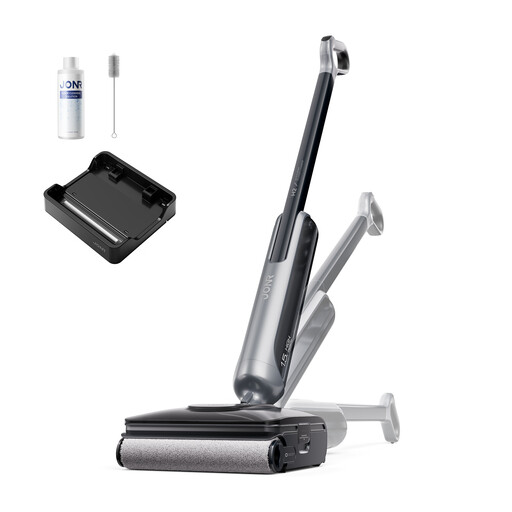
Why this choice suits this profile : This cordless appliance combines wet vacuuming and floor washing, with a design advertised as reclining 180° flat to clean beneath low furniture.
The product details distinguish the advertised power from the usage limitations, including the exclusion of thick carpets and floors that are vulnerable to moisture.
Advertised suction power of 20,000 Pa and a cordless design well suited to routine maintenance of hard floors.
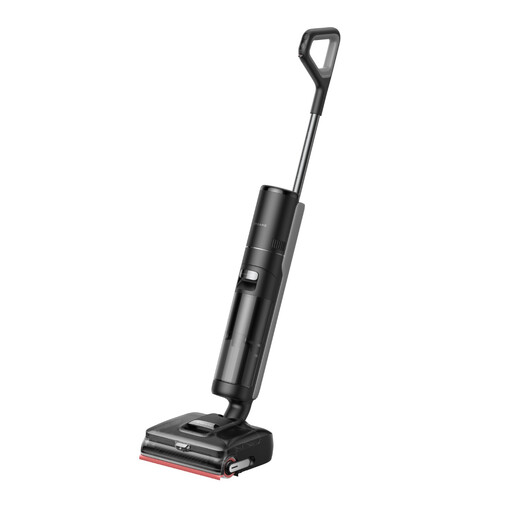
Why this choice suits this profile : Its technical specifications bring together several advanced features for users looking for a versatile and particularly comprehensive appliance.
The modes, tank capacities, battery life and brush-drying time are all detailed, allowing for a practical comparison.
Advertised maximum suction power of 21,000 Pa, 180° flat cleaning, self-cleaning and hot-air brush drying.
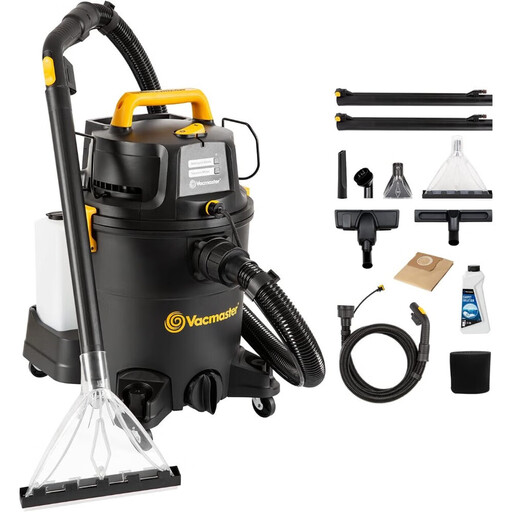
Why this choice suits this profile : Its corded power supply and large tanks are ideal for garages, workshops and long cleaning sessions.
The corded design avoids the limitation of a short battery life during extended jobs. The separate tanks also make it easier to manage clean and dirty water.
Advertised 1,300 W motor, 23-litre capacity and 3-in-1 function for vacuuming, washing and drying.
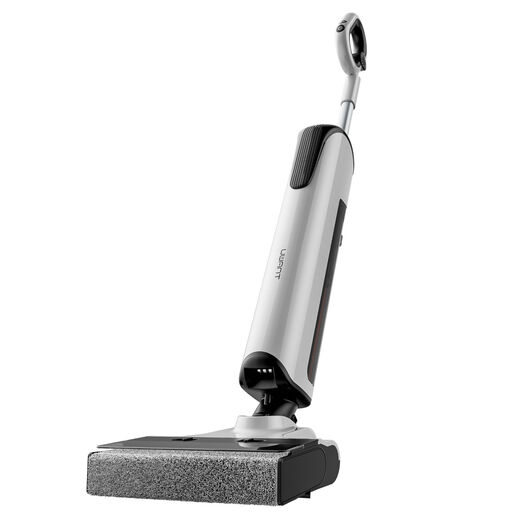
Why this choice suits this profile : Dirt detection, adjustable water flow and a three-sided brush are particularly well suited to frequent cleaning around the dining table and pets.
The instructions recommend a low-foaming solution, emptying the dirty-water tank and allowing the filter to dry completely before putting it back.
Advertised suction power of 20,000 Pa, battery life of up to 45 minutes and a cleaning station with drying function.
We have put together a complete, real-time updated list of products that meet these demanding selection criteria and European safety standards.
It depends on the parquet finish and the manufacturer’s recommendations. Wet cleaning is not suitable for all parquet flooring or surfaces that are sensitive to water. Choose an appliance with adjustable water flow and avoid leaving moisture standing. Always consult the instructions before using it for the first time.
The cost includes electricity, water and, depending on the model, cleaning solution as well as replacement filters and rollers. A rechargeable appliance uses little energy per cycle, but the price and availability of consumables may have a greater impact over time. Also remember to check the warranty and the availability of spare parts.
Switch off the appliance, empty and rinse the dirty-water tank, then start the designated self-cleaning cycle. Remove any visible hair from the brush, clean the filter and allow every component to dry completely before putting it back. The charging base should remain on a dry, stable surface away from heat sources.