
Livraison le jour même ou le lendemain

Qualité garantie

Débloquez vos offres de bienvenue: Livraison GRATUITE | Jusqu'à -80 % | 30 jours d'essai gratuits à JoyPlus
Téléchargez l'application
A cordless wet and dry vacuum cleaner can save you from repeatedly cleaning hard floors: it vacuums up dust, crumbs and pet hair, then removes wet dirt and some stains in a single pass. But not all models are created equal. Limited battery life, poorly sized tanks or time-consuming maintenance can quickly turn the promised time saving into an additional chore.
Before comparing the available options, here are the main pitfalls to avoid and the criteria that really matter in a British home.
Maximum battery life is generally measured in the least energy-intensive mode. When vacuuming and mopping operate simultaneously, runtime can vary depending on the power setting, water flow, type of dirt and surface being cleaned. In a flat, a battery offering 30 to 40 minutes may be sufficient for everyday cleaning. For a large house, it is better to choose a longer runtime, a removable battery or an independent vacuuming mode.
A wet and dry vacuum cleaner collects dirty water, food residue and sometimes pet hair. If the brush roller, tank and ducts remain damp, unpleasant smells soon appear. A self-cleaning wet and dry vacuum cleaner reduces the amount of hands-on maintenance, but you still need to empty the dirty-water tank and leave the removable parts to dry.
A figure expressed in pascals or watts is not enough to assess an appliance’s effectiveness. The brush design, its contact with the floor, water circulation and its ability to prevent tangled hair also play a decisive role. If you have pets, choose a brush designed to minimise hair tangling and check that it can be removed easily.
Appliances that vacuum and mop at the same time generally have two tanks: one holds clean water and the other collects dirty water. Keeping them separate prevents dirt from being spread back across the floor. Check their capacity, as well as how easy they are to fill and empty.
As a guide, the models featured here claim:
These figures do not indicate a universal cleanable floor area. The layout of the rooms, presence of furniture and selected mode all have a direct impact on actual battery life.
A heavy or awkward appliance quickly becomes tiring to use in hallways, around chair legs and beneath beds. Models that can recline to 180° can reach low areas, provided there is enough space to manoeuvre them underneath.
Also remember to check the weight, head width, turning radius and storage position. A cordless floor cleaner should remain easy to push, even when its tanks are full.
A wet and dry vacuum cleaner for hard floors is generally suitable for sealed surfaces such as tiles, laminate, vinyl, linoleum and some treated wood flooring. Nevertheless, consult the instructions before first use, particularly if you have oiled, waxed, highly moisture-sensitive or unfinished wood flooring.
For maintenance, check whether the appliance has washable filters, replacement brush rollers and a charging station with a maintenance function. Automatic roller drying makes storage easier, but you still need to empty the tanks and remove any debris.
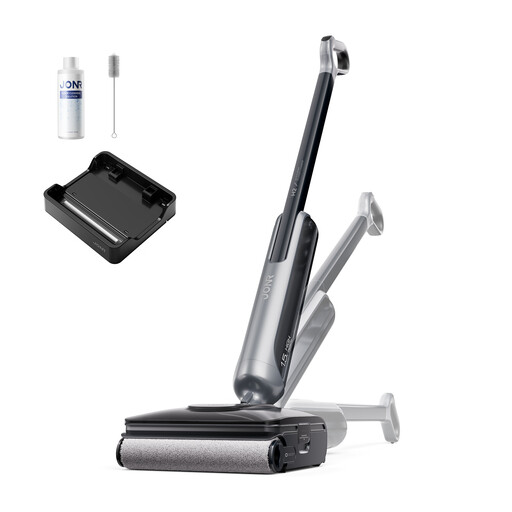
Why this choice suits this profile : Its cordless design combines vacuuming and mopping for everyday hard-floor cleaning, without having to switch between several appliances.
The advertised 20 000 Pa suction power provides a useful starting point, but following the usage recommendations is still essential: avoid thick carpets and water-sensitive floors.
Cordless design, vacuuming and mopping functions, plus a 180° recline as stated in the product listing.
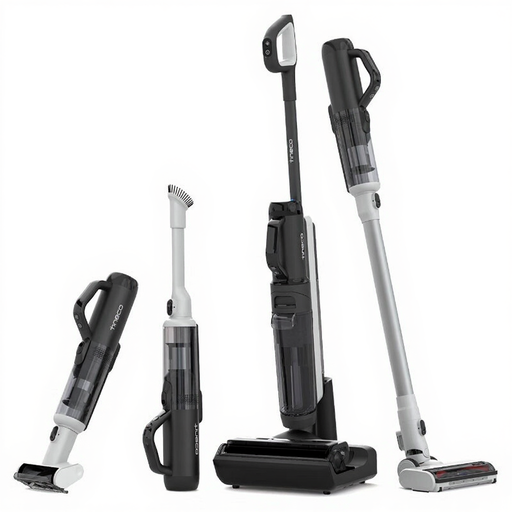
Why this choice suits this profile : It is designed for those who want a 2-in-1 appliance that can vacuum and mop, as well as a stick vacuum for other surfaces.
The charging station, self-cleaning function and separate tanks address maintenance requirements that are often overlooked.
Advertised battery life of up to 40 minutes in mopping mode, LCD screen, dirt detection and cleaning at 70 °C, according to the product listing.
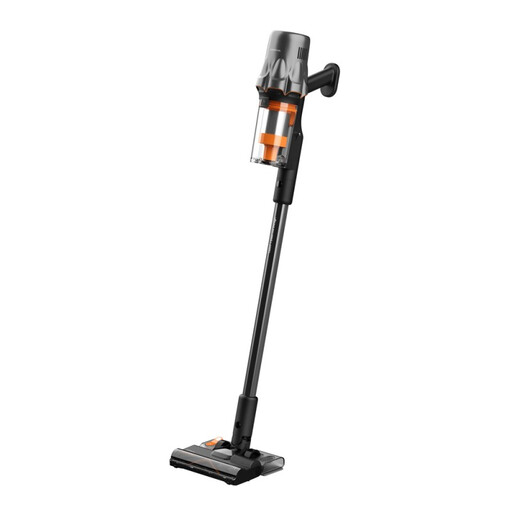
Why this choice suits this profile : Pet owners and those living in larger homes will appreciate its versatile design and advertised battery life of up to 60 minutes in vacuum mode.
The brush is advertised as tangle-resistant, while access to the various attachments makes it easier to pick up pet hair and clean narrow spaces.
Advertised 450 W motor, four power levels, six-stage HEPA filter and 0.56 L dustbin.
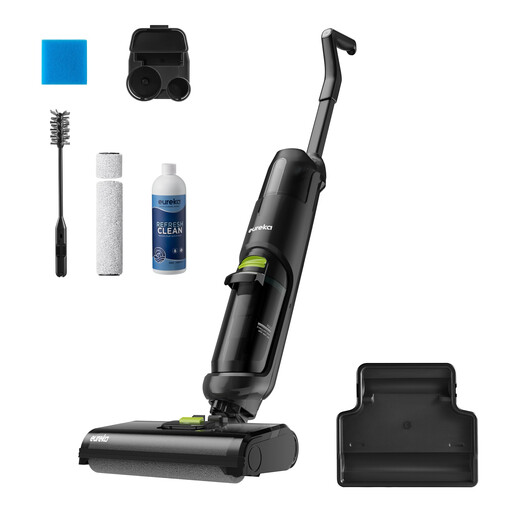
Why this choice suits this profile : Self-propulsion and the swivelling head can make repeated passes easier in the kitchen or living room.
The self-cleaning system rinses the roller and ducts, but emptying and drying the appliance after each use are still essential.
Separate tanks, cleaning for dry and wet dirt, advertised battery life of up to 30 minutes and a manufacturer’s warranty stated in the product listing.
We have selected a complete, real-time updated range of products that meet these strict criteria while complying with European safety regulations.
Yes, provided the flooring is treated and suitable for damp cleaning. Always consult the instructions, use the recommended amount of water and avoid waxed, oiled or unprotected floors unless the manufacturer confirms they are suitable.
You need to factor in electricity for recharging, water, compatible cleaning solution and the regular replacement of rollers, filters or batteries. Self-cleaning can reduce the time spent on maintenance, but it does not eliminate these consumables.
Yes. Empty the dirty-water tank, rinse the relevant parts and leave the roller to dry. This routine helps prevent unpleasant smells and contributes to maintaining the performance of your battery-powered floor cleaner.