
Livraison le jour même ou le lendemain

Qualité garantie

Débloquez vos offres de bienvenue: Livraison GRATUITE | Jusqu'à -80 % | 30 jours d'essai gratuits à JoyPlus
Téléchargez l'application
A cordless wet and dry vacuum cleaner sucks up dust, hair, pet fur and spilled liquids while cleaning hard floors. The problem is that product specifications often combine maximum runtime, suction power and automatic functions without explaining the conditions under which these figures were measured.
To avoid an unpleasant surprise, it is better to look at the appliance’s design, how it needs to be maintained after each use and whether it suits your home.
The maximum runtime is generally measured in the least energy-intensive mode. In Turbo mode, with a motorised brush and a high water flow, it can drop much more quickly. For a flat or family home, assess the following separately:
A model advertised with 40 minutes of runtime may be perfectly suitable for everyday cleaning, but less practical in a large, cluttered home.
Pascals indicate the stated suction pressure, but this figure alone is not enough to assess water recovery, roller design or the brush’s ability to clean close to skirting boards. A floor wet and dry vacuum cleaner must also separate clean water from dirty water effectively and keep the roller sufficiently damp as you clean.
The shape of the head, the circuit’s watertightness and the quality of the filtration also affect everyday use. If you have pets, check for an anti-tangle system, scraper or brush designed to limit the build-up of pet fur and hair.
Self-cleaning does not turn the appliance into a maintenance-free machine. After each cycle, you will generally need to:
Without this routine, moisture can cause unpleasant odours and gradually affect performance. A wet and dry vacuum cleaner with self-cleaning and hot-air drying can nevertheless make this chore considerably easier.
For a wet-and-dry stick vacuum, consider the runtime alongside the tank capacity. Tanks that are too small mean having to stop regularly, while a heavy appliance can quickly become tiring to use on stairs or when cleaning furniture.
As a guide, the models featured here have clean-water tanks ranging from 650 to 900 ml, with a separate dirty-water tank. Weight also varies considerably: some models weigh around 4.3 kg, while the most fully equipped appliances exceed 5 kg.
The brush should be able to follow skirting boards and walls as closely as possible. Claims such as “edge cleaning” or “edge-to-edge” are worth considering alongside a measurable distance when the manufacturer provides one. The Dreame H12 Dual, for example, states that it can clean up to 6 mm from skirting boards.
To clean under a bed or sofa, look for an adjustable handle or 180° flat operation. This feature does not remove the need to check the actual clearance available, or the maximum dirty-water level permitted when the appliance is used in this position.
A dirt sensor can automatically adjust the suction power or water flow. The display, voice alerts and app can sometimes make the appliance easier to use, but they may also add settings and updates to manage.
Also remember the consumables: rollers, filters, station bags, cleaning solutions and batteries. Only use products that are compatible with the appliance, particularly to avoid excessive foam forming in the water circuit.
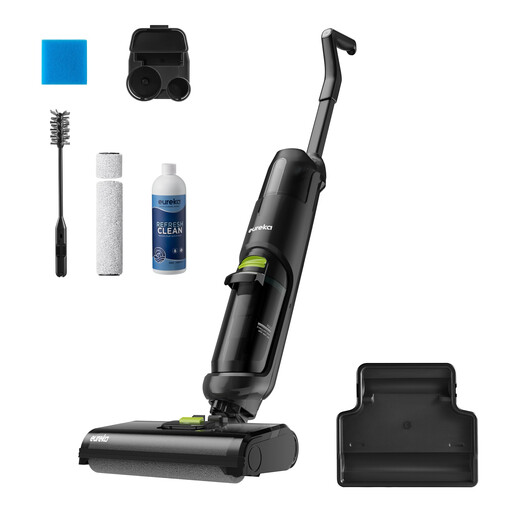
Why this choice suits this profile : Cordless, with two separate tanks and a self-cleaning function, it is ideal for everyday maintenance of sealed hard floors.
Clean and dirty water remain separate, while the automatic cycle rinses the roller and the duct after use.
Stated runtime of up to 30 minutes, self-propelled function and compatibility with several sealed hard-floor surfaces.
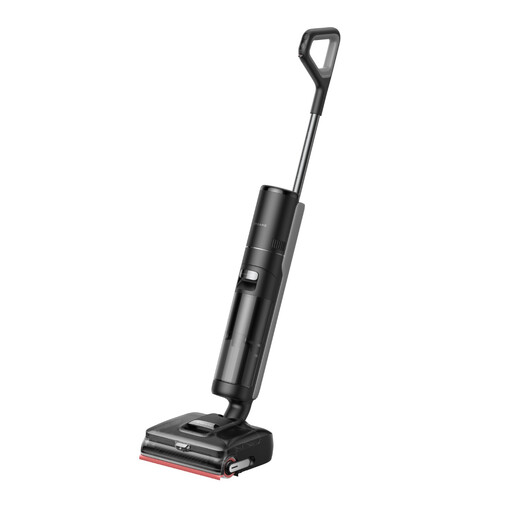
Why this choice suits this profile : Designed for households looking for a connected 2-in-1 vacuum cleaner that can detect dirt, clean flat and dry the roller with hot air.
The intelligent drying function, stated as taking between 5 and 30 minutes, means you do not have to put away a roller that is still damp, provided you follow the maintenance procedure.
Stated suction power of 21 000 Pa, 180° operation and a repairability rating of 8.5 out of 10 shown in its technical specifications.
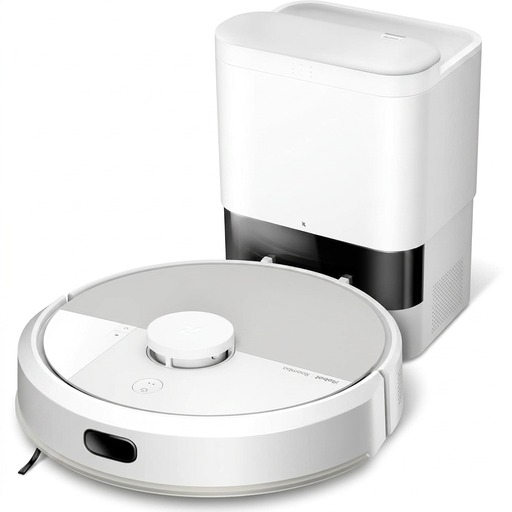
Why this choice suits this profile : This robot vacuum and mop is aimed at those who want to schedule floor cleaning and minimise manual emptying.
The AutoEmpty base stores dust in a 2.5 l bag, while carpet detection prevents carpets from getting wet during mopping.
LiDAR navigation, mapping for up to three levels and a stated runtime of up to 2 hours.
We have brought together a complete, real-time updated selection of products that meet these demanding criteria and European safety standards.
For a wet and dry vacuum cleaner for pet fur, prioritise an anti-tangle roller, an easy-to-remove brush and a washable filter. To vacuum up liquids or tackle sticky messes, choose an appliance designed as a wet and dry vacuum cleaner, with a separate dirty-water tank and continuous recovery.
A robot is convenient for regular floor maintenance, but a manual model is more effective for localised splashes, corners and the areas around pet bowls.
Yes, provided the parquet is sealed or specifically treated to withstand damp cleaning. Adjust the water flow in accordance with the instructions and avoid leaving water standing. Unprotected parquet, waxed floors and sensitive surfaces require extra care.
Allow a few minutes to empty the dirty-water tank, rinse the relevant components and start the self-cleaning cycle. Automatic drying reduces the amount of handling required, but the filters must be completely dry before being put back in place.
Not always. A robot is suitable for scheduled cleaning and large, unobstructed areas. A manual appliance is more effective on stairs, furniture, fresh stains and hard-to-reach areas. The right choice therefore depends on the layout of your home and the level of cleaning you expect.