
Livraison le jour même ou le lendemain

Qualité garantie

Débloquez vos offres de bienvenue: Livraison GRATUITE | Jusqu'à -80 % | 30 jours d'essai gratuits à JoyPlus
Téléchargez l'application
Switching to a cordless stick vacuum with an auto-empty station promises a small revolution in home cleaning: no more manually emptying dustbins, no more tangled cords, and no more finding the appliance out of battery when you need it. However, the market is saturated with promises that don't always hold up in reality. Before pulling out your credit card, it's crucial to know how to spot design flaws and misleading marketing claims that can turn a promising purchase into a costly disappointment.
We'll break down the 3 most common pitfalls for you and, most importantly, how to avoid them.
To make the right choice, focus on the features that truly matter in daily use. Here are the 3 non-negotiable points to scrutinise.
A station worthy of the name must do much more than just empty the dustbin. The best models integrate a complete ecosystem to minimise maintenance. Look for a UV auto-empty station, which uses ultraviolet light to sterilise the dust and allergens collected in the bag, preventing the growth of bacteria and bad odours. This feature is essential for homes with allergy sufferers or young children. The station must also provide reliable and fast charging so the vacuum is always ready to go.
Cleaning performance isn't just about raw power. A suction power of 30 kPa is an excellent indicator of its ability to handle demanding tasks, like vacuuming pet hair from carpets. However, this muscle must be paired with effective detection technology. A laser vacuum, for example, projects a beam of light parallel to the floor to reveal dust particles invisible to the naked eye. This visual aid helps ensure you don't miss any spots and optimises each pass, making cleaning both faster and more satisfying.
For families with pets or allergy-sensitive members, the quality of filtration is crucial. A multi-stage HEPA filtration system is a must-have. It should be capable of capturing at least 99.97% of fine particles down to 0.3 microns, including pollen, dust mites, and pet dander. Also, check the design of the main brush. A brush with an anti-tangle pet hair design uses special combs or fins to prevent long hair and fur from wrapping around it, ensuring consistent suction performance and sparing you the chore of manually detangling the brush.

Why it stands out: Built for homes up to 300 m?, it combines long battery life, 30 kPa of power, and a station that handles emptying, charging, and UV sterilisation. It's the all-in-one solution for minimal maintenance in a demanding environment.
It counters the tedious maintenance trap with its 5-in-1 station and anti-tangle pet hair brush. The green laser vacuum detection ensures no dust is missed, addressing the problem of poorly utilised power.
The integration of a complete maintenance station with UV sterilisation and laser dust detection technology makes it a nearly autonomous and perfectly hygienic cleaning solution.
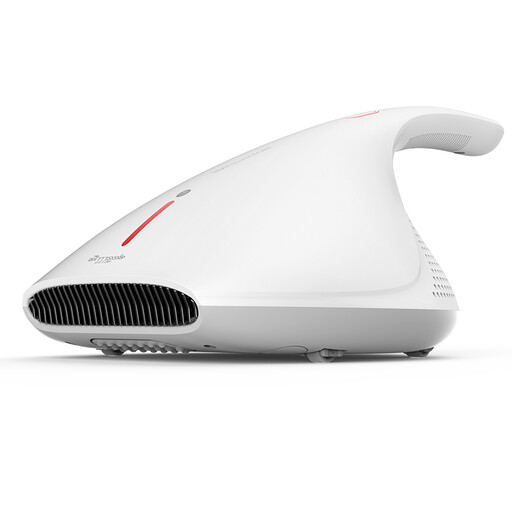
Why it stands out: Note, this is not a stick vacuum, but an indispensable specialist for allergy sufferers. It is designed for deep cleaning mattresses, sofas, and other upholstery where dust mites thrive.
It doesn't market itself as a one-size-fits-all miracle solution. It's an expert that tackles a problem conventional vacuums handle poorly, combining multiple technologies (high-frequency tapping, hot air, UV-C) for targeted and formidable action.
Its multi-action approach (suction, tapping, heat, UV) and its dual HEPA filtration make it a powerful ally for sanitising fabrics and drastically reducing exposure to dust mite allergens.
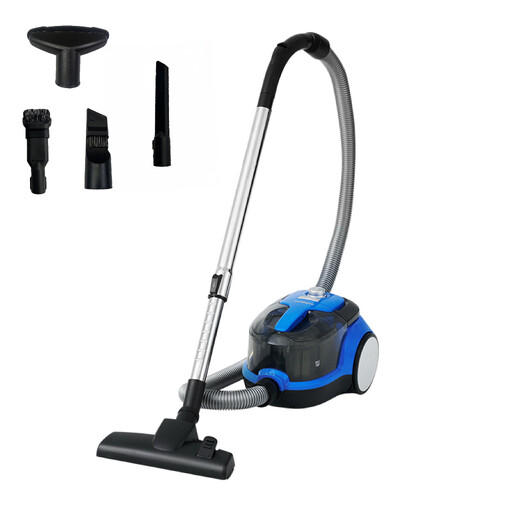
Why it stands out: For those who swear by consistent suction power and are watching their budget, this corded model remains a highly relevant alternative. It offers strong 17.5 kPa suction without ever worrying about the battery.
By definition, it shatters the trap of fluctuating battery life, since it's corded. Its power is constant from the beginning to the end of the cleaning session. The automatic cord rewind and washable filter simplify its use and maintenance.
An excellent price-to-performance ratio for a deep clean. Its bagless design and multiple brush attachments make it versatile for all types of floors and surfaces.
A good vacuum is one thing, but filter maintenance is just as crucial for sustaining its performance. Discover the solutions that make a difference.
The lifespan of a HEPA filter depends on the frequency of use and the type of dust being vacuumed. For typical household use, it's recommended to replace it every 6 to 12 months. Some filters are washable, which can extend their life, but it is imperative to let them dry completely before reinstalling them, otherwise you risk damaging the motor and promoting mould growth. A clogged filter significantly reduces suction power and the quality of the exhausted air.
For an apartment with mostly hard floors and no pets, a lower power rating may be more than enough. However, for a large home with carpets, rugs, and pet hair, high suction power like 30 kPa makes a real difference. It allows you to dislodge deeply embedded dirt from fibres and effectively pick up heavier debris, ensuring a spotless clean in a single pass.
What might seem like a gimmick proves to be an invaluable aid in practice. The low-angle lighting from a laser vacuum highlights dust and hair that ambient lighting doesn't reveal, especially on hard floors. This allows for more methodical cleaning and provides the satisfaction of knowing no spot was missed. It's a feature particularly appreciated by the most meticulous users or those who want to ensure their environment is as healthy as possible.