
Livraison le jour même ou le lendemain

Qualité garantie

Débloquez vos offres de bienvenue: Livraison GRATUITE | Jusqu'à -80 % | 30 jours d'essai gratuits à JoyPlus
Téléchargez l'application
A flawless lawn without lifting a finger? The promise is tempting. The cordless robotic mower makes this dream a reality: no more buried perimeter wires, just a quick setup for 100% autonomous mowing. But be warned—the market is full of marketing ploys that often lead to disappointment. As a product expert, my mission is to arm you with the knowledge to decipher spec sheets and choose the model that truly fits your garden and your standards.
Before you take the plunge, keep an eye out for these three classic traps:
To make the right choice, forget the marketing and focus on the features that really matter.
With no wire to guide it, the robot must navigate with pinpoint accuracy. Two technologies compete in this arena:
These are two crucial data points, provided you know how to read between the lines.
In day-to-day use, the quality of the app and the small, practical features make all the difference.
Rather than an endless catalogue, here are targeted solutions that meet specific needs, keeping in mind the pitfalls and criteria we've just discussed.
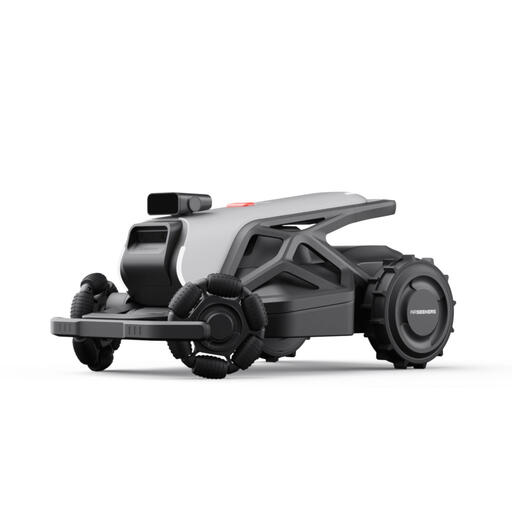
Why it's the right fit: Perfect for large gardens (up to 1800 m?) dotted with obstacles or slopes. Its technological arsenal will appeal to demanding users looking for a truly high-performance "set it and forget it" solution. The robotic mower deal makes it an opportunity not to be missed.
It fuses 300° AI vision with a GPS RTK robotic mower, allowing it to sidestep the pitfalls of haphazard navigation and faulty obstacle detection. Its ability to climb slopes up to 65% (33°) is ensured by robust drive wheels.
Its coverage as a large-area robotic mower (1800 m?), its automatic mapping via the app, and its IPX6 waterproof rating, which allows for simple cleaning with a garden hose.
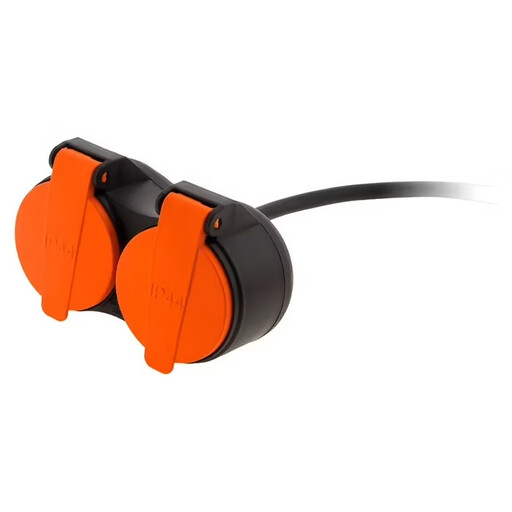
Why this accessory is essential: The robot's charging station needs power. This accessory is the solution for those who want to install the base in the perfect spot in the garden—even far from a wall outlet—without compromising on safety.
No more headaches from an installation dictated by the length of the original power cord. This extension cable gives you the freedom to place the base where the GPS signal is optimal or the robot's return is easiest, not just where the nearest outlet is.
Its IP44 certification protects it from water splashes, its H07RN-F cable is designed to withstand outdoor conditions, and its bright orange colour makes it highly visible to prevent trips.
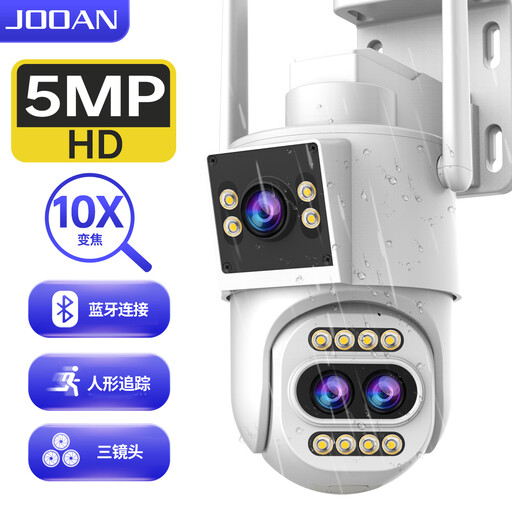
Why this is a smart accessory: For those who see their robotic mower as a valuable piece of tech to be protected, this camera lets you keep an eye on its work, check that everything is running smoothly in your absence, and secure the entire property at the same time.
It provides true peace of mind: a quick glance at your smartphone is all it takes to check that the robot isn't stuck or in trouble. Its auto-tracking function can even follow its every move within a specific area.
Its 360° vision (PTZ motorization), 10x optical zoom to see details from afar, and IP66 waterproof rating for worry-free outdoor installation. The bonus: dual-view to monitor a wide area and a specific point simultaneously.
A successful setup also depends on reliable and safe accessories. When it comes to powering your charging station or any other outdoor equipment, don't compromise.
Is a cordless robotic mower effective in a complex garden with trees? Yes, as long as you choose a model with intelligent navigation. An AI robotic mower equipped with cameras is ideal in this scenario: it identifies and navigates around tree trunks, flower beds, or garden furniture in real time, without you having to manually define exclusion zones.
What is the battery's lifespan, and how much does a replacement cost? A lithium-ion battery in a robotic mower typically lasts between 800 and 1000 charge cycles, which translates to several years of use. The replacement cost varies by brand and capacity, but it's a long-term expense to budget for. Our advice: opt for models where the battery is easy to replace yourself.
Is setting up a GPS RTK robotic mower complicated? No, it's actually much simpler than a model with a perimeter wire. You just need to place the charging station and its RTK antenna in a spot with a clear view of the sky. After that, the garden is mapped automatically via the app by simply guiding the robot along the boundaries during its first run. The whole process is usually finished in under an hour.