
Livraison le jour même ou le lendemain

Qualité garantie

Débloquez vos offres de bienvenue: Livraison GRATUITE | Jusqu'à -80 % | 30 jours d'essai gratuits à JoyPlus
Téléchargez l'application
The dream of a flawless lawn with zero effort is certainly appealing. The cordless robotic mower embodies this promise?: no more burying a perimeter wire. Instead, you get an autonomous machine that handles everything on its own. The problem is, the market is flooded with models offering inconsistent performance. The result?? Many disappointed buyers end up with a device that causes more problems than it solves.
Before you take the plunge, it's crucial to see through the marketing traps and distinguish a truly autonomous solution from a frustrating gadget.
To avoid making a mistake, focus on the features that truly make a difference. Here are the three pillars of a great cordless robotic mower.
The move away from perimeter wires has made navigation technology the number one criterion. The most advanced systems do more than just simple positioning.
Every garden is unique. Your robot must be able to adapt to it.
A connected mower should simplify your life, not complicate it. The app's user experience is as important as the robot's performance. A good app should allow you to?:
Keeping these criteria in mind, here are a few models that stand out and meet specific needs.
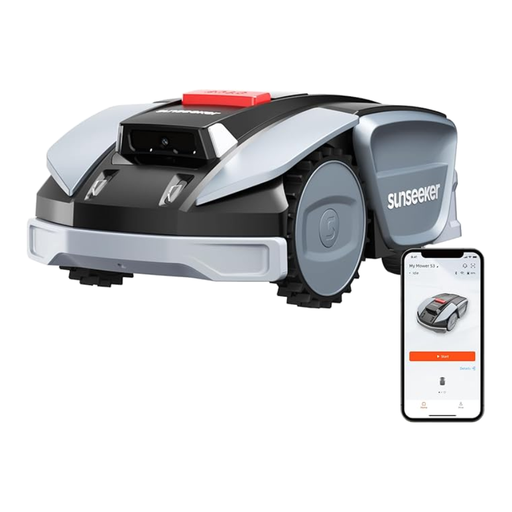
Why it stands out : Perfect for large gardens (up to 800 m?), it's aimed at users who demand top-tier performance and flawless autonomy. Its hybrid technology combines the best of both worlds for no-compromise mowing.
It overcomes the trap of imprecise navigation with its dual GPS RTK + AI Vision technology, ensuring perfect mapping and coverage without ever missing a spot.
Its multi-zone management and intelligent obstacle avoidance make it an ideal “set it and forget it” solution for large, complex properties.
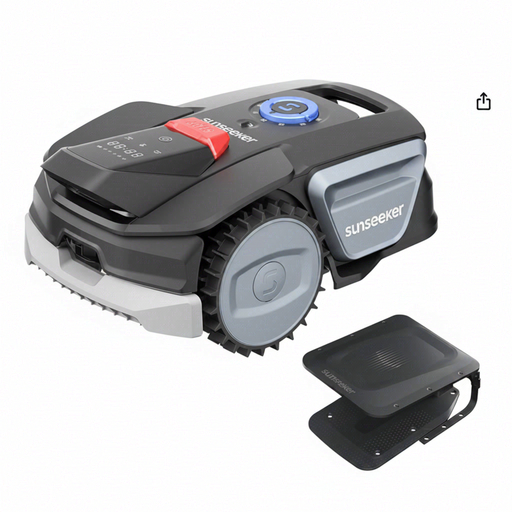
Why it stands out : Ideal for small to medium-sized gardens (up to 300 m?) that are often more cluttered. Its vision-based navigation excels at manoeuvring in tight spaces where obstacles are common.
It tackles the obstacle avoidance trap with its AI Vision, which actively identifies and bypasses objects to protect children's toys or gardening tools left on the lawn.
The included garage protects the robot from the elements, extending its lifespan. The "One-Tap Mowing" feature in the app makes it incredibly easy for daily use.
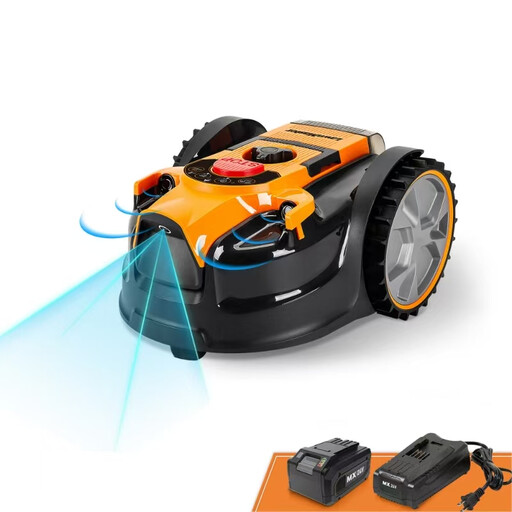
Why it stands out : An excellent entry point into the world of automated mowing. It's perfect for small lawns (up to 150 m?) and for those looking for a simple, wire-free, and affordable solution.
It avoids the complexity trap. Its wire-free design and ultra-simple "charge and go" operation make it accessible even for the most tech-averse users.
Its quiet operation is a major plus in dense residential areas. Its obstacle avoidance system, impressive for its category, ensures safe mowing.
We have curated a complete and up-to-date selection of robots that meet our demanding selection criteria and safety standards.
Yes, it's incomparably simpler than installing a wired model. You typically just need to place the charging station and RTK antenna in an open area, then initiate a first mapping run of the garden via the app. The process often takes less than 30 minutes, compared to the several tedious hours required to install a perimeter wire.
Absolutely, provided it has a multi-zone management feature. During the automatic mapping process, you can define different zones (for example, the front and back lawns, separated by a driveway). The robot will then know how to navigate autonomously between these areas to maintain your entire property according to the schedule you've set.
A well-maintained robotic mower has a lifespan of 5 to 10 years, depending on its build quality and usage conditions. The battery, considered a consumable part, typically lasts between 2 and 4 years. Rest assured, most brands offer replacement batteries, so you don't have to replace the entire unit. To preserve the battery and electronics, it is highly recommended to store the mower indoors during the winter.