
Livraison le jour même ou le lendemain

Qualité garantie

Débloquez vos offres de bienvenue: Livraison GRATUITE | Jusqu'à -80 % | 30 jours d'essai gratuits à JoyPlus
Téléchargez l'application
Precision DIY, model making, finishing 3D prints… Some projects demand a level of finesse that traditional tools simply can't provide. For engraving, polishing, or sanding delicate areas, the cordless mini rotary tool is the modern crafter's secret weapon. Compact, easy to handle, and versatile, it offers total control over the finest details.
But with so many models on the market, how do you make the right choice?? This guide gets straight to the point: we'll break down the essential criteria and present our selection of the best models, without the marketing fluff.
Before you commit to a model, keep an eye on these key technical features that will make all the difference in practice.
A good precision multi-tool should be a true Swiss Army knife. Its versatility rests on two pillars: its speed range and the variety of its accessories. Multiple speed settings are essential: low speeds for gently polishing fragile materials, and full power for grinding or cutting.
Also, check out the included sanding and polishing kit. The more bits it has (for engraving, drilling, brushing, etc.), the more varied the projects you can take on. Finally, a quick, tool-free accessory change system is a major plus that will save you precious time.
A mini rotary tool should fit in your hand like a pen. Its feather-light weight and good balance are crucial for a comfortable grip, much like an electric engraver pen. This is the key to working for long periods without fatigue and with surgical precision.
For a cordless tool, battery life is obviously the critical factor. A long-lasting battery that recharges quickly (ideally via a universal USB-C port) will prevent you from running out of power mid-project. Little extras, like LED charge indicators, are always appreciated for keeping track of your battery status.
Your project dictates the choice of tool. Are you a model-making enthusiast?? A mini drill for models with very small diameter bits will be your best ally. Do you spend your time fine-tuning your 3D-printed creations?? You'll need an effective 3D print finishing tool to sand away supports and smooth surfaces. Also, consider integrated LED lighting: it's not a gimmick, but a real advantage for working with precision in dark or hard-to-reach areas.
From theory to practice. Here are the models that caught our attention, each with its own strengths.
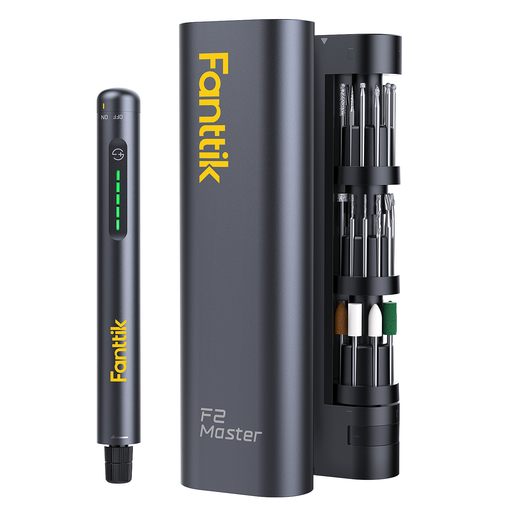
Why It Stands Out
The Fanttik F2 Master is built for precision. Its brushless motor reaches up to 25,000?RPM while remaining quiet and limiting heat buildup. Its key feature?? The Revostor Hub, an ingenious magnetic, rotating storage case that organises the 35 included accessories for instant access.
Advantages
Who Is It For? For demanding DIYers, model makers, and 3D printing enthusiasts who want a complete, high-performance, and perfectly organised rotary tool for engraving, sanding, polishing, and all their precision finishing work.
Is your project about more than just finishing touches?? Here are some alternatives that specialise in more conventional driving or drilling.
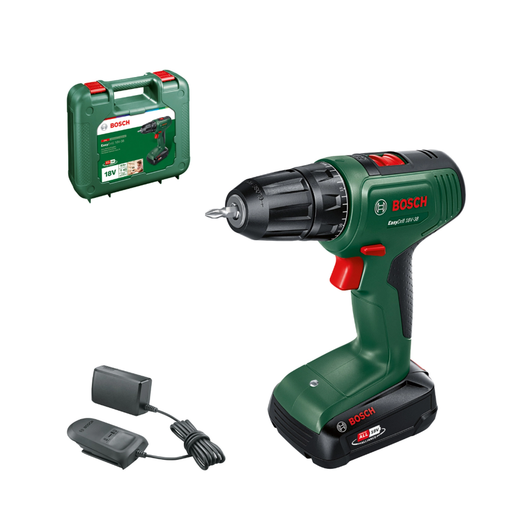
Why It Stands Out
Note, we're switching categories here: this is not a precision tool, but a compact and versatile cordless drill/driver. It's perfect for drilling and driving tasks in wood, metal, and plastic. Its 2-speed gearbox and 20 torque settings allow you to adjust the power for each material.
Advantages
Who Is It For? For those looking for a reliable drill/driver for common household tasks, from assembling furniture to installing shelves.
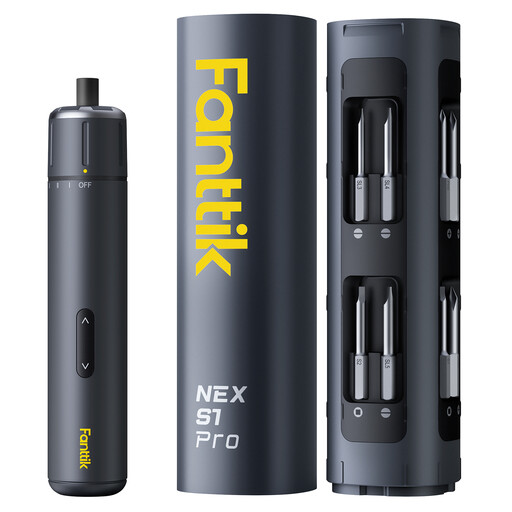
Why It Stands Out
This electric screwdriver is a specialist for driving tasks that require torque. With a maximum torque of 6?N.m, it's perfect for assembling furniture, building a PC, or any other job that requires precise and powerful tightening force.
Advantages
Who Is It For? For flat-pack furniture regulars, PC builders, and anyone who performs repairs that demand both powerful and controlled driving.
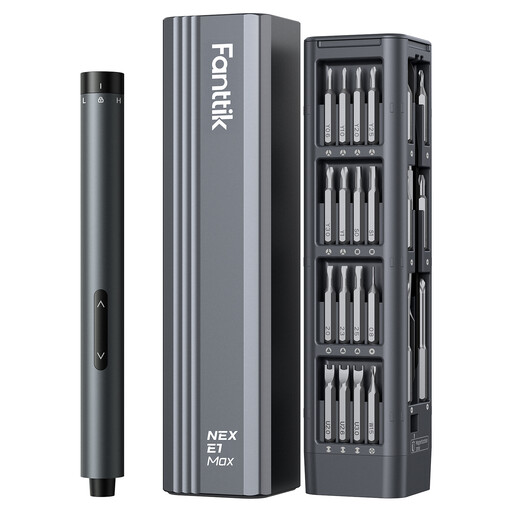
Why It Stands Out
Designed for electronics, this precision screwdriver offers very low torque settings (0.05?N.m and 0.2?N.m) to handle the tiny screws in smartphones, laptops, watches, or cameras without the risk of damage.
Advantages
Who Is It For? Electronic device repairers, technicians, and gadget enthusiasts who need a surgical-grade driving tool to avoid causing any damage.
If your projects require more muscle than a mini rotary tool can provide, it's time to look at conventional drills.
To discover a full range of tools suited for all types of jobs, take a look at our drills category.
What is a cordless mini rotary tool used for? It's a versatile tool for all finishing and precision work. It's mainly used for engraving on glass or metal, sanding small parts, polishing jewellery, grinding fine welds, cutting soft materials, or drilling tiny holes, especially in model making.
What's the difference between a mini rotary tool and a precision screwdriver? The difference is simple: speed and torque. A mini rotary tool spins at very high speeds (up to 35,000?RPM) to remove material (sanding, grinding, cutting). A precision screwdriver, on the other hand, turns slowly but with perfectly controlled torque to drive or remove screws without damaging anything. The first shapes material; the second assembles parts.
How do you maintain a precision multi-tool? To ensure it lasts, a minimum of maintenance is required. After each use, clean off any dust, especially around the ventilation grilles. Check the condition of your accessories and replace any that are worn out. For cordless models, follow the manufacturer's charging instructions and avoid leaving the battery completely empty for long periods.
By the Joybuy editorial team