
Livraison le jour même ou le lendemain

Qualité garantie

Débloquez vos offres de bienvenue: Livraison GRATUITE | Jusqu'à -80 % | 30 jours d'essai gratuits à JoyPlus
Téléchargez l'application
Hand fatigue after a long cutting session, cuts that lack precision in delicate fabric or thick cardboard... It's a familiar scenario for any crafting or DIY enthusiast. A simple sewing or scrapbooking project can quickly turn into a chore. That's where cordless electric scissors come in: a powerful solution to rediscover the joy of creating with clean, fast, and effortless cuts.
This guide is here to help you navigate the options and choose the perfect cutting tool for your needs. We will then review a selection of products designed to bring all your projects to life, whether you're working with fabric, leather, or cardboard.
Before you take the plunge, a few technical aspects deserve your attention. These are the details that will make all the difference in your daily use. Here are the three key points to consider to make the right choice.
At the heart of any cutting tool is, of course, the blade. For electric models, there are two main categories:
Always remember to check the compatible materials listed by the manufacturer. An excellent electric fabric cutter might struggle with thin metal. for maximum versatility, look for a model that can tackle fabric as well as leather, cardboard, and thin plastics.
Cordless means battery-powered, so battery life is a crucial factor. Most battery-powered scissors last between 1 and 3 hours of continuous use. To avoid running out of power in the middle of a project, good battery life is essential to prevent frustrating interruptions.
The charging system is also important. Rechargeable electric scissors with a USB Type-C port are becoming more common, which is excellent news. This universal standard allows you to use the same charger as your smartphone or tablet—a real everyday convenience. Also, be sure to check the full charging time.
A good tool should be comfortable, especially if you have limited hand strength. The device's weight and the shape of its handle should be looked at closely. A well-thought-out ergonomic design will reduce fatigue and improve your precision.
Safety is non-negotiable. Most models include a lock button that prevents accidental activation. This is an essential feature, especially if children might have access to the tool. A good precision cutter must combine efficiency with safety.
To help you make your choice, here is a selection of tools that cater to very different needs.

Why it stands out: This model is the archetype of the versatile and efficient electric rotary cutter. Its motor, which reaches 11,000 RPM, effortlessly slices through an impressive variety of materials. Its key feature? A self-sharpening blade that ensures flawless cuts over time, whether you're working with fabric, leather, cardboard, or even soft plastics. It's the perfect tool for easy cardboard cutting.
Pros:
Who is it for? Artisans, sewing fans, and crafters who juggle different materials. It's also perfect for anyone looking to relieve strain on their hands and wrists during repetitive cutting tasks.
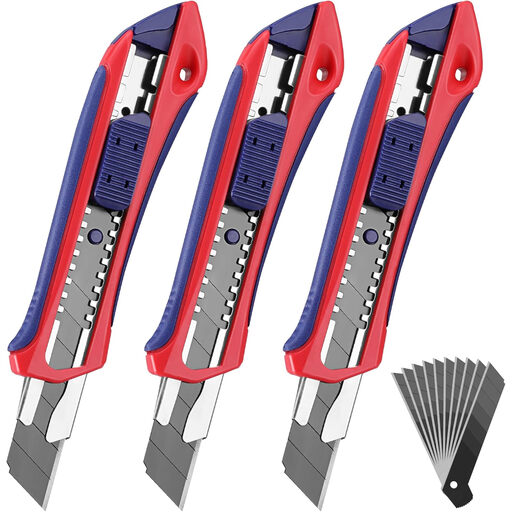
Why it stands out: While not an electric tool, this WORKPRO manual cutter set is a highly relevant alternative for precision work. Its SK5 carbon steel blades are renowned for their sharpness and durability. The ergonomic rubber handle ensures a secure and comfortable grip, which limits fatigue even over long periods.
Pros:
Who is it for? DIYers, warehouse workers, or crafters looking for a reliable and sturdy manual cutting tool for daily use. It's the ideal complement to electric scissors for all precision finishing touches.
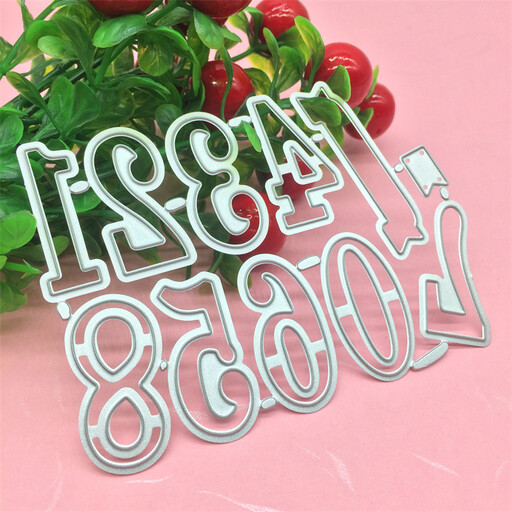
Why it stands out: Note that this is not a standalone tool, but an essential accessory for scrapbooking and card-making fans who already own a die-cutting machine. These metal dies allow you to cut impeccable letters and numbers from paper, cardstock, or felt. A crafting cutting tool purely dedicated to decoration and personalisation.
Pros:
Who is it for? Enthusiasts of scrapbooking, card making, and all paper arts who want to add a professional and unique finish to their creations.
Our selection covers a wide range of uses, from motorised cutting of tough materials to decorative finishes on paper. If you are specifically looking for tools for card making or scrapbooking, many other solutions are available.
To explore a wider range of paper trimmers, hole punches, and other precision instruments, feel free to browse our dedicated category.
Discover our full range of paper cutting tools
Absolutely. Most models, especially those with a powerful rotary blade like the GARTOL, are specifically designed to tackle thick fabrics like denim, felt, or even several layers of stacked cotton. Just remember to always check the product specifications to know its exact limitations.
It's all in the cutting mechanism. Classic electric scissors work like shears, with two blades that cross over each other, making them very agile for curves. The electric rotary cutter, on the other hand, uses a circular blade that rolls over the material. It's unbeatable for long, straight cuts, especially on textiles, because it prevents the fabric from distorting or puckering.
It all depends on the model. Some are equipped with self-sharpening blades that require almost no maintenance. For others, wiping with a dry cloth after each use is usually enough to remove fibre or glue residue. And when the blade starts to dull, most models allow you to replace it very easily, often without any tools.