
Livraison le jour même ou le lendemain

Qualité garantie

Débloquez vos offres de bienvenue: Livraison GRATUITE | Jusqu'à -80 % | 30 jours d'essai gratuits à JoyPlus
Téléchargez l'application
A cordless drill driver can be used to assemble furniture, put up a shelf, drill into wood or complete a decorating project. However, some purchases quickly show their limitations. An impressive specification sheet does not necessarily guarantee a tool that meets your everyday needs.
Before choosing a cordless drill, consider its real-world battery life, the precision of its torque settings and accessory compatibility. For finishing work, a mini rotary tool is in a different league from a cordless hammer drill designed for tougher materials.
An 18 V drill generally delivers more torque than a compact model, but it is also bulkier. For assembling furniture, everyday screwdriving or light drilling into wood and plastic, a 12 V drill can be more than sufficient. In between, a 16 V model offers an interesting compromise, provided you check the torque, battery and charger included.
Voltage alone is therefore not enough to distinguish between two tools. Also check:
A 100- or 145-piece accessory kit may seem like an obvious bargain. In practice, however, some bits may never leave the box. Check the shank diameter, compatible materials and whether the kit includes accessories that are genuinely useful for drilling, screwdriving, sanding or polishing.
With a multifunction rotary tool, the clamping diameter deserves particular attention. 2.3 mm accessories are not necessarily compatible with a standard drill-driver chuck.
A powerful tool that is heavy or poorly balanced can quickly become tiring during a long session. A non-slip handle, variable trigger and LED light make it easier to work inside furniture or in a poorly lit corner.
Also check whether the battery is removable or built in, whether the charger is included and whether the kit contains a second battery. A stated battery life in number of screws always depends on the material, screw diameter and setting used.
Torque is the force applied while driving a screw. A sufficiently precise setting prevents you from driving a screw too far into wood or damaging its head. For versatile use, several torque positions and at least two speed ranges provide much more comfortable control.
Variable speed lets you start drilling gently, work with plastic or use a small finishing accessory. A high speed is better suited to polishing or certain sanding tasks, while a moderate speed reduces the risk of heating sensitive materials.
A keyless chuck speeds up bit changes. Its capacity should match the drill bits you plan to use. A 10 mm model is sufficient for many household tasks, while a precision rotary tool generally accepts finer accessories.
Never force an accessory into a chuck that is not designed for it. For metal, wood or plastic, choose a suitable drill bit and follow the speed recommended by its manufacturer.
Lithium-ion batteries combine a compact format with convenient recharging. To compare two products, check their capacity in mAh, the number of batteries supplied and the stated charging time. A 2,000 mAh battery may be suitable for regular household tasks, but runtime varies considerably depending on the workload.
Wear safety goggles, keep clothing away from the rotating section and unplug the charger before carrying out any work. When using a cordless hammer drill, use accessories designed for this function and hold the tool firmly.
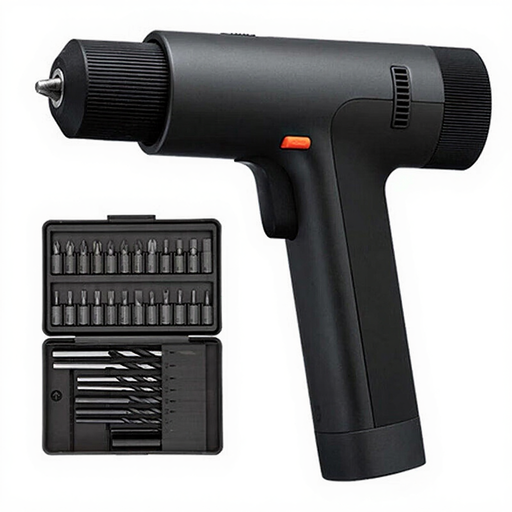
Why this suits this type of user : With its 12 V format and torque adjustment, it is ideal for assembling furniture, carrying out small repairs and everyday screwdriving at home.
The mode and speed display makes the settings easier to read. The pulse mode helps you start gradually on delicate materials.
Brushless motor, built-in 2,000 mAh lithium-ion battery, 30 adjustment positions and a stated maximum speed of 1,400 rpm.
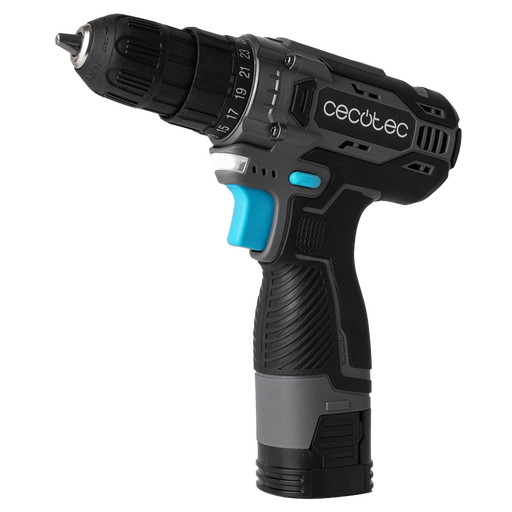
Why this suits this type of user : Its case, two batteries and stated torque of 38 Nm make it suitable for anyone switching between assembly, drilling and screwdriving.
The 25+1 torque positions reduce the risk of driving screws in too far. Before ordering, however, check the exact battery voltage in the product details, as some information on the kit also mentions 21 V.
Two 2,000 mAh batteries, 10 mm keyless chuck, work light and case with drill bits and screwdriver bits.
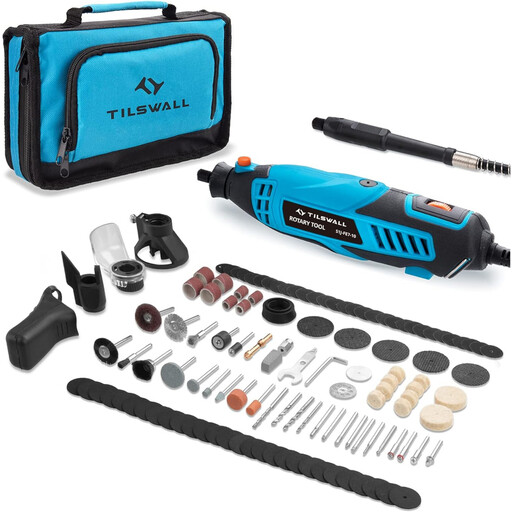
Why this suits this type of user : Designed for 3D printing and creative projects, this tool is suitable for sanding, engraving, polishing, cutting and precision drilling.
Its six speed levels let you adjust the speed to suit the material, rather than using the same speed for every task.
160 W motor, stated range of 8,000 to 33,000 rpm, LED light, auxiliary handle and 145 accessories.
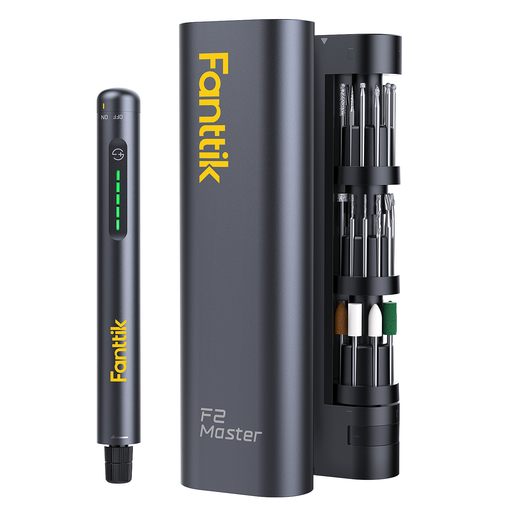
Why this suits this type of user : Weighing 100 g, this tool is ideal for detailed touch-ups, engraving, polishing and post-processing 3D-printed parts.
The five speed settings and front light make it easier to stay in control during small jobs, where a conventional drill can sometimes lack finesse.
Stated maximum speed of 25,000 rpm, USB-C charging, magnetic accessory holder and compatibility with 2.3 mm accessories.
We have brought together a complete, real-time updated selection of products that meet these exacting criteria and European safety requirements.
For assembling furniture, putting up shelves and carrying out everyday repairs, a 12 V or 16 V drill can be perfectly suitable. If you drill regularly or work with denser materials, focus instead on the torque, chuck capacity and battery life of an 18 V model. Voltage should never be your only consideration.
Usage time depends on the torque required, drill bit diameter, material being worked on and frequency of use. Store the battery in a dry place, protect it from extreme temperatures and use the charger supplied. A kit containing two batteries lets you carry on with your DIY while the first one recharges.
No. A mini rotary drill is designed for engraving, sanding, polishing, light cutting and finishing work. A drill driver is better suited to driving screws and drilling with conventional bits. The right choice therefore depends on your projects and the DIY accessories you need.