
Livraison le jour même ou le lendemain

Qualité garantie

Débloquez vos offres de bienvenue: Livraison GRATUITE | Jusqu'à -80 % | 30 jours d'essai gratuits à JoyPlus
Téléchargez l'application
A rechargeable appliance often promises more freedom, a real time-saver and easier storage. Yet some purchases disappoint from the very first use: limited battery life, incompatible accessories, power ratings that are hard to compare or a proprietary charger that’s impossible to replace.
When choosing cordless products for the home and DIY that are right for your home, it’s best to focus on how you’ll actually use them, battery life and safety. The figures on the packaging don’t always tell the whole story.
A high number of watts, revolutions per minute or kilopascals doesn’t necessarily guarantee the results you’re looking for. A cordless impact driver also needs suitable settings, a compatible chuck or bit holder and a battery that lasts long enough.
For a cordless handheld vacuum, bin capacity, filtration quality and accessories can matter just as much as maximum suction. So, always consider a kPa rating alongside the way you’ll use the appliance and the battery life you can expect at that setting.
Battery life usually depends on the power setting you choose. An appliance may last a long time on a reduced setting, but much less on maximum power. Check the following:
USB-C rechargeable appliances are handy for small jobs, but their power and run time are often more limited than those of a tool with an 18 or 21 V battery.
A washable filter, replaceable blade, standard bits or easy-to-find discs can significantly extend an appliance’s lifespan. On the other hand, a model with accessories that are difficult to replace can quickly become expensive.
For a cordless angle grinder, car polisher or cordless garden saw, also check the accessory diameter, the guards supplied and compatibility with parts available in the UK.
For a quick clean, a compact vacuum with 13 to 25 minutes of battery life may be all you need. For longer DIY jobs, two batteries let you alternate between using one and charging the other. A 3.0 Ah battery will generally offer more capacity than a lower-capacity model, but it also makes the appliance heavier.
The power should be suited to the job you have in mind:
A cordless appliance gives you more freedom to move around, but it can quickly become tiring if it’s heavy or poorly balanced. Look for a non-slip handle and an easy-to-reach trigger. For cutting tools, make sure there’s a guard and a safety lock.
For a rechargeable hair straightener or cordless iron, weight, stability and adjustable temperature are particularly important. A ceramic soleplate, clear display or 360° charging base can make the appliance more comfortable to use, but you’ll still need to follow the usual safety precautions.
Before buying, check for the CE mark, instructions in English and the contact details of the manufacturer or product’s responsible person. Never leave a heated appliance unattended, and allow it to cool down before putting it away.
A cordless angle grinder requires safety goggles, a suitable guard and compatible discs. A USB rechargeable soldering iron should be placed on its stand, away from flammable materials. A vacuum must not be used to pick up liquids, hot ash or combustible substances.
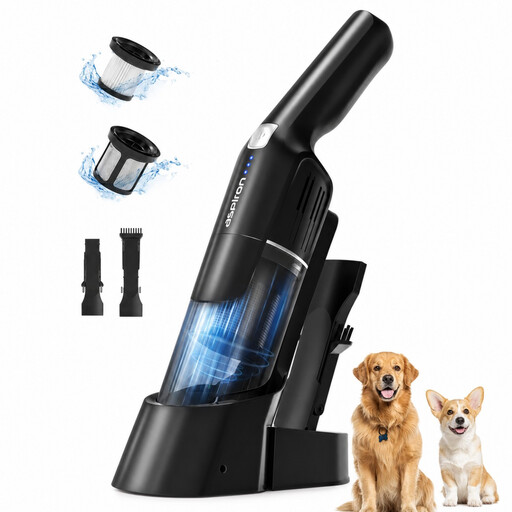
Why it’s a good match for this need: It’s ideal for quick everyday clean-ups in the car, on the sofa or around your desk, without having to get out a bulky vacuum cleaner.
Its two modes let you prioritise battery life or suction power, while the 500 ml dust container and washable filters help keep consumable costs down.
Advertised suction power of up to 24 kPa, 500 ml dust container, HEPA filter and accessories for crevices and upholstery.
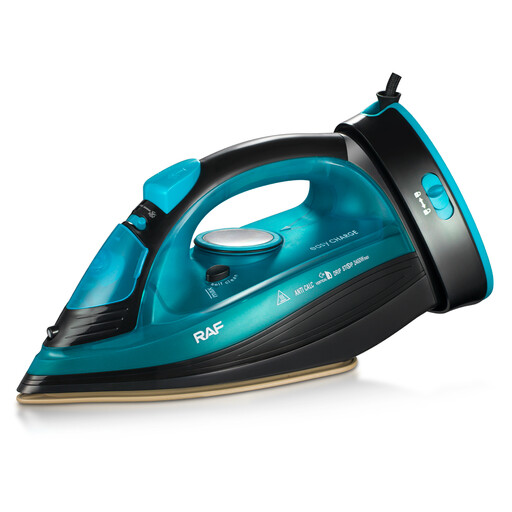
Why it’s a good match for this need: The charging base and cordless design make it easier to iron sheets, curtains and larger items at home.
The 360° base means you won’t have to wrestle with a cable, while the anti-drip function and self-cleaning feature tackle some of the most common maintenance issues.
Advertised power of 2,000 W, 320 ml water tank, ceramic soleplate and steam output of 15 to 25 g/min.
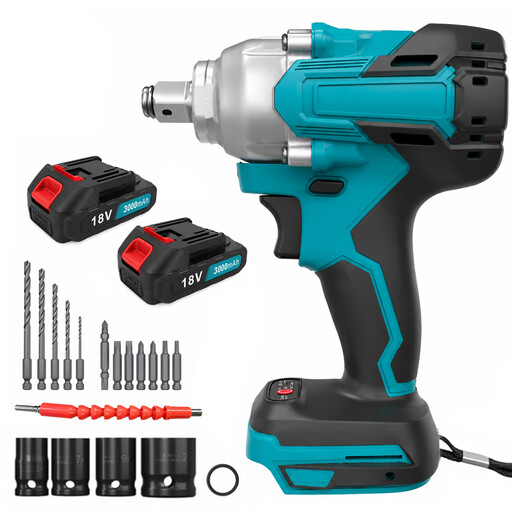
Why it’s a good match for this need: It’s suited to homeowners and DIY enthusiasts who switch between assembling furniture, drilling and working on their car.
Its three functions mean you don’t need several different tools, while the two 3.0 Ah batteries help reduce downtime on the job.
Advertised torque of 320 Nm, drill-driver and impact modes, with bits and drill bits included.
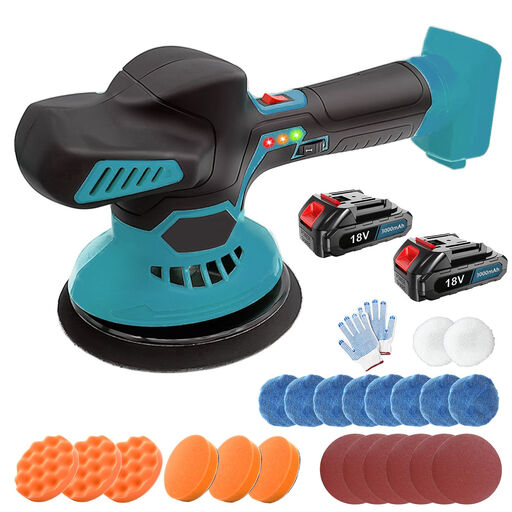
Why it’s a good match for this need: Its portable design suits drivers who regularly care for their car’s bodywork, wheels or parts of the interior.
Its six speed settings let you tailor the job to the surface, rather than applying the same power to every finish.
Two 3,000 mAh batteries, adjustable speed from 2,800 to 5,800 rpm and a 125 mm backing plate.
We’ve put together a comprehensive list, updated in real time, of products that meet these demanding selection criteria and European safety requirements.
Recharging a small household appliance generally uses very little electricity. The cost depends mainly on how often you use it, how long it takes to charge and whether the battery needs replacing. To keep costs down, don’t leave the charger plugged in all the time, and use the battery recommended by the manufacturer.
It varies depending on the battery, the number of charge cycles, heat and maintenance. Regularly cleaning the filter, lubricating the blade or storing accessories in a dry place can help extend an appliance’s lifespan. If you’ll be using a tool heavily, choose a model supplied with two batteries or with clearly identified replacement parts.
Cordless appliances are well suited to jobs on the move, touch-ups and places without a nearby socket. Corded models are still a good choice for long, continuous use, such as a lengthy ironing session or certain sanding jobs. The right choice depends on how long the task will take, how much freedom of movement you need and whether you have access to somewhere to recharge.