
Livraison le jour même ou le lendemain

Qualité garantie

Débloquez vos offres de bienvenue: Livraison GRATUITE | Jusqu'à -80 % | 30 jours d'essai gratuits à JoyPlus
Téléchargez l'application
A well-ventilated bedroom isn't always enough to keep the heat at bay during the night. The material of your pillow, the cover that encases it, and how easy it is to care for all play a part in your overall comfort. For those who tend to sweat at night, people prone to allergies, or anyone looking for better neck support, pairing a cooling pillow with a thermoregulating pillowcase can be a worthwhile solution.
However, you shouldn't take promises of coolness at face value. Here are the key criteria to consider before making your choice, along with a selection of models suited to different needs.
A pillowcase might feel cool to the touch without actually wicking away moisture over time. This sensation depends on the weave, the fibre used, and the airflow. A breathable pillow, with ventilation channels or a cover designed to limit heat build-up, is in a different league from a simple fabric that feels cold on first contact.
A 65 x 65 cm pillowcase won't fit an 80 x 80 cm cushion. If it's too small, it compresses the filling; too large, and it can create wrinkles and shift the support. Also, remember to check the height of the cushion, especially if you're opting for an adjustable or modular pillow.
This label doesn't mean you can skip checking the composition or the washing instructions. To limit the build-up of dust and residue, it's best to choose a removable cover and a machine-washable pillowcase, following the recommended temperature. The OEKO-TEX Standard 100 certification means the textile has been tested for certain undesirable substances, but it is by no means a medical guarantee.
Bamboo viscose is often appreciated for its soft feel and its claimed ability to absorb moisture. The models featured here use a bamboo viscose with a twill or dense weave. Nylon and elastane, on the other hand, can offer a stretchy surface that hugs the cushion better.
For bedding intended for people who get hot at night, be sure to check:
An ergonomic memory foam pillow can be suitable for those looking for more structured head and neck support. Back sleepers and side sleepers don't necessarily need the same height. With an adjustable filling, you can remove or add material to change the volume and firmness.
Viscoelastic foam provides a hugging sensation, while a modular pillow allows you to fine-tune the adjustment gradually. In both cases, check the shape, dimensions, and whether the cover can be removed for cleaning.
The 65 x 65 cm size is common for square pillowcases. The 80 x 80 cm offers a more generous surface but requires a suitable cover. For a zip-up pillowcase, measure the cushion once it has regained its full volume: its dimensions can change after unpacking or washing.
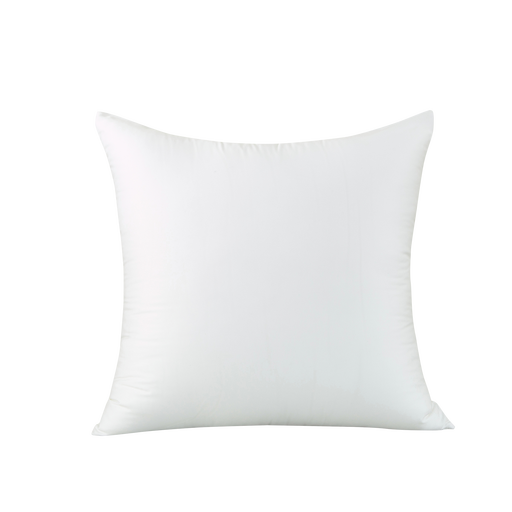
Why this choice suits this profile: This set of two bamboo pillowcases offers an affordable first step towards more breathable bedding, without having to replace the pillow you already use.
The 100% bamboo viscose composition and clearly stated size reduce uncertainty about the material and compatibility.
Soft twill fabric, claimed moisture-wicking properties, OEKO-TEX Standard 100 certification, and machine washable as per instructions.
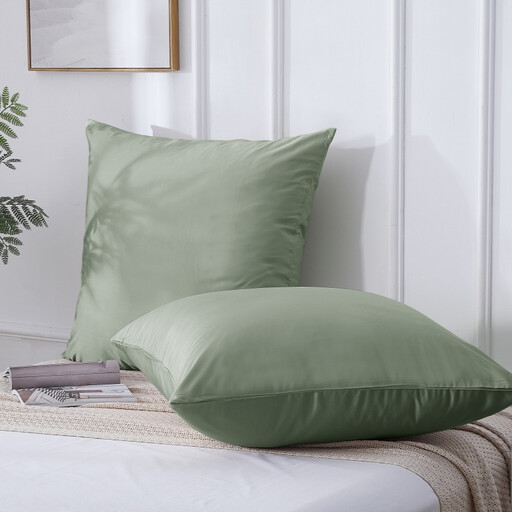
Why this choice suits this profile: The dense weave and the set of two pieces meet the expectations of those who value feel, finish, and having a rotation of bed linen.
The 80 x 80 cm size, zip closure, and composition are all detailed, making it easy to check compatibility before ordering.
Bamboo viscose, 300-thread count weave, protected zip, and OEKO-TEX Standard 100 certification.
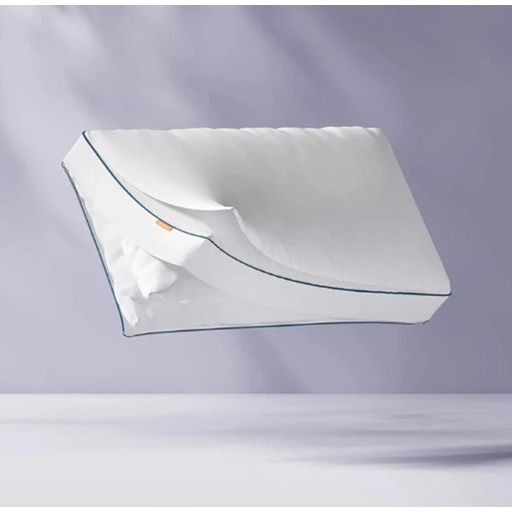
Why this choice suits this profile: Its adjustable filling is ideal for people who change position during the night or want to adjust the cushion's height over time.
The height and firmness aren't fixed: the modular filling can be adjusted to suit individual preferences.
60 x 60 cm size, thermoregulating and breathable cover according to the product page, adjustable filling, claimed hypoallergenic properties, and machine washable.
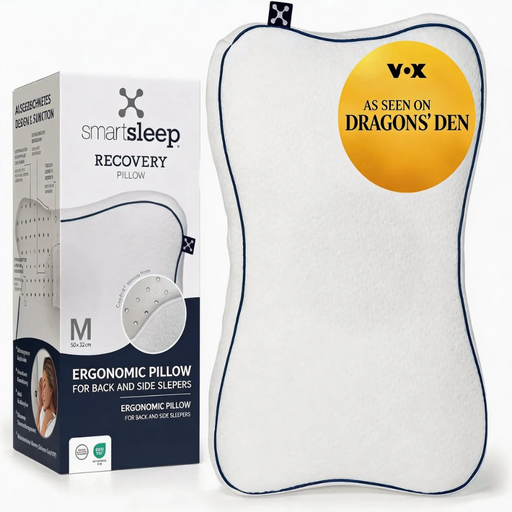
Why this choice suits this profile: Its ergonomic shape and memory foam core are designed for back and side sleepers who need firmer support.
The product page details the material, the shape with a head-rest zone, and the sleeping positions the model is intended for.
Viscoelastic foam, integrated air channels according to the description, breathable materials, and OEKO-TEX certification mentioned.
Wash the pillowcase following its care label, with similar colours and without exceeding the recommended temperature. The bamboo models featured here are machine washable and can be tumble dried on a low setting. Nylon and elastane versions generally require a delicate cycle at 30°C, without bleach, a high spin, or a tumble dryer.
Air the pillow regularly and use a washable protector if the manufacturer allows it. Its lifespan depends on the type of filling, how often it's washed, and the gradual loss of volume. Replace it when it stays misshapen, has sagging areas, or no longer regains its support after being aired.
It can change the sensation on contact and help wick away moisture depending on the material used, but it won't replace a properly ventilated bedroom or a breathable pillow. For people who get hot at night, pairing a suitable cover with a filling that allows air to circulate is more effective.
Measure your pillow and refer to the dimensions given by the manufacturer. The 65 x 65 cm size suits a relatively compact square cushion. The 80 x 80 cm offers more surface area but requires a pillow that's large enough to avoid wrinkles.
It depends on the model. Some pillows, like the Emma Original Confort featured here, are advertised as machine washable. For others, only the cover can go in the machine, while the core must stay away from water. When in doubt, the care label is your best guide.