
Livraison le jour même ou le lendemain

Qualité garantie

Débloquez vos offres de bienvenue: Livraison GRATUITE | Jusqu'à -80 % | 30 jours d'essai gratuits à JoyPlus
Téléchargez l'application
When temperatures rise, bedding that is too thick, poorly breathable or difficult to care for can turn the night into a series of awakenings. People prone to night sweats, hot flushes or simply looking for a lighter feel often turn to cooling bed linen.
However, not all claims of freshness are equal. Here are the criteria to consider before buying a lightweight summer duvet, cooling blanket, bamboo pillowcase or microfibre bedding set.
A fabric may feel cool to the touch without maintaining a comfortable temperature throughout the night. The sensation depends in particular on the material, weave, humidity and room temperature.
To assess how well bedding regulates temperature, it is best to look at specific details: filling weight, stated breathability, moisture absorption capacity and thickness. A very thin blanket may be perfect in the height of summer but reveal its limitations between seasons.
Sweating means washing more frequently. An item that cannot be machine washed or requires particularly delicate care can quickly become a chore in everyday use. Check the maximum washing temperature, drying conditions and products to avoid.
Machine-washable bed linen is generally the most practical for regular use, provided you follow the manufacturer's recommendations to protect the fibres and colours.
A 150 × 200 cm duvet is not suitable for every bed, just as a 200 × 200 cm cover is not right for every duvet. An oversized pillowcase may crease, while one that is too snug can compress the pillow.
Before placing your order, measure the duvet, mattress and pillows. Also check what is included in the set: some offers contain two pillowcases, while others include a duvet cover with two pillowcases.
Bamboo viscose is valued for its smooth feel and moisture-absorbing properties highlighted by manufacturers. A bamboo pillowcase may therefore suit people looking for a soft, cool surface against the face.
Microfibre, generally made from polyester, feels soft, dries quickly and is easy to care for. However, it does not automatically mean a cooler feel: its density and weave also affect how warm it feels.
Nylon and elastane blends provide a degree of stretch. They fit the shape of the pillow more easily, but their washing instructions must be followed precisely.
When choosing a lightweight summer duvet, compare the overall weight and thickness rather than relying solely on the word “cooling”. A thin blanket is suitable for warm bedrooms and people who find bulky materials uncomfortable.
A reversible model can also offer greater flexibility. In the selection below, one side provides a cool feel, while the other has a more neutral texture, allowing you to switch according to the season or your preferences.
The OEKO-TEX Standard 100 label indicates that the textile has undergone checks for certain undesirable substances. It is not a medical claim and does not replace checking the composition, conditions of use and care instructions.
If you have sensitive skin, also prioritise soft surfaces, even stitching and protected fastenings. Wash the bed linen before first use if recommended by the manufacturer.
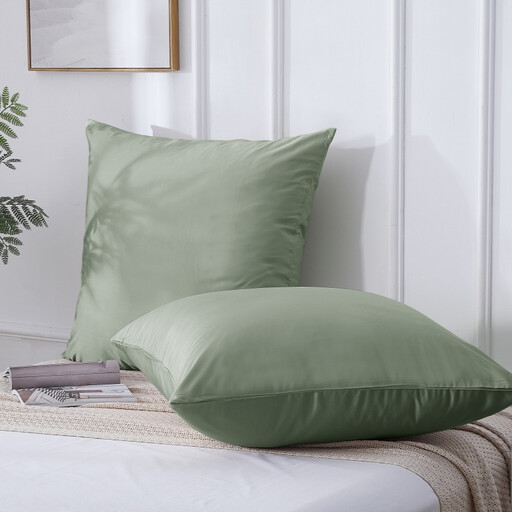
Why this choice suits this profile : Measuring 80 × 80 cm and made from bamboo viscose, these pillowcases are designed for users who care about feel, finishing and softness.
The product information specifies a composition of 100 % bamboo viscose, a dense 300-thread weave and a protected zip fastening.
Set of two pillowcases, silky feel, machine washable and OEKO-TEX Standard 100 certification stated on the product page.
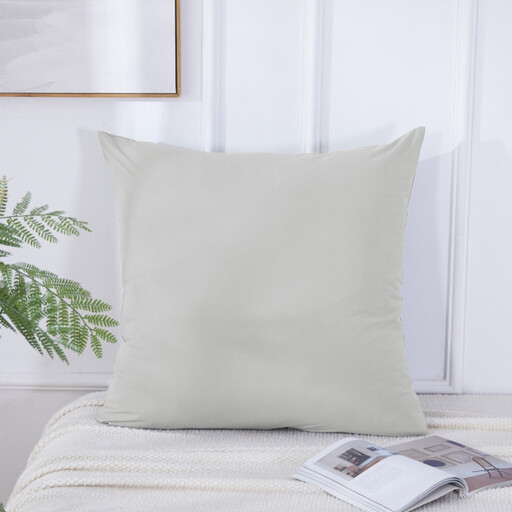
Why this choice suits this profile : Measuring 80 × 80 cm, this pillowcase may suit people looking for a stretchy, well-fitting surface that is easy to replace when washed frequently.
The composition is clearly detailed: 90 % nylon and 10 % elastane. A gentle wash at 30 °C is also specified.
Stretch fabric, zip fastening, stated cooling feel and OEKO-TEX Standard 100 certification mentioned.
We have put together a complete, real-time updated selection of products that meet these strict criteria and European safety regulations.
Bamboo viscose, certain microfibres and lightweight synthetic knits can be good options. Compare the composition, weave, feel and washing instructions. No single material can guarantee a comfortable temperature for every sleeper.
It depends on the model. The products featured indicate that they are machine washable, with different instructions: a cold delicate cycle or a maximum temperature of 30 °C. Fasten the zip before washing and avoid high-temperature drying where this is not recommended.
Lifespan depends on how often it is washed, drying conditions and the condition of the fibres. Replace the item when the filling clumps, the fabric becomes damaged, the stitching comes undone or odours persist after washing. Following the care recommendations helps preserve the shape and comfort of your bed linen.