
Livraison le jour même ou le lendemain

Qualité garantie

Débloquez vos offres de bienvenue: Livraison GRATUITE | Jusqu'à -80 % | 30 jours d'essai gratuits à JoyPlus
Téléchargez l'application
Ventilating the bedroom is not always enough to prevent night sweats. Your choice of sheets, pillowcases and duvet directly affects how warm you feel, how well moisture is drawn away and how easy the bedding is to care for. To find cooling bed linen, however, it is best to look beyond simple claims such as “ice-cool effect” or “temperature-regulating fabric”.
Some marketing promises can be misleading. Here are the main pitfalls to avoid before you buy, followed by the criteria to consider based on your needs and habits.
A fabric can feel cold to the touch without effectively drawing away moisture. This sensation often depends on the structure of the fibre, the room temperature and your skin. If you sweat easily, look instead for a breathable textile and a moisture-wicking fabric, checking its composition and care instructions.
A pillowcase that is too small will pull on the pillow and quickly lose its shape. An ill-fitting duvet cover can also crease or allow the duvet to slip around inside. Check the exact dimensions, the type of fastening and whether interior ties are included.
Sizes vary between models: a 65 × 65 cm pillowcase will not fit an 80 × 80 cm pillow. Likewise, a 200 × 200 cm duvet cover must match the dimensions of your duvet and bed.
The OEKO-TEX Standard 100 label means that the textile has been tested for certain undesirable substances in line with the requirements of the standard. It does not mean that the product treats allergies or guarantees a therapeutic effect. If you have sensitive skin, also consider the softness of the fabric, the quality of the stitching, the dyes used and whether it can be washed regularly.
Bamboo bed linen, generally made from bamboo viscose, is valued for its smooth feel, light weight and claimed ability to manage moisture. The fabric construction and weave also play a role: a twill weave can provide a soft, even surface.
Microfibre, often made from polyester, dries quickly and is less prone to creasing. It can be practical for everyday use, but comfort depends on its density and finish. A microfibre bedding set therefore does not necessarily offer the same breathability as a textile made from cellulosic fibres.
For summer, choose a lightweight duvet cover or a cooling summer duvet with a thin filling. A reversible model, with one side offering a cool feel and the other a softer finish, lets you adapt the feel according to the temperature.
A very thin blanket may be enough in a well-heated bedroom, but it will not replace a warmer duvet when nights turn cooler. Also remember to check the total weight and washing instructions.
Washing frequency is particularly important if you are prone to night sweats or hot flushes. In particular, check:
A zip fastening can make fitting easier, while corner ties stop the duvet from moving around too much. To protect the fibres, always follow the instructions on the care label.

Why this choice suits this profile : This set includes a 200 × 200 cm duvet cover and two 80 × 80 cm pillowcases. It is ideal for putting together a complete bedding set for the first time, with a zip fastening and machine-washable fabric.
The dimensions and composition are clearly stated, helping you avoid choosing a set that is incompatible or difficult to care for.
Microfibre made from 90 % polyester, zip fastening and OEKO-TEX Standard 100 certification stated on the product page.
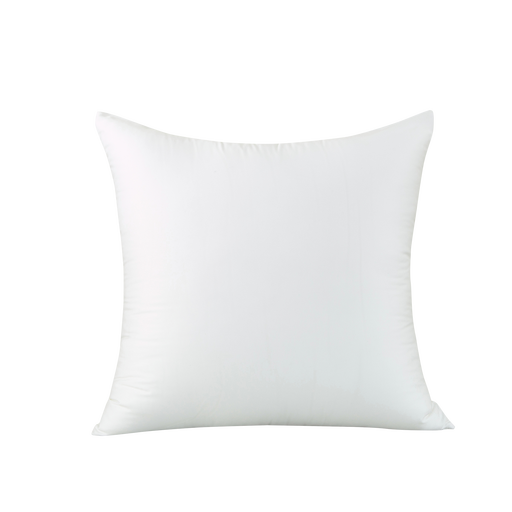
Why this choice suits this profile : These two 65 × 65 cm pillowcases are designed for anyone who prefers a smooth, soft and lightweight surface against their face and hair.
The product page specifies the material, weave and size, so the cooling feel is not promoted without supporting technical information.
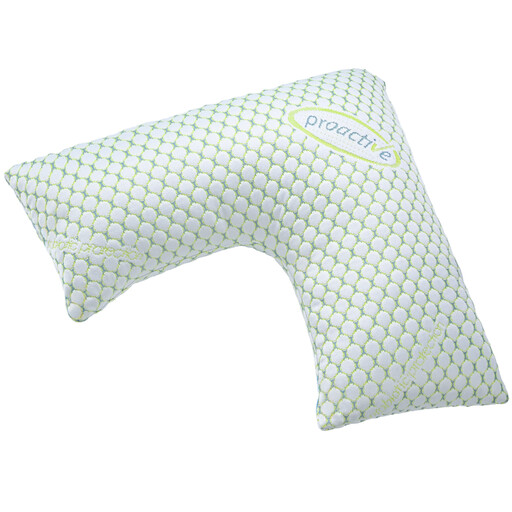
Why this choice suits this profile : Its V shape can support your bump, neck or back while you rest. It is a comfort accessory to choose according to your usual sleeping position and personal preferences.
The removable cover means you do not have to wash the entire pillow after every use, making regular care easier.
Air-layer fabric, PP cotton filling and removable cover that can be washed separately.
Even a well-chosen textile becomes less effective in a room that is too humid or poorly ventilated. Air the bedroom for a few minutes in the morning, let the bed linen dry completely and avoid covering the bed with a thick blanket during the day.
If you often feel hot at night, keep two sets of pillowcases so that you can wash them more frequently. Wash delicate fabrics with similar colours, use a moderate temperature and avoid products that could damage the fibres.
Bamboo viscose and certain technical textiles are often appreciated for their cool feel and ability to manage moisture. Microfibre can be a good choice because it dries quickly and is easy to care for. Comfort nevertheless depends on the weave, thickness and bedroom temperature.
It can improve comfort around your face and head, but it will not change the heat retained by your duvet or mattress. For a more consistent result, pair a suitable pillowcase with a lightweight cover or thin blanket.
Follow the stated temperature recommendations, avoid overloading the washing machine and keep zips away from delicate fabrics. Drying everything completely before storing it also helps to limit residual moisture and unpleasant odours.