
Livraison le jour même ou le lendemain

Qualité garantie

Débloquez vos offres de bienvenue: Livraison GRATUITE | Jusqu'à -80 % | 30 jours d'essai gratuits à JoyPlus
Téléchargez l'application
A computer that runs hot, drinks that warm up too quickly or a bottle of wine stored at the wrong temperature can quickly turn a practical purchase into a regrettable expense. Cooling solutions cover a wide range of needs, from CPU coolers, air coolers and PC liquid cooling to portable mini fridges, electric cool boxes, wine coolers and extra cooling appliances for the home or office.
Before comparing models, it’s worth knowing the most common pitfalls to avoid.
A thermoelectric mini fridge may quote a temperature difference relative to the surrounding air. That doesn’t necessarily mean it can freeze food. Some portable appliances cool to a few degrees below room temperature, but never match the performance of a compressor fridge.
For an appliance you plan to take with you, check:
The stated capacity doesn’t always reflect the usable space. In a wine cooler, the shape of the bottles, the shelves and the space needed for ventilation can all reduce the available volume. For an electric cool box, the internal dimensions are often more useful than the litre capacity alone.
Remember to measure the space where you plan to put it, allowing for its depth and the clearance needed around the air vents.
A CPU air cooler may be compatible with your motherboard socket but still be too tall for your case. Likewise, a PC liquid cooler with a 360 mm radiator needs a suitable mounting space in the chassis.
Before placing your order, check:
For a desktop computer, compatibility with Intel or AMD sockets is essential. For example, the MSI MAG Corefrozr AA13 models list compatibility with Intel LGA 1700/1851 and AMD AM4/AM5, and have a height of 152 mm. You must compare this with your case’s specifications.
The stated TDP doesn’t guarantee a specific temperature. It’s mainly a useful guide for comparing the thermal load a cooler can handle under the conditions set by the manufacturer. Case airflow, thermal paste and ambient temperature also affect the results.
A quiet cooler is particularly useful in a bedroom, office or set-up used for recording videos. Compare the dB(A) figures and check whether they refer to the fan running at full speed or to another test condition.
Figures on product pages are primarily there to help you compare models. In practice, noise levels depend on the fan speed, PWM profile and the case’s overall ventilation.
For a campervan, car or trip, choose a 12 V/220 V cooler if you plan to use it both with mains power and a car socket. Check the type of plug supplied, the power required and any precautions to take when the appliance is connected to a vehicle.
Make sure the capacity suits how you’ll use it:
For a wine cooler, also check the temperature zones, cooling type, ventilation, installation type — freestanding or built-in — and noise level.
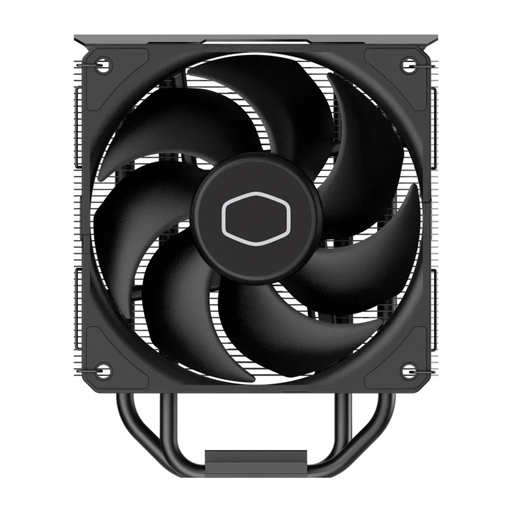
Why it suits this type of user: This CPU air cooler offers a simple way to improve cooling in a compatible desktop computer, without the hassle of a complex installation.
Its product specifications list the compatible Intel and AMD sockets, as well as its 152 mm height, so you can quickly check whether it will fit in your case.
Four direct-contact heat pipes, a 120 mm fan, a PWM connector and thermal paste included.
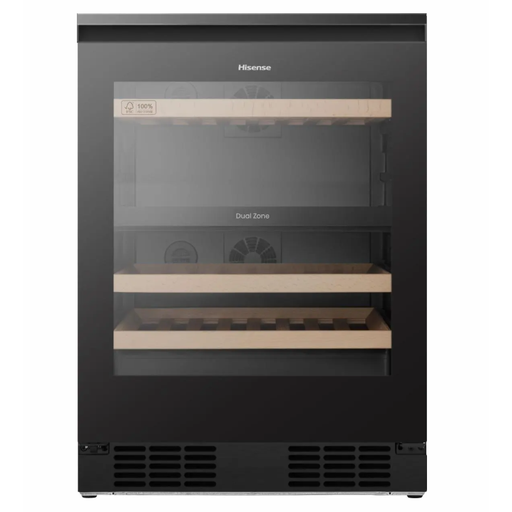
Why it suits this type of user: This wine cooler is ideal for households looking to organise a sizeable collection in a dedicated appliance.
Its two independent zones, temperature range of 5 to 20 °C and wooden shelves let you tailor storage to different types of bottle.
Stated capacity of 128 litres, space for up to 46 bottles, UV-resistant glass door, Wi-Fi and a stated noise level of 37 dB(A).
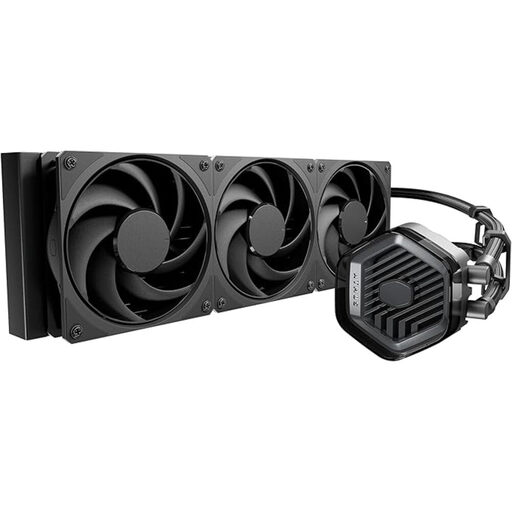
Why it suits this type of user: This PC liquid cooler is designed for systems that need a 360 mm radiator and thermal management suited to sustained use.
With a radiator measuring 394 × 119,2 × 27,2 mm, you’ll need to check the dimensions and available mounting points in the chassis carefully before installation.
Compatible with Intel LGA 1851/1700 and AMD AM5/AM4, three 120 mm fans and a pump rated at 25 dBA.
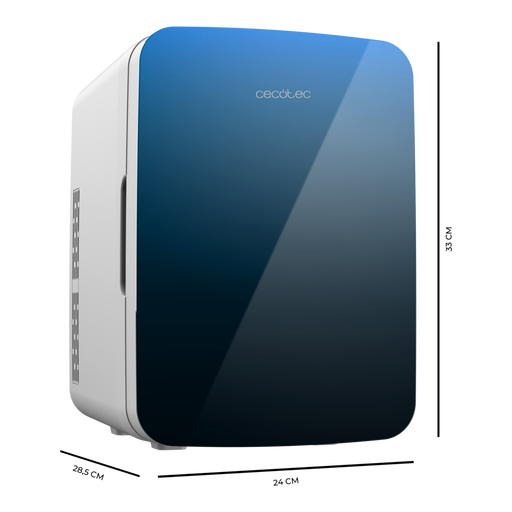
Why it suits this type of user: Its compact size is ideal for travellers, campervan owners and anyone who wants to keep a few drinks cool in a bedroom or office.
The dual 12 V and 220 V power supply is clearly specified, along with a stated temperature range of 7 to 65 °C. However, bear in mind the limitations of a portable appliance.
We’ve put together a comprehensive, regularly updated selection of products that meet these strict criteria and European safety requirements.
For a standard set-up, an air CPU cooler is usually enough, as long as you check the socket and the available height in your case. If your processor is more demanding or under sustained load, consider a model with several heat pipes, or even a PC liquid cooler if your chassis can accommodate its radiator.
Not necessarily. A thermoelectric model is handy for drinks and travel, but it may not freeze food and may not be suitable for storing raw meat, dairy products or other highly perishable foods for extended periods. Always read the instructions and follow the manufacturer’s stated usage limits.
Choose a capacity that suits your needs, avoid opening the door too often and make sure the air vents are clear. If you’re using a 12 V appliance in a vehicle, check the battery condition and the manufacturer’s recommendations too. On a computer, a properly configured PWM profile and a well-ventilated case can stop the fans running at full speed unnecessarily.