
Livraison le jour même ou le lendemain

Qualité garantie

Débloquez vos offres de bienvenue: Livraison GRATUITE | Jusqu'à -80 % | 30 jours d'essai gratuits à JoyPlus
Téléchargez l'application
Whether for a picnic in the woods, a day at the beach, or just carrying lunch to the office, the cooler backpack has become an essential accessory for keeping food and drinks cold. Yet, the market is flooded with models that make tempting promises but are bitterly disappointing in practice. A leaky bag, lukewarm food after just two hours, or straps that dig into your shoulders... a dream outing can quickly turn into a nightmare. To avoid getting duped, here’s how to sidestep the most common marketing traps.
Here are the 3 hidden flaws that make an insulated backpack almost unusable for daily life:
To avoid these disappointments, ignore the marketing speak and focus on a few key technical points. These are the true guarantors of the quality and durability of your future insulated backpack.
The performance of a picnic cooler bag depends on its ability to block heat transfer. It all comes down to the quality of the lining and the insulating layer.
Don't just trust the "waterproof" label. You need to distinguish between two levels of protection:
Comfort is paramount, especially if you plan on walking.
To help you see more clearly, we've selected a few models that tick all the right boxes, each tailored to a specific need.
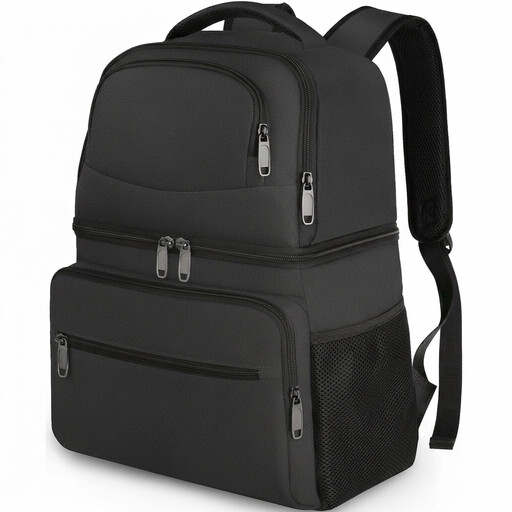
Why it's a perfect match: Ideal for day hikes, fishing trips, or festivals. Its dual-compartment design allows you to separate drinks and ice from dry food, offering optimal organisation for those who enjoy long excursions.
Its PEVA inner lining is leak-proof, countering the leaky bag trap. The 8 mm high-density foam insulation ensures prolonged cold retention, and its padded shoulder straps with a waist strap prevent carrying discomfort.
100% leak-proof bottom compartment for ice and drinks. Carrying comfort is ensured by a padded back and adjustable straps.
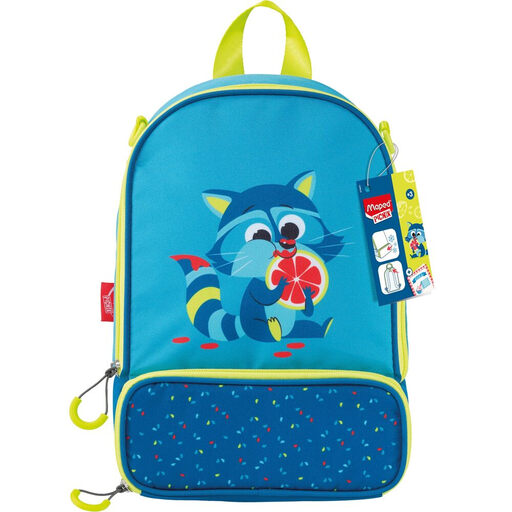
Why it's a perfect match: Perfect for carrying kids' snacks to school, the park, or on school trips. Its 3-in-1 design (hand, shoulder, back) adapts to any situation, and its format is designed with younger users in mind.
It bypasses the "token insulation" trap with a PEVA foam-lined bottom compartment dedicated to fresh food. Its versatility saves you from buying multiple bags for different uses (school, picnics).
Clever convertible carrying system. A separate, non-insulated top compartment for a water bottle and dry items, away from the food section.
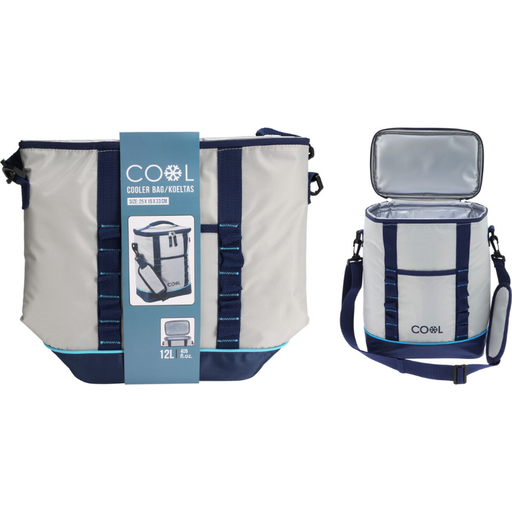
Why it's a perfect match: A simple and effective option for those who need a soft cooler for picnics or barbecues, without needing to carry it on their back for hours. Its 12-litre capacity is well-sized for a couple or a small family.
This bag focuses on the essentials: good insulation. With its PEVA lining and 6 mm foam, it avoids the poor-quality insulation trap and effectively maintains coolness for an afternoon.
Excellent balance of performance and simplicity. Durable materials (420D polyester) and effective insulation for occasional use.
Discover our full selection of insulated bags that meet all our criteria for quality and durability.
The duration of cold retention depends on several factors: the quality of the bag's insulation, the outside temperature, the use of ice packs, and how often the bag is opened. A good quality model with at least 6-8 mm of insulating foam and filled with ice packs can typically keep everything cool for 6 to 12 hours.
After each use, completely empty the bag. Clean the inner lining with a damp sponge and a little mild soap or dishwashing liquid. Rinse with a clean, damp cloth. It is crucial to let it air dry completely with the zipper open to prevent mould and bad odours. Above all, never put it in the washing machine!
Yes, but only if the bag has a 100% leak-proof inner lining with heat-sealed seams (usually made of PEVA or TPU). If the manufacturer confirms this, you can pour ice cubes in without worry. For other bags with simple stitched seams, stick to ice packs or frozen water bottles to avoid a watery mess.