
Livraison le jour même ou le lendemain

Qualité garantie

Débloquez vos offres de bienvenue: Livraison GRATUITE | Jusqu'à -80 % | 30 jours d'essai gratuits à JoyPlus
Téléchargez l'application
A warped tin, a dish that is too small for a family recipe or a coating that deteriorates after just a few washes: disappointing surprises are common when choosing cookware and bakeware based solely on appearance or price. Yet a few technical criteria are all it takes to avoid disappointing purchases and successfully prepare cakes, gratins, roasts and everyday meals.
A colourful cake tin or an elegant baking dish may appear suitable for every recipe. In practice, some models are not suitable for use on hobs or under the grill, while others cannot withstand high oven temperatures. Always check which appliances and heat sources are compatible: oven, microwave, induction, gas, electric hobs or freezer.
A non-stick cake tin makes releasing bakes easier, but its lifespan largely depends on how it is cared for. Coated utensils should generally be cleaned with a soft sponge and used with silicone, wooden or heat-resistant plastic accessories. Knives, abrasive sponges and temperatures above the stated limit can quickly damage the coating.
Cast iron retains heat extremely well, but a cast-iron casserole or griddle pan can quickly become awkward to move. Glass and ceramic are practical for taking dishes from the oven to the table, but they require greater care to avoid thermal shock. Also check that the dimensions are suitable for your oven, hobs and storage space.
Each material has its own advantages and limitations:
The compatibility information should remain your main reference point. An utensil described as induction-compatible is not necessarily designed for direct flames, and a plastic lid must never be used in the oven.
For a family, a 2.9 litre gratin dish or oven dish can be suitable for lasagne, a gratin or a dessert to share. A 20 × 26 cm format fits more easily in a compact oven, while a 39 × 27 cm dish is better suited to roasts and larger preparations.
For baking, check in particular:
A stackable mixing bowl can also save space, especially in a small kitchen.
Durable kitchen utensils are not necessarily those with the thickest material. Ease of care, scratch resistance and the option to replace a lid or accessory are just as important.
Adopt a few simple habits:
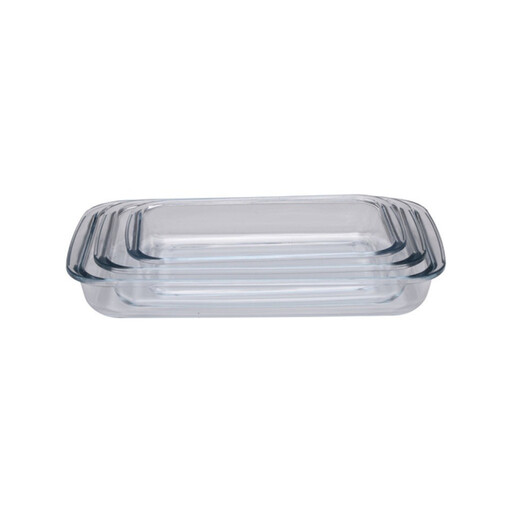
Why this choice suits this profile: With three ceramic sizes, this set lets you prepare side dishes, gratins and desserts without having to buy several separate items. Their stackable design makes storage easier.
The three sizes reduce the risk of choosing a dish that is unsuitable for the quantity being prepared. Compatibility with the oven, microwave and dishwasher is stated on the product page.
Three-piece set, ceramic for even heating, stackable storage and dishwasher-safe cleaning.
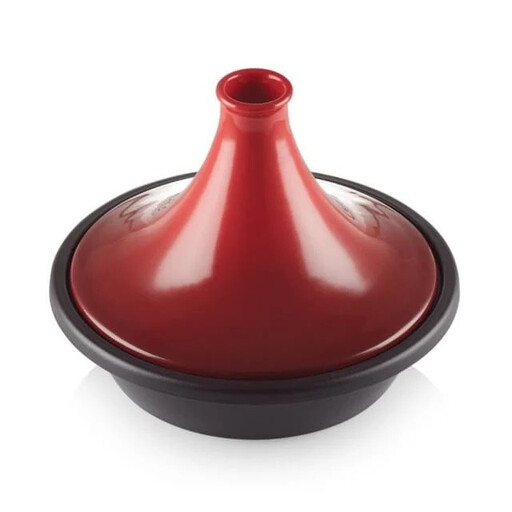
Why this choice suits this profile: Its enameled cast-iron base and stoneware conical lid are ideal for fans of slow cooking and dishes served straight at the table.
Compatibility with induction, gas, electric hobs and the oven is clearly specified. Heat should still be increased gradually to protect the enamel.
31 cm diameter, enameled cast iron, conical lid and stated oven use up to 260 °C.
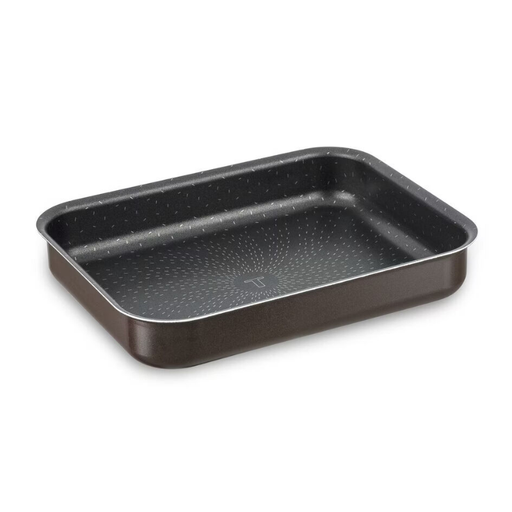
Why this choice suits this profile: This compact format works in both standard and smaller ovens, and is suitable for everyday dishes such as gratins, roasted vegetables and cakes.
Its dimensions are clearly stated and it is designed for use only in the oven, fridge and freezer. This makes it impossible to confuse with cookware intended for use on hobs.
Recycled aluminium according to the product information, non-stick coating, dishwasher compatibility and 20 × 26 cm format.
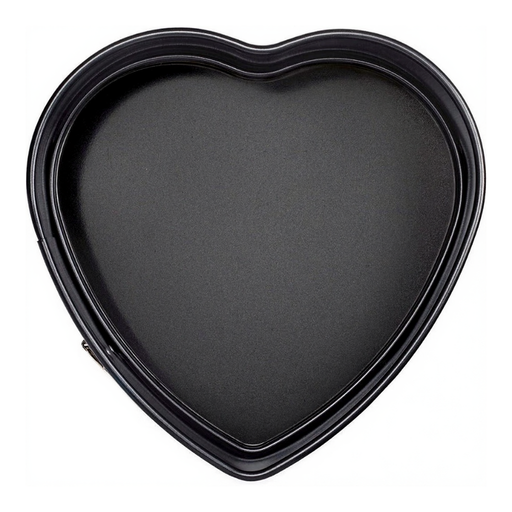
Why this choice suits this profile: Measuring 25 × 26 × 7 cm, this heart-shaped tin is designed for celebration cakes and desserts that require precise release, thanks to its removable base.
The stated maximum temperature of 240 °C, hand-wash requirement and prohibition on using this tin on hobs are clearly indicated, reducing the risk of incorrect handling.
Carbon steel, silicone-based non-stick coating stated as PTFE-free, hinged side and removable base.
We have put together a complete, real-time selection of products that meet these demanding criteria and European safety regulations.
Borosilicate glass and ceramic are suitable for gratins, lasagne and desserts to share, provided you follow the manufacturer’s instructions for oven use. Enameled cast iron is better suited to slow cooking and dishes that need to stay hot for a long time. In all cases, check the dimensions, capacity and precautions relating to thermal shock.
It depends on the model. Some aluminium dishes are described as dishwasher-safe, but hand washing will generally help preserve their coating. For a carbon-steel non-stick tin, follow the manufacturer’s recommendations and avoid abrasive sponges, metal utensils and overheating while empty.
A mixing bowl, baking tray or cake tin, silicone spatula, pastry brush and cooling rack are enough to make a wide range of recipes. Ceramic ramekins can then extend your collection for creams, soufflés, individual portions and oven-baked desserts.