
Livraison le jour même ou le lendemain

Qualité garantie

Débloquez vos offres de bienvenue: Livraison GRATUITE | Jusqu'à -80 % | 30 jours d'essai gratuits à JoyPlus
Téléchargez l'application
A sauce that won’t thicken? A cake that’s a bit too dense? These common kitchen problems often have a simple solution: cooking starch. Whether it's corn starch, potato starch, or sweet potato starch, this basic ingredient is a true Swiss army knife in the kitchen.
But with so many options available, it can be tricky to know which one to choose. This guide is here to demystify the choices and help you select the perfect starch for every recipe, focusing on practical uses and convenience.
By Joybuy, your product expert.
Choosing the ideal starch comes down to three key criteria: its intended use, its properties, and of course, the convenience of its packaging.
Each starch has its specialty, especially when it comes to heat.
A detail that makes all the difference in your daily routine: the packaging. A starch with a pouring spout offers clear advantages:
A closer look at three versatile and practical options from the Gusong brand that caught our eye.
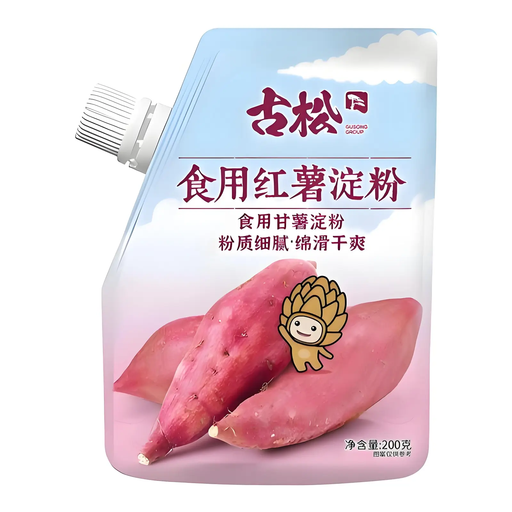
Why it stands out This sweet potato starch is perfect for everyday cooking, especially if you enjoy making Asian-inspired dishes. Its thickening power is ideal for soups and sauces.
Advantages
Who is it for? For the adventurous cook looking to explore new textures and create authentic recipes, as well as for anyone seeking an effective everyday thickener.
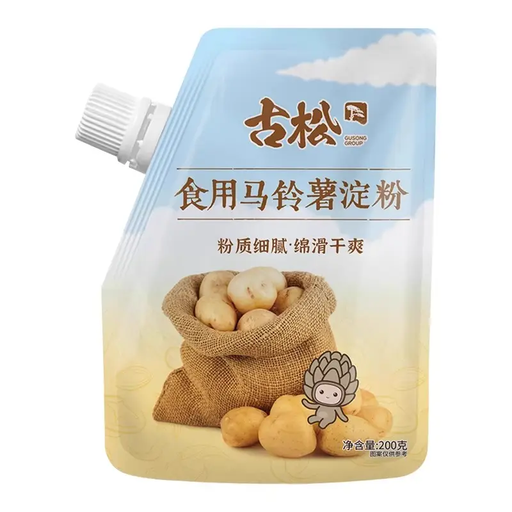
Why it stands out Made from high-quality potatoes, this starch stands out for its fine texture and whiteness. It's an excellent thickener that adds body and shine to your sauces for a more appetising finish.
Advantages
Who is it for? A daily kitchen essential, ideal for anyone who regularly prepares sauces, stews, or soups and aims for a glossy, coating consistency.
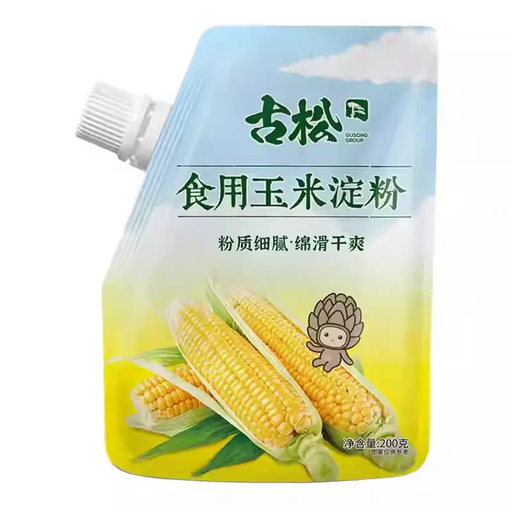
Why it stands out This pure, fine corn starch is an ultra-versatile classic. It's just as effective for binding sauces as it is for lightening cakes, biscuits, and other baked goods.
Advantages
Who is it for? For baking enthusiasts seeking lightness, and for anyone who wants a reliable staple for thickening sauces and soups.
If a convenient format with a pouring spout is a key criterion for you, discover our full selection of ingredients designed to make your life in the kitchen easier.
Discover more products with a pouring spout
The main difference lies in their thickening power and their reaction to heat. Potato starch thickens at a lower temperature and creates a more translucent, glossy finish, making it an excellent sauce binder. Corn starch, on the other hand, needs a higher temperature (boiling) to activate and results in a more opaque finish. It's often preferred in baking for its ability to lighten batters.
Yes, but there are a few rules. To lighten a cake, you can replace 20-50% of the flour with starch. To thicken a sauce, starch is about twice as powerful as flour, so you need significantly less. Note that starch is gluten-free and therefore cannot be substituted for flour in breads that need to rise.
The golden rule: always dissolve the starch in a cold liquid before adding it to a hot mixture. Pour a small amount of cold liquid (water, broth, milk) over the starch in a bowl and mix until you have a smooth, uniform slurry. Then, whisk this mixture into your hot sauce or soup, stirring constantly until it thickens.