Households that cook in pans
If you’re replacing a hob, compare induction and ceramic options based on your cookware, the number of cooking zones and the space available. UFC-Que Choisir points out that induction requires compatible pan bases.


Start by choosing an appliance based on what you’re missing: a hob for cooking in a frying pan or saucepan, an oven for baking or browning food in a cavity, or a microwave mainly for reheating and defrosting. To choose between induction and a ceramic hob, check your cookware and the space available. For any appliance, compare its dimensions, connection requirements and energy consumption with how you’ll actually use it. UFC-Que Choisir notes that induction requires suitable cookware, while ADEME provides consumption benchmarks based on specified appliances and typical usage.
If you’re replacing a hob, compare induction and ceramic options based on your cookware, the number of cooking zones and the space available. UFC-Que Choisir points out that induction requires compatible pan bases.
For roasting, baking or browning food, choose a cavity and cooking modes that suit the dishes you make, then check the dimensions of the space available.
If you mainly defrost or reheat food, consider whether a solo microwave will do, or whether you’ll actually use a grill. UFC-Que Choisir describes reheating and defrosting as the main uses of a microwave.
Start with the meals you prepare regularly, then check that your chosen appliance suits your kitchen, cookware and electricity usage.
| Priority | What to check | Who is most concerned? |
|---|---|---|
| Features suited to your meals | Check the available modes, number of cooking zones, and the dimensions of your dishes or the oven cavity’s capacity. | If I want the appliance to suit the recipes I make, I look at the features it actually offers. Around 33% of consumers prioritise features suited to their meals. |
| Space and connection requirements | Measure the recess or cut-out; check the model’s connection instructions and have any proposed changes to the electrical circuit assessed. | When I need to fit an appliance into an existing space, its dimensions and connection requirements can determine my choice. Around 27% of consumers prioritise how well it fits. |
| Consumption for comparable use | Compare the units, cycles and conditions behind the consumption figures; distinguish these from the connection rating. | If I’m comparing the electricity used for similar cooking tasks, I first make sure the figures are based on the same conditions. Around 20% of consumers put energy consumption first; ADEME’s benchmarks describe specified appliances and typical usage, not every household. |
| Keeping your existing cookware | For induction, check that your saucepan and frying pan bases are compatible; for an oven or microwave, follow the guidance on which containers are suitable. | If I want to keep using my pans and containers, I check they’re compatible with the appliance before choosing it. Around 20% of consumers prioritise reusing their cookware. |
ADEME’s annual benchmarks are based on specified appliances and typical usage; the connection rating describes a different characteristic.
Compare similar cooking tasks, and check the units and conditions behind the figures quoted.
Induction requires compatible pan bases, and the dimensions required for installation vary by model.
Check which pans you want to keep, then compare your kitchen measurements with the appliance’s product details and manual.
A solo model doesn’t offer the same features as a microwave with a grill or a combination model. The ADEME and INC study indicates that the energy performance of combination ovens varies depending on the food and the model.
Start with the dishes you usually prepare and check the modes listed for the model you’re considering.
Connection requirements vary by model; any changes to the electrical installation need to be assessed separately from your choice of appliance.
If a circuit needs to be installed or modified, have the work assessed before placing your order.
Well-documented models for comparing induction hobs and built-in ovens.
The EHV6232FOK ceramic hob lets you compare the number and diameter of its cooking zones, as well as its built-in dimensions.
The MS23K3515AK/EF is worth considering if you’re looking for a solo microwave for reheating and defrosting.
The MWP 253 B is worth looking at if you’re after a microwave with a grill.
This selection includes a double induction hob and built-in electric ovens, so you can compare cooking on a hob with cooking in an oven cavity.
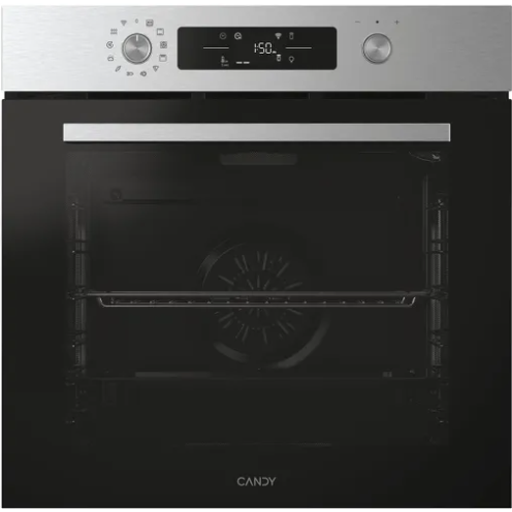 Image unavailable
Worth considering if you’re looking for a large-capacity oven cavity.
The model name indicates convection, a grill, 12 programmes, a pizza function, hydrolytic cleaning, Wi-Fi and an A++ energy rating.
Built-in model: check that the space available is suitable before installation.
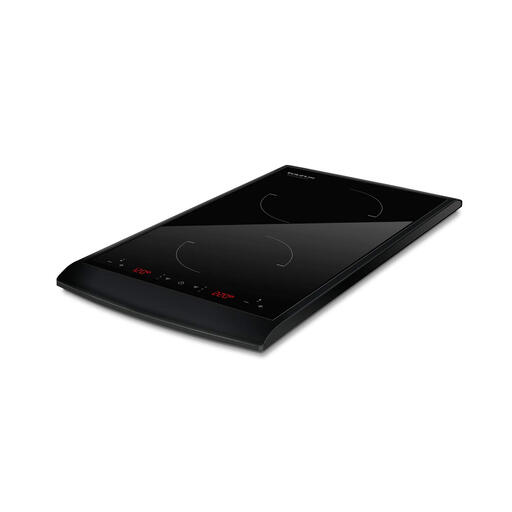 Image unavailable
Worth considering if you’re looking for a double induction hob rather than a hob with several cooking zones.
Compatible cookware is listed as having a diameter of 12 to 24 cm; check that your pans are suitable.
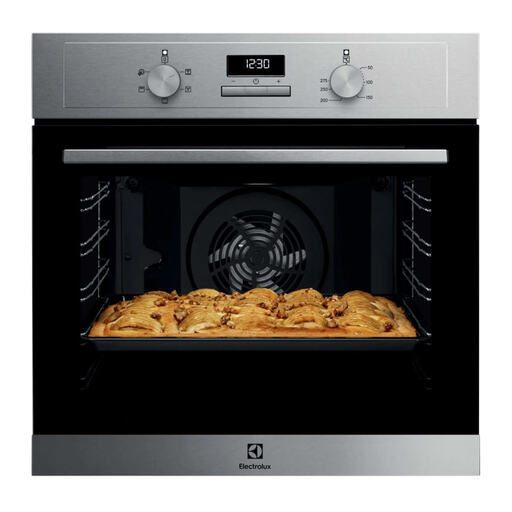 Image unavailable
Worth considering if you’re looking for a multifunction built-in oven with a listed capacity of 72 L.
The model name indicates an AirFry function, a stainless steel finish and an A energy rating. Check the space available before installation.
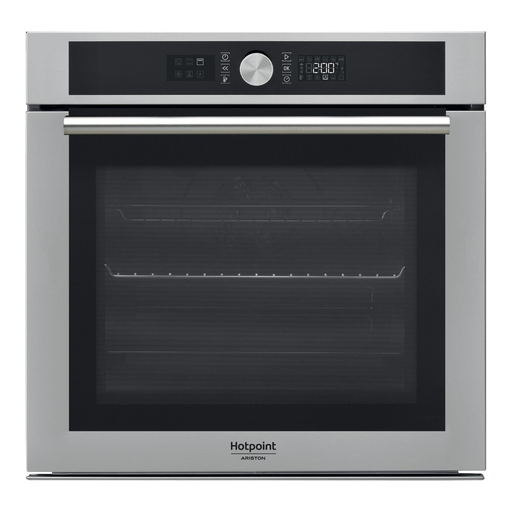 Image unavailable
Worth considering if you’re looking for a 71 L cavity with several cooking modes.
The model name indicates 16 modes, pyrolytic cleaning, a stainless steel finish and an A+ energy rating. The pyrolytic cycle heats surfaces to very high temperatures, so keep children and pets away while it’s cleaning.
Check that the recess and installation requirements are suitable for this built-in model.
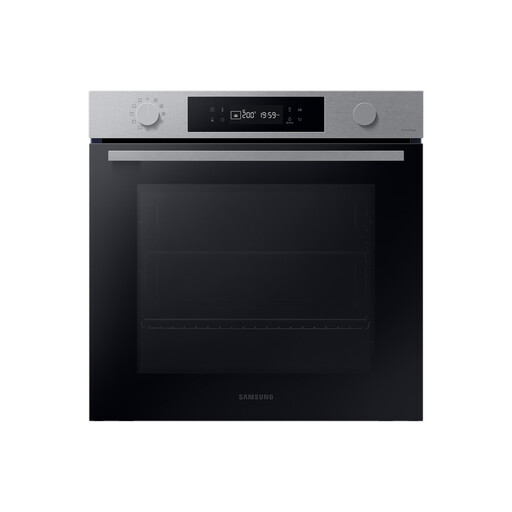 Image unavailable
Worth considering if you’re looking for a 76 L cavity and several cooking programmes.
The model is listed with 20 programmes, a stainless steel finish and an A+ energy rating. Check that the space available is suitable before installation.
Not necessarily: induction requires a suitable ferromagnetic base. Check your saucepans and frying pans before choosing this technology. UFC-Que Choisir points out that the ceramic surface you can see on an induction hob doesn’t mean it heats like a radiant cooking zone.
No. A model’s connection rating isn’t the same as the energy used to prepare a meal. ADEME’s annual benchmarks are based on specified appliances and numbers of cycles; compare similar uses and measurement conditions.
Check the cut-out or recess dimensions, the manual and the connection requirements for the model. If you’re planning new or renovated electrical work, you’ll also need to take the applicable French regulations into account: Legrand specifies, for example, a dedicated 32 A circuit with 6 mm² conductors for a single-phase hob, as well as a dedicated circuit for an oven. This guidance doesn’t replace an assessment of your installation; if in doubt, have it checked.
No. Follow the guidance on the container and check the appliance manual. The DGCCRF states that a container not designed for oven use must not be put in one.
In France, the Ministry of the Economy explains that the legal guarantee of conformity applies to new, second-hand and refurbished goods sold by a business to a consumer. For a new item, you have two years to claim under the guarantee. You make your claim to the seller; this guarantee is separate from any optional commercial warranty.