Making a variety of meals
If you want to cover several everyday cooking needs, distinguish between reheating, grilling and convection cooking. Que Choisir, for example, describes microwaves with a grill as a separate category from solo models.


For everyday meals, start by choosing the function you actually need — cooking on a hob, baking, reheating or defrosting — then pick a format that avoids unnecessary features. A combination appliance can bring several functions together, but whether it’s right for you depends on the dishes you make, its capacity and how it’s installed. A promise of lower energy use isn’t enough to compare appliances used in different conditions.
If you want to cover several everyday cooking needs, distinguish between reheating, grilling and convection cooking. Que Choisir, for example, describes microwaves with a grill as a separate category from solo models.
If you’re choosing between several appliances and a combination model, consider the installation dimensions and the clearance needed around it. Samsung notes that ventilation space requirements vary by model and should be checked in its manual.
If you’re comparing energy use, look at the functions and programmes involved rather than relying on a general promise of savings. ADEME provides guidance on household energy use, but this doesn’t mean one technology is best for every kitchen.
If you regularly prepare meals at home, start with the functions you need, then check how the appliance will fit, its stated energy use and how easy it is to use.
| What matters | What to check before buying | Who this matters most to |
|---|---|---|
| Useful functions | Functions actually included; the difference between solo, grill and convection microwaves; usable capacity. | If I want to make the dishes I usually cook, I check the functions rather than relying on the word ‘combination’ alone. Around 31% of consumers prioritise cooking functions. |
| Space and installation | Appliance dimensions and, for a built-in model, the size of the housing; required clearances and connections. | When space is limited, I check the full dimensions and installation requirements before choosing an appliance. Around 25% of consumers prioritise available space and installation. |
| Energy use | The unit, programme and test method used for the stated figure; compare appliances when the preparation and intended result are comparable. | If I want to keep electricity use under control, I compare equivalent uses rather than different technologies without a common basis. Around 25% of consumers put electricity costs first. |
| Everyday ease of use | Controls for the functions you use, suitable containers and the model’s care instructions. | For an appliance I use often, I check whether its controls and upkeep suit my habits. Around 19% of consumers prioritise ease of use and maintenance. |
The appliance’s external dimensions differ from those of the housing. Bosch’s French product sheet for the HBA553BA3F gives two incompatible housing heights; conflicting measurements shouldn’t be resolved by guesswork.
Check the installation diagram for the exact model and ask for any inconsistencies to be clarified before you buy.
Misreading a measurement could mean modifying the kitchen unit or paying for installation work.
The connection rating and the energy used per cycle describe different things. A figure in watts doesn’t tell you how much energy a cooking programme uses on its own.
Check the unit, programme and measurement basis, then compare like-for-like preparations and results.
Grilling, convection and microwave cooking are suited to different uses. An extra function is only useful if it matches the dishes you prepare.
Work out which functions you need before choosing a versatile appliance.
Functions you rarely use can make choosing more complicated without meeting a regular need.
A countertop appliance takes up space and needs the required ventilation clearances. ADEME lists having more equipment than you need as one factor that can increase your electricity bill.
Decide what use it would add or replace, and measure the space needed, including room for ventilation.
An extra appliance also needs space and regular cleaning.
Examples with published details include the PUE611BB5E induction hob and the HBA553BA3F built-in oven. These models alone don’t represent the whole range.
Samsung France describes the MS23K3515AK/EF as a 23 L solo microwave, rather than a model with a grill or convection cooking.
The range mentioned includes Easy Fry appliances, mini ovens and Cookeo multicookers. Consider each according to the function you need.
These options include a built-in oven, an induction hob, solo and combination microwaves, and a compact appliance. Choose according to the function you need and the constraints of your kitchen.
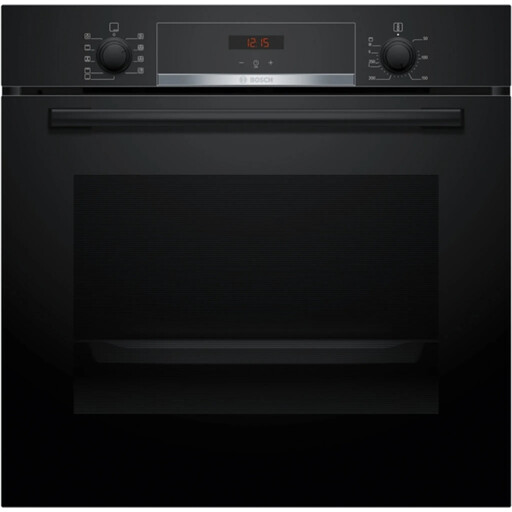 Image unavailable
Worth considering if you regularly cook oven dishes and are looking for a 71 L built-in model.
The product name mentions 3D hot air and a stainless steel finish. Check the housing and the exact model’s electrical requirements before installation; the associated information specifies a 220–240 V earthed supply and a 16 A fuse.
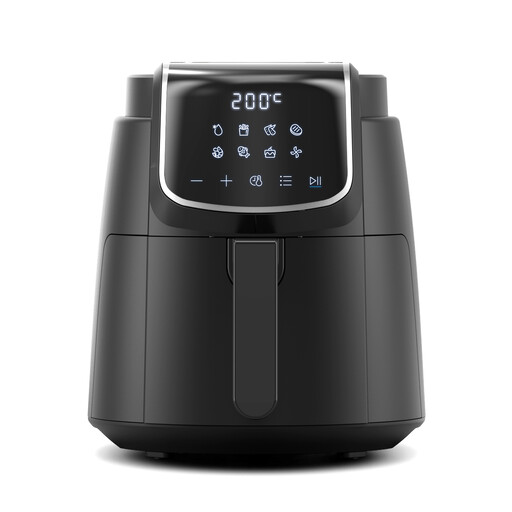 Image unavailable
Worth considering if you have a specific use in mind for a compact appliance, rather than adding one without a clear purpose.
The product name lists a power rating of 1 500 W, 8 programmes, an adjustable temperature of 35 to 200 °C and a 60-minute timer. Measure the space available and allow for the required clearance.
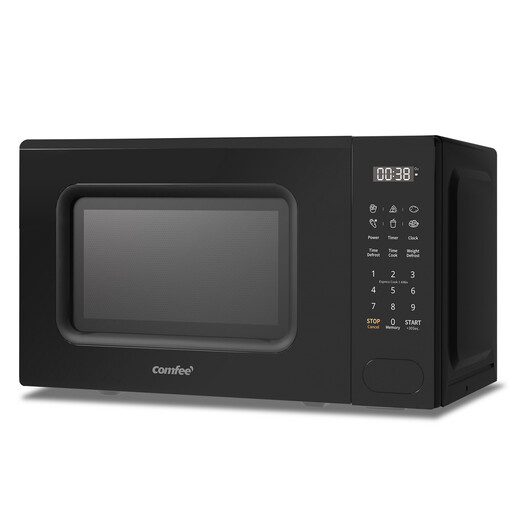 Image unavailable
Worth considering if reheating and defrosting are your main needs and a solo microwave is enough.
The product name lists 700 W, 6 pre-set menus and 11 power levels. It also mentions a memory function; check the model’s external dimensions and clearances in the manual.
 Image unavailable
Worth considering if you cook using several zones and have cookware compatible with induction.
The description specifies a connection without a plug and installation by a qualified electrician. Check the cut-out, connection requirements and pan compatibility before choosing this model.
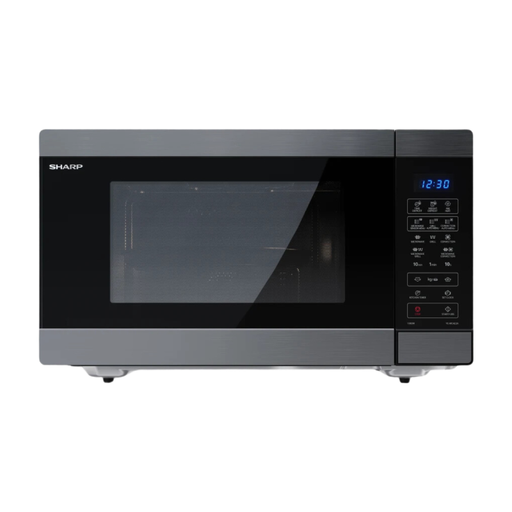 Image unavailable
Worth considering if you want microwave, grill and convection functions in a single countertop appliance.
The product name lists a capacity of 42 L. The description says not to block the ventilation openings, so allow for a stable surface and enough space around the appliance.
No. Grilling and convection are different functions. If you want both alongside microwave cooking, look specifically for a combination model with convection.
Follow the clearance instructions in the manual for your chosen model. Samsung gives general guidance of 10 cm at the back and sides and 20 cm above, but notes that requirements vary by model.
Not necessarily. The Bosch manual cited specifies a suitable ferromagnetic base that matches the size of the cooking zone. Check the cookware you use before choosing this technology.
Don’t assume a built-in hob connects in the same way as a countertop appliance. For single-phase hobs in the context covered, Legrand describes a dedicated 32 A circuit with 6 mm² conductors. Ask a qualified professional to check the installation and connection for your model; the Bosch manual cited says that connections without a plug must be carried out by qualified, authorised personnel.
No. The European Commission distinguishes between the requirements for ovens and hobs. Under the scheme described, energy labelling is mandatory for ovens and cooker hoods, but not for hobs. An oven’s energy rating is therefore not a universal criterion for choosing a hob.
No — not simply because of the name. Samsung says the Eco mode on its microwaves switches off the display when the appliance isn’t in use; this doesn’t measure the energy needed to cook a meal.