Who are these options for?
The right appliance depends as much on what you’re preparing for a meal as on the space and installation you have available.
For meals with several dishes
You regularly use saucepans or frying pans while cooking something in the oven. The number of things you can cook at once matters, but fixed appliances also need to fit your kitchen and electrical supply. Promotelec notes that hobs and ovens require dedicated circuits.
For small kitchens without built-in appliances
You want to bake or combine several functions without installing a built-in appliance. A mini oven or combi microwave is worth considering, depending on the size of your dishes, the space it takes up on your worktop and the installation instructions for the model.
For one-pot meals
You mainly cook one-pot meals and want to keep the number of steps to monitor to a minimum. A multi-cooker could suit you if its programmes and capacity match your recipes; it won’t replace multiple hob rings or an oven when your dishes need them.
What should you look for?
Start by identifying what you cook most: several things at once, oven cooking without a built-in appliance, one-pot meals or simply reheating. Then check the space and power requirements of the appliance you’re considering.
| What matters to you |
What to check before buying |
Who it’s for |
| Cooking several things at once |
Check how many hob rings you need for your cookware, then check the dimensions and dedicated circuits required for fixed appliances. |
When several parts of a meal need to cook at the same time, I look for cooking zones and, if needed, an oven that suits the dishes I usually make. Around 31% of consumers would prioritise cooking several things at once. |
| Space without built-in installation |
Measure the appliance, the door clearance and your dishes; check the clearances specified in the instructions. |
In a small kitchen, I want to be able to cook more than just reheat food without taking up the whole worktop. Around 25% of consumers would prioritise a space-saving appliance that doesn’t need to be built in. |
| One-pot meals |
Compare the pot capacity and cooking modes with the recipes you actually make. |
For the one-pot meals I make during the week, I want fewer steps to follow and less to keep an eye on. Around 25% of consumers would put this convenience first. |
| Reheating and defrosting |
Check the usable dimensions for your plates and the functions you need; only add a grill or convection if you plan to use them. |
If my current appliances are enough for cooking, I mainly need to reheat portions or defrost food. Around 19% of consumers would prioritise this extra convenience. |
Brands to know
These examples of ranges and models highlight questions to ask before buying. They don’t guarantee that another model will be compatible with your kitchen.
Bosch
Its built-in induction hobs are worth considering for fitted kitchens where you need to use several pans at once.
- Bosch lists three cooking zones for its PUC611AA5E hob. Check whether this suits the number of saucepans and frying pans you use at the same time.
- The number of cooking zones doesn’t confirm that the dimensions will fit your worktop cut-out or that the electrical circuit is compatible.
Electrolux
Its built-in ovens are aimed at households that cook in the oven regularly and have a suitable installation.
- Electrolux lists a 65 L capacity for the KOFFP46BX and specifies a recess measuring 590 × 560 × 550 mm.
- These measurements apply to this model only: also check its instructions and your existing electrical installation.
Moulinex
Its freestanding appliances include mini ovens for baking and multi-cookers for preparing meals in a cooking pot.
- Moulinex lists a 33 L capacity and six modes for the Optimo 33L CT, compared with a 6 L pot and six modes for the Cookeo Simplicity: two formats for different types of cooking.
- The stated capacity doesn’t replace measuring your dishes and the space available, or checking the clearance required.
Panasonic
Its combi microwaves are designed for people who want to combine reheating with some types of cooking on the worktop.
- Panasonic lists a 34 L capacity for the NN-CD88, with microwave, grill and convection functions.
- These functions don’t guarantee that all your oven dishes will fit inside or cook the way you want them to.
Appliances for different needs
These appliances show different ways to prepare meals: cooking in a pan on a portable hob, baking with or without a built-in oven, combining functions on the worktop, and cooking in a pot. First choose the type of cooking you need, then check the model’s dimensions and operating requirements.
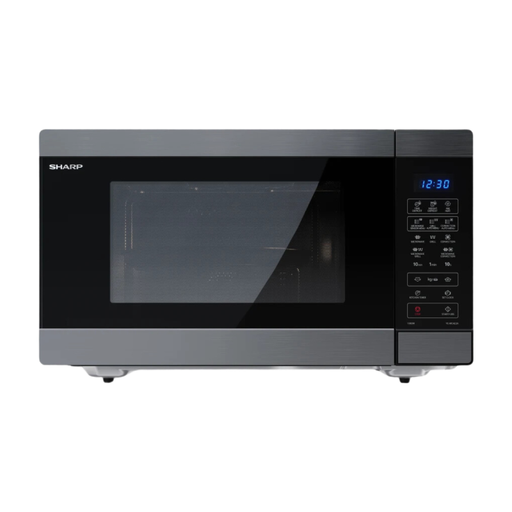 Image unavailable
SHARP YC-MC422AE-SB, 42 L combi microwave
Worth considering if you want to reheat food and also use the grill or convection functions without a built-in appliance. Its stated capacity is 42 L; check that your dishes fit in the usable space and that the dimensions and clearances suit the location.
View on Joybuy
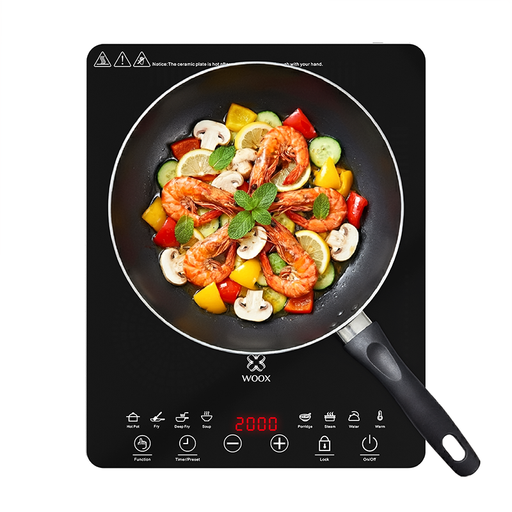 Image unavailable
WOOX MX0237 RapidTherm, 2000 W portable induction hob
An option for adding a portable cooking zone, rather than cooking several things on separate rings by itself. The product description lists eight heat settings, pan detection and a 1.5 m cable; check that your cookware is compatible, that you have enough space and that you follow the connection instructions.
View on Joybuy
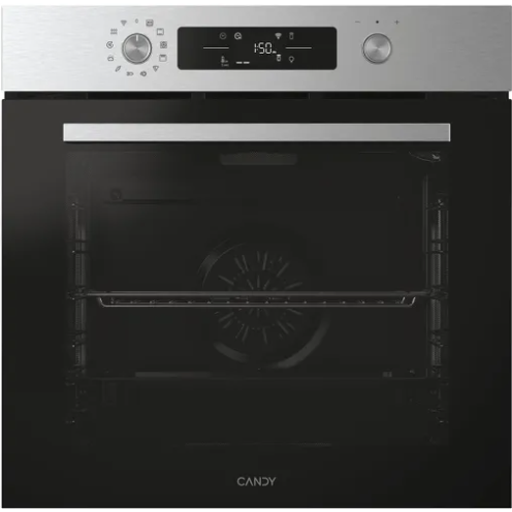 Image unavailable
Candy CA6 NP5B3HTX, 78 L built-in oven
Consider this if you cook in the oven regularly and have a suitable recess. The product description lists a capacity of 78 L and a power rating of 2100 W; before choosing this model, compare the built-in dimensions and connection requirements in the instructions with your installation.
View on Joybuy
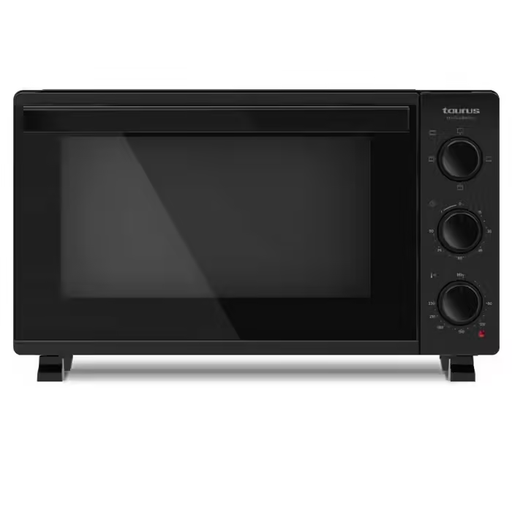 Image unavailable
Taurus Horizon23, 23 L freestanding mini oven
A way to bake without a built-in recess, as long as you can set aside a suitable space for it. Its stated capacity is 23 L: compare this with the dimensions of your dishes and check the instructions for door clearance and installation clearances.
View on Joybuy
 Image unavailable
Plodon, 5 L electric cooker with steaming basket
Worth considering if you mainly prepare meals in a cooking pot, particularly steamed or slow-cooked dishes. The product description lists 1200 W, two power settings and a steaming basket; check you have space for it, and don’t expect this format to cook dishes that need an oven.
View on Joybuy
Frequently asked questions
Can I plug a built-in oven or fixed hob into an extension lead?
Don’t use an extension lead to connect these appliances: Promotelec says ovens and hobs require dedicated circuits. Check your existing installation and the appliance instructions. If changes are needed, ask a qualified professional for advice before buying.
Can the energy label be used to compare all cooking appliances?
No. The DGCCRF lists domestic ovens and cooker hoods among the appliances covered by energy labelling. For an oven that carries an energy label, compare information for similar models; don’t treat the absence of the same label on another type of appliance as an indication of its energy consumption.
What should I measure before choosing a cooking appliance?
Measure the recess for a built-in model, or the available surface, door clearance and your dishes for a freestanding model. As an example specific to this model, Electrolux lists a recess of 590 × 560 × 550 mm for its KOFFP46BX oven; always check the product details and instructions for the appliance you’re considering.
Can I put any container in the microwave?
Don’t assume a container is suitable just because it fits inside the appliance. Follow the container manufacturer’s guidance and the food preparation instructions for the cooking mode you’re using.


