What should you look for based on your meals?
Start with the dishes you make most often and the quantities you prepare, then compare data for the same type of use. For hobs, ADEME’s annual reference figures don’t describe the consumption of a specific model. For ovens, kWh per cycle and the capacity for your chosen cooking mode are more useful than wattage alone.
| What matters to you | What to check | Who is it for? |
|---|
| Regular hob cooking |
Compare induction and ceramic hobs based on your cookware, the zones you’ll use and the power supply required for a built-in hob. For 409 cycles a year, ADEME gives reference figures of 115 kWh/year for the most efficient new induction appliances and 200 kWh/year for a reference ceramic hob. |
I cook several meals a week in a saucepan or frying pan, so my hob features in my routine. Around 36% of consumers would put hob cooking at the top of their list. |
| Capacity for batch cooking |
Check the capacity in litres and compare the kWh per cycle for ovens using the same mode—conventional or fan-assisted—as well as their dimensions. |
My gratins and bakes need plenty of room, but I don’t want a cavity that’s oversized for the dishes I usually cook. Oven capacity would be the priority for around 29% of consumers. |
| Small portions and reheating |
Check the internal capacity, dimensions and functions you need for your recipes. ADEME gives a reference average of 40 kWh/year for microwaves, but its table doesn’t specify a number of cycles, so this figure doesn’t show energy use per meal. |
I mainly reheat leftovers or defrost small portions, so I’m looking for an appliance suited to those tasks rather than a large batch. Around 21% of consumers would make this their main priority. |
| Compact cooking appliance |
Check the usable capacity, the size of the food and how many batches you’ll need to cook. Consider cooking time alongside the stated wattage, but don’t mistake watts for the kWh used per recipe. |
I’m considering an air fryer for recipes that suit its basket, but it’s less useful if I have to cook my meal in several batches. Around 14% of consumers would put this type of cooking first. |
Brands to consider
These ranges let you explore different types of cooking appliance. A brand’s inclusion here doesn’t indicate a model’s energy use or mean it’s available from Joybuy.
Bosch
Bosch offers ovens, microwaves and induction or electric hobs.
- A choice of formats to compare with the meals you cook and the space you have available.
- Check the energy use, capacity and connection requirements of the model you choose rather than judging by the range as a whole.
Electrolux
Electrolux’s cooking range includes ovens, induction hobs, cookers and microwaves.
- You can compare hob cooking and oven cooking separately.
- The features advertised by the brand don’t, on their own, prove that one model uses less energy than another.
Whirlpool
Whirlpool offers induction hobs, ovens and microwaves.
- The WLB2977NE hob shows why it’s worth checking the size of the cooking zones if you use large pans.
- Its features don’t apply to every Whirlpool hob; check the dimensions and connection requirements for each model.
Moulinex
Moulinex offers air fryers to consider for recipes that suit a basket-style appliance.
- The brand states that its Easy Fry Deluxe has a 4.2 L capacity and can serve up to six portions. Check how those figures compare with the size of your meals.
- These figures don’t show that it uses less energy; consumption depends on factors including the quantity and cooking time.
Hobs and small appliances available from Joybuy
These models cover two of the uses discussed here: hob cooking and recipes suited to an air fryer. First compare their size and format with your meals, then check the energy data for the model you’re considering and how you’ll use it.
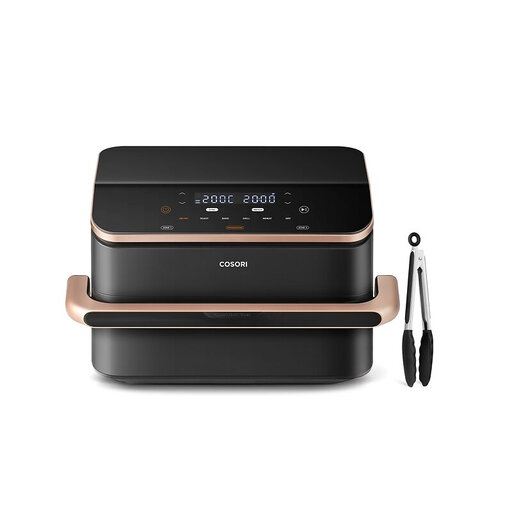 Image unavailable
COSORI TF101S Dual Blaze Twinfry, 10 L air fryer
Worth considering if your air-fryer-friendly recipes need a 10 L capacity. Check how much space it needs and compare energy use for the quantities and cooking times you expect to use.
View on Joybuy
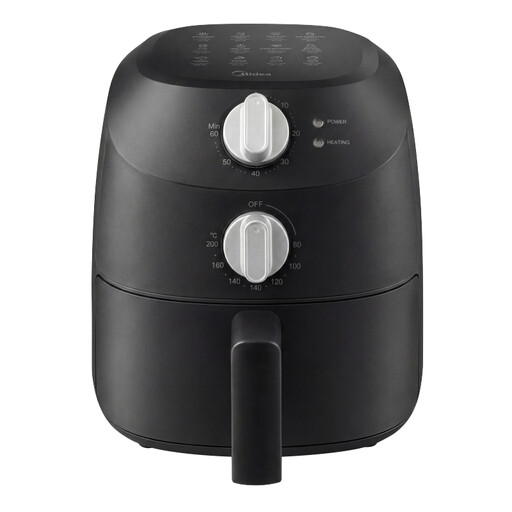 Image unavailable
Midea, 2 L air fryer, 1150 W, black
Its 2 L size is worth considering for small portions. Check that your food will fit without needing to cook in several batches. The 1150 W rating tells you its power, not how much energy a recipe uses.
View on Joybuy
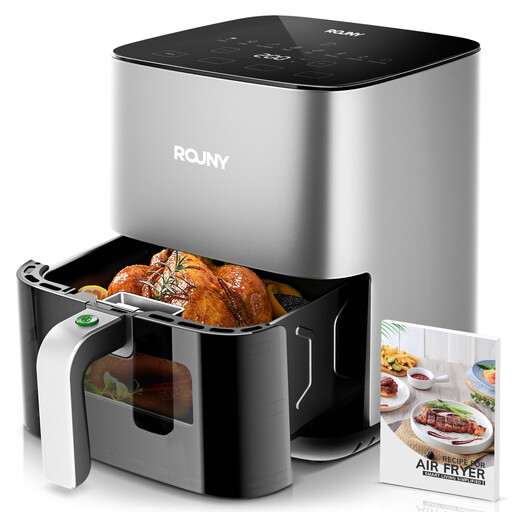 Image unavailable
ROUNY T3, 5 L air fryer
Worth considering if a 5 L basket suits the meals you prepare. Before you choose, check the usable capacity, dimensions and features you need for your recipes.
View on Joybuy
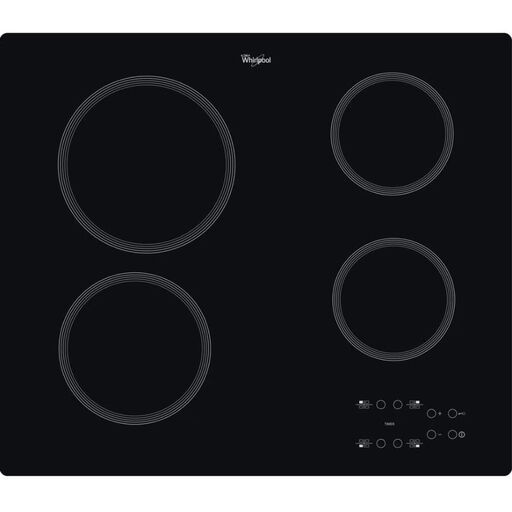 Image unavailable
Whirlpool AKT 801-NE, 4-zone ceramic hob
The four zones are worth considering if you cook several dishes on the hob at once. Check the cut-out dimensions, connection requirements and energy data for this specific model.
View on Joybuy
 Image unavailable
TOPWISH, 60 cm built-in induction hob, 4 zones
The four zones may suit you if you cook several dishes at once and your pans are induction-compatible. Before buying, check the cut-out size, the connection specified in the instructions and the energy use for the way you cook.
View on Joybuy
Frequently asked questions
Is the energy rating enough to compare two ovens?
No. Also compare their capacity in litres and their kWh per cycle in the mode you’ll use. The European Commission distinguishes between conventional and fan-assisted cooking, among other modes. The energy rating alone won’t tell you whether the cavity is the right size for your dishes.
Can an air fryer’s wattage predict how much energy it uses per meal?
No. Wattage doesn’t take cooking time or the quantity prepared into account. To compare an air fryer with another appliance, use a similar recipe and quantity, then look at the cooking time and any available energy-use data.
Can you plug a built-in induction hob into a standard socket?
Don’t assume you can. According to Promotelec, a built-in hob needs a dedicated circuit, and Legrand distinguishes this from portable induction hobs. Check the instructions, and if you’re unsure, ask a qualified professional to inspect your existing installation.
Can a microwave replace an oven for small portions?
A microwave can be suitable for reheating, defrosting or cooking some small portions, but it won’t work for every recipe or produce the same results as an oven. Before considering a replacement, think about the dishes you make most often, check the internal capacity and read the appliance instructions.
Should you replace an oven you’ve already bought to reduce energy use?
Not necessarily. First check whether its capacity suits your meals and whether you can cook compatible dishes at the same time. Only preheat when the recipe or instructions call for it; these steps don’t guarantee a specific saving.


