What should you check before choosing?
Start with the meals you cook most often, then compare the capacity, energy data and installation requirements of appliances that can prepare them.
Electric hob
Worth considering: if you regularly cook with a saucepan or frying pan and want to adjust the heat as you prepare a meal.
Things to bear in mind: before buying a built-in hob, check the connection and the electrical circuit in your home.
Electric oven
Worth considering: for dishes, bakes and batches that need an oven cavity and the cooking functions an oven provides.
Things to bear in mind: choose a capacity that suits the quantities you actually cook, and don’t overlook the space needed for a built-in model.
Microwave
Worth considering: if reheating, defrosting and preparing smaller dishes make up a large part of your meals.
Things to bear in mind: it won’t necessarily replace a hob or oven for other cooking techniques.
Compact appliance
Worth considering: for recipes suited to a basket or small cavity, in quantities that work for your household.
Things to bear in mind: if a meal needs several batches, factor that in before assuming you’ll save time or electricity.
| Criteria |
What to check |
Your needs |
| Energy use in context |
For its usage benchmarks, ADEME gives an annual figure of 115 kWh for an induction hob over 409 cycles and 130 kWh for a 63 L electric oven over 187 cycles. It gives a figure of 40 kWh a year for a microwave, without specifying the number of cycles in this table. These annual figures don’t relate to the same meal; when comparing two ovens, look instead at their energy use per standardised cycle. |
I want to understand how changing appliances might affect the meals I usually cook, rather than treating its power in watts or an annual total as the energy used for a recipe. |
| Capacity and cooking |
Check the usable capacity, the size of your dishes and the functions your recipes need. As examples of model specifications, Bosch lists a capacity of 20 L for its BFL520MB0 microwave, Electrolux lists 72 L for its EOC5H40X oven, and Philips lists a 6.2 L basket with a 1.2 kg capacity for the Airfryer XL HD9270/90. Their functions and capacities aren’t directly comparable. |
Will my portions fit in a single cooking cycle? For gratins or several batches, I’ll look at the oven’s cavity and functions; for reheating smaller quantities, I’ll check how much room I need for the dish. |
| Installation and connection |
Check the space available, the installation instructions and the specifications of your existing electrical circuit. For new installations or full renovations covered by the requirements it sets out, Promotelec specifies a dedicated 32 A circuit for a hob or electric cooker, and refers to dedicated 16 A or 20 A circuits for an oven. |
Before ordering a built-in appliance, I want to know whether it can be installed and connected in my home. The appearance of a socket alone isn’t enough to determine this. |
Which branded models offer useful points of comparison?
These manufacturers’ product specifications offer examples of features to look at. They’re neither a ranking of brands nor a list of the products featured below.
Bosch
Two built-in models illustrate different uses: cooking on a hob and reheating food in a microwave.
- Bosch lists three cooking zones and TouchSelect controls for the PIJ611BB5E induction hob.
- The BFL520MB0 microwave is listed with a 20 L cavity and a maximum microwave power of 800 W.
- These specifications alone don’t let you compare how much electricity each appliance uses to prepare a meal.
Electrolux
The EOC5H40X built-in oven is an example of a large-capacity cavity with several cooking functions.
- Electrolux lists a capacity of 72 L, an A energy rating and functions including fan-assisted cooking and a combination of fan-assisted cooking and steam.
- Its stated total power of 2,780 W doesn’t measure the energy used for a recipe, so check the per-cycle data too.
Philips
The Airfryer XL HD9270/90 is a useful example of what a compact appliance’s stated capacity means for your portions.
- Philips lists a 6.2 L basket and a 1.2 kg capacity for this model.
- Check that your food fits in the basket before comparing it with an oven. A brand’s energy claim doesn’t guarantee the same result for your recipes.
Cooking appliances available on Joybuy
This selection covers cooking on a hob as well as preparing food in compact appliances, from air fryers to countertop combi ovens. Choose according to your recipes and portion sizes: this selection alone doesn’t determine which of the four appliance types above is right for you.
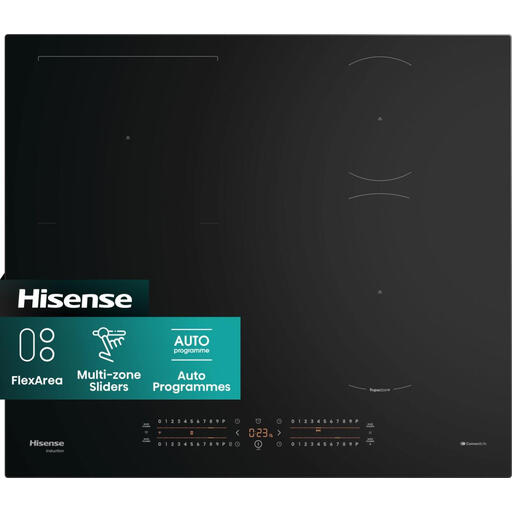 Image unavailable
Hisense HI6432BSCWF Hi6, 60 cm induction hob
Worth considering if you regularly cook with a saucepan or frying pan. Check the installation dimensions and connection requirements for this built-in hob; its power rating alone won’t tell you how much energy your meals will use.
View on Joybuy
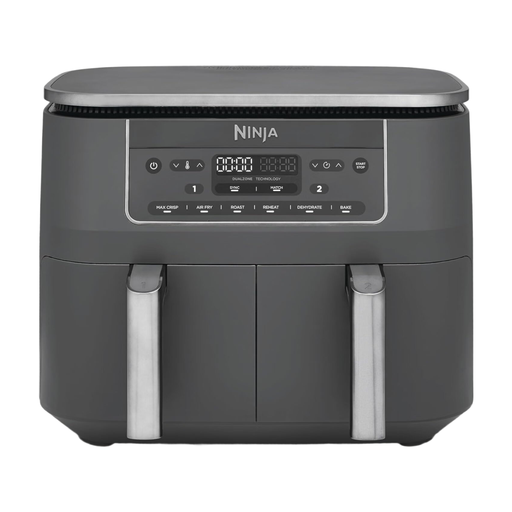 Image unavailable
Ninja Dual Zone DZ300EU, two drawers, 7.6 L
Its two drawers may appeal to households preparing two parts of a meal in a compact appliance. This air fryer is listed with six functions and a total capacity of 7.6 L. Check that your portions fit in the drawers, and compare energy measurements for the types of cooking you do before expecting to save energy.
View on Joybuy
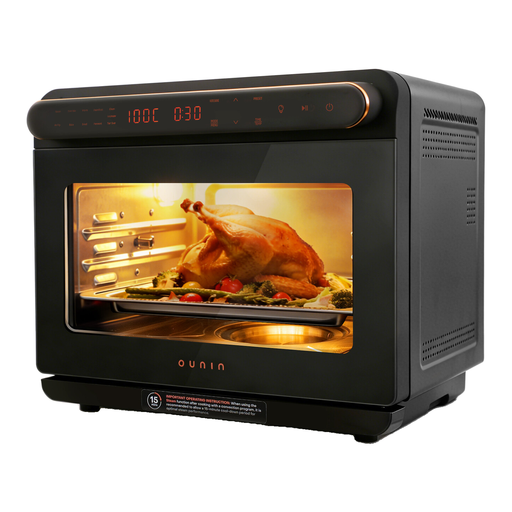 Image unavailable
OUNIN, 24 L countertop steam combi oven, 10-in-1
Worth considering if you’d like to bring several types of cooking together in a countertop oven. The model name lists steam, air-fry and rotisserie functions, as well as a 1 L water tank. Check the dimensions, clearance and electrical connection before deciding where to put it.
View on Joybuy
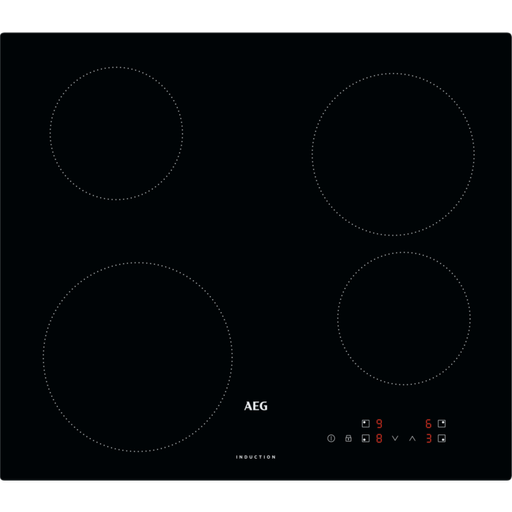 Image unavailable
AEG IBS64200CB, 59 cm induction hob
Another option for cooking with a saucepan or frying pan as part of a built-in hob project. The model is described as semi-flush-mounted with a two-phase Perilex connection. Before ordering, check the instructions for the installation type and recess dimensions, and make sure the connection is compatible with your installation in France.
View on Joybuy
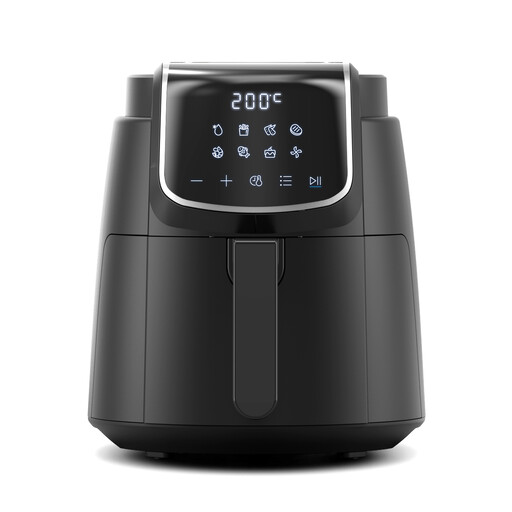 Image unavailable
Midea, 4 L air fryer, 1,500 W
Worth considering for dishes that fit in a 4 L basket. The model is listed with eight modes, a temperature range of 35 to 200 °C and a 60-minute timer. Its 1,500 W power rating alone won’t tell you how much energy it uses during cooking.
View on Joybuy
Frequently asked questions
Can you directly compare the annual kWh figures for a hob, oven and microwave?
Not to find out which uses the least energy to prepare the same meal. ADEME lists 115 kWh a year for an induction hob over 409 cycles, 130 kWh a year for a 63 L electric oven over 187 cycles, and 40 kWh a year for a microwave, without specifying the number of cycles in this table. To compare two ovens, look instead at their energy use per standardised cycle and the cooking functions used for the measurements.
What should you check before replacing an electric hob in France?
Before buying, check the model’s instructions, installation dimensions and the electrical circuit in your home. For new installations or full renovations covered by the requirements it sets out, Promotelec specifies a dedicated 32 A circuit for a hob or electric cooker. In an existing home, don’t judge compatibility by the socket alone; have the installation checked if you’re unsure.
Does the wattage tell you how much electricity a meal will use?
No. Electrolux’s stated total power of 2,780 W for the EOC5H40X oven and Bosch’s stated maximum microwave power of 800 W for the BFL520MB0 don’t measure the energy used to prepare a recipe. This depends, among other things, on the cooking time and function. Use energy data based on a clearly defined type of use.
Can a compact appliance replace an oven for every meal?
Not for every meal: the food needs to fit in the basket and the appliance’s functions need to suit the recipe. For example, Philips lists a 6.2 L basket and a 1.2 kg capacity for the Airfryer XL HD9270/90. If you often cook large dishes or several batches, compare these limitations with an oven’s cavity and functions.
Is the energy label enough to help you choose an oven?
No. European regulations provide for cavity energy consumption to be measured over a standardised cycle, using conventional heating and, where applicable, fan-assisted cooking. This helps you compare ovens on a consistent basis. Also check the cavity capacity, the functions your recipes need and how often you cook.


