Students with access to a microwave
For families looking for a pouch that can be stored unopened and who can confirm that the student will genuinely be able to reheat their lunch. Preparation instructions vary by recipe.


When choosing rice for a secondary school lunchbox, start by thinking about how it will be eaten. A pouch that needs reheating is only suitable if the necessary equipment is genuinely available, while a no-reheat lunch calls for a product that explicitly says it can be eaten cold. Then check the allergens, quantity and instructions for use after opening: storage in a cupboard applies to an unopened pouch, not to any leftovers.
For families looking for a pouch that can be stored unopened and who can confirm that the student will genuinely be able to reheat their lunch. Preparation instructions vary by recipe.
For a lunchbox that will be eaten cold, choose a product that explicitly says it can be eaten cold. The fact that an unopened pouch can be stored in a cupboard does not mean it is suitable for this use.
The exact recipe matters when certain ingredients or allergens need to be avoided. If the pouch is intended to provide more than one meal, its storage instructions after opening should also inform your choice of size.
Start with how the rice will be eaten at school, then check the label for the specific product rather than relying on the words “long-life” alone.
| Factor | What to check | Who it matters to |
|---|---|---|
| Reheating | Make sure the required equipment is available and follow the recipe instructions, particularly the stated cooking time and power setting. | If lunch needs to be hot, you need to know whether the student can actually use the necessary equipment. Around 30% of consumers would prioritise this need for reheating. |
| Eating cold | Look for an explicit statement on the specific product that it can be eaten cold or “hot or cold”. | If reheating isn’t possible, you’ll want to choose a product expressly intended to be eaten cold. This would be the main concern for around 30% of consumers. |
| Storage | Check the storage instructions before opening, then note the temperature and time limit for an opened pouch. | If some of the pouch will be saved for another meal, you need to be able to store it according to the manufacturer’s instructions. Around 20% of consumers would prioritise managing leftovers in this way. |
| Recipe and quantity | Check the ingredients and allergens, net weight and stated number of portions, if shown on the packaging. | When putting lunch together, you’ll want to know what’s in the recipe and how much rice the pouch contains. Ingredients and portion size would be priorities for around 20% of consumers. |
A pouch that is shelf-stable before opening may still be intended to be reheated. In that case, it may not be suitable for lunch without access to a microwave.
For a lunchbox that will be eaten cold, look for an explicit statement on the product that it is suitable for this use.
Instructions change after opening and vary by recipe. Auchan’s product listings for Jardin BiO étic vegetables and chicken and Ben’s Original Curry and Vegetables say that unreheated rice should be eaten within 2 days when kept chilled and within 3 days when refrigerated, respectively.
Choose a pack size to suit the meals you have planned, and follow the temperature and time limits on the packaging you buy.
A portion kept beyond the stated time limit may end up being thrown away.
Recipes and mixes may contain more than just rice. Carrefour’s product listing for CEREAL BIO Teriyaki-style rice, for example, mentions soya, wheat and sesame.
Check the ingredients and allergen information for the product you buy, even if you already know the brand.
Weight alone doesn’t tell you how many meals a pouch provides: Auchan’s listing for Ben’s Original Curry and Vegetables says its 250 g pouch contains two portions.
Compare the net weight, stated number of portions and how the product fits into the lunch you have planned.
Auchan describes its Curry and Vegetables option as a 250 g express pouch containing two portions.
The vegetables and chicken recipe featured by Auchan combines these ingredients with rice in a 220 g express pouch.
The products considered include a Teriyaki-style rice featured by Carrefour and a wheat, red rice and quinoa mix described by Joybuy.
Carrefour’s listings include express microwave rice in Paella and Tomato flavours, both in 250 g packs.
Carrefour’s listings include 220 g microwave pouches, including basmati rice and seasoned varieties.
These products include rice dishes that need to be prepared or reheated, as well as a cup of cooked rice. For a school lunch, check the equipment required, the ingredients and the instructions on each pack. Don’t assume a product can be eaten cold just because it can be stored unopened at room temperature.
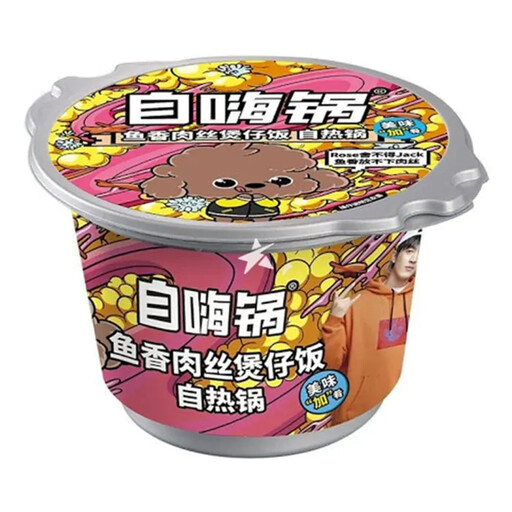 Image unavailable
Only consider this if using a self-heating kit is permitted at school and it can be used there safely. The title mentions pork, but the associated ingredient information is inconsistent about whether it contains pork. Check the packaging before making a choice based on its ingredients.
 Image unavailable
This rice and lentil recipe is worth considering for a lunch that can be reheated. Check the preparation instructions and allergen information on the packaging. If you plan to keep some for later, take the meals you have planned into account when checking how to store it after opening.
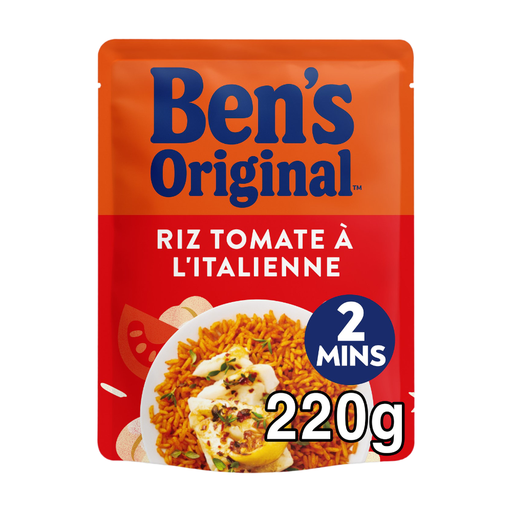 Image unavailable
This pouch is worth considering if lunch can be reheated. Joybuy’s product listing says it contains milk and that, after opening, any leftovers should be transferred to an airtight container, refrigerated and eaten within 48 hours. For a cold meal, check that the packaging explicitly says it can be eaten this way.
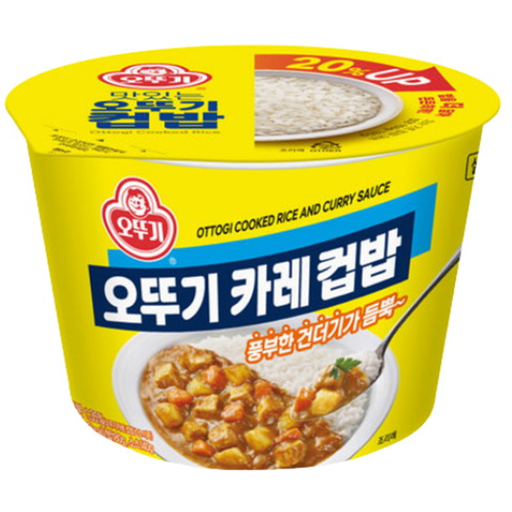 Image unavailable
This curry rice cup is worth considering if you have access to the necessary equipment and water to prepare it at lunchtime. Before choosing it for school, check the preparation instructions, the 320 g quantity and the allergens listed on the packaging.
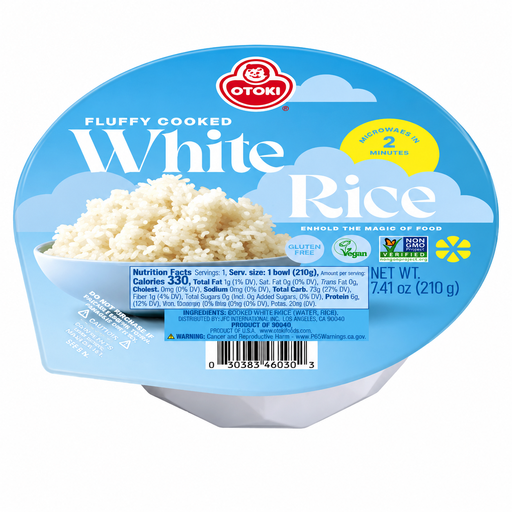 Image unavailable
This cup of cooked rice can be used as the base for a lunch with other foods. Check the preparation instructions on the packaging and make sure the equipment needed is available at school. Don’t assume it can be eaten cold.
Yes, if the product you choose explicitly says it can be eaten cold. The fact that it can be stored at room temperature before opening isn’t enough. For example, Joybuy says its CEREAL BIO wheat, red rice and quinoa mix can be eaten hot or cold. It’s a cereal mix, though, and this guidance doesn’t apply to all cooked rice products.
Follow the temperature and time limit stated for the product you’ve bought. Instructions vary: Auchan says that Jardin BiO étic vegetables and chicken should be kept chilled and eaten within 2 days of opening, while Joybuy’s listing for Ben’s Original Tomato & Olive Oil Rice says it should be stored in an airtight container in the fridge and eaten within 48 hours.
Yes, because recipes can contain ingredients other than rice. Carrefour’s listing for CEREAL BIO Teriyaki-style rice mentions soya, wheat and sesame. Always check the ingredients and allergen information on the packaging you buy.
When choosing lunch, check the recipe name, ingredients and allergens, nutritional information, net quantity, date and storage instructions. The Directorate General for Competition Policy, Consumer Affairs and Fraud Control stresses the importance of this information on prepacked food. Preparation instructions and guidance for after opening should also help you decide how to use the specific product.