Households replacing a built-in oven
If you regularly cook in the oven, first check the existing housing, the planned connection and whether you genuinely need an integrated microwave before replacing a 60 cm oven with a compact appliance.


Choose a convection oven if baking and roasting are your main priorities and you already have a separate way to reheat or defrost food. ADEME and the French National Consumer Institute indicate that the results delivered by combi ovens vary depending on the dish, model and brand. A combi oven is most useful when one space needs to combine oven cooking, microwave heating and defrosting. A mini oven is better suited to smaller quantities, while a separate oven and microwave allow you to use both appliances independently.
If you regularly cook in the oven, first check the existing housing, the planned connection and whether you genuinely need an integrated microwave before replacing a 60 cm oven with a compact appliance.
When there is no room for two appliances, a combi oven can combine cooking, defrosting and reheating, provided its capacity and dimensions suit the dishes you usually prepare.
A mini oven can handle simple recipes and smaller quantities. Compare its capacity, the size of dishes it can accommodate and the space available on your worktop.
Start by separating the dishes you cook in the oven from those you mainly want to reheat or defrost, then check the available space and installation requirements for your chosen model.
| Priority | What to check | Your needs |
|---|---|---|
| Cooking modes | Look specifically for convection or fan-assisted cooking for roasts, gratins and baking. Check the microwave mode and defrosting functions separately. | I mainly prepare oven-cooked dishes, but I may also want to reheat a meal quickly or defrost food. The ADEME-INC study recommends comparing use by dish rather than assuming that a combi oven is better for every recipe. |
| Housing and overall size | Compare the width, height and depth of the housing with the installation diagram. Also check the specified clearances and the genuinely usable capacity. | My kitchen needs to accommodate the appliance without reducing the space required for my usual dishes. A compact combi oven, a 60 cm oven and a built-in microwave do not necessarily use the same format. |
| Connection | Check the connection type, voltage, power rating and amperage specified for the exact model. Confirm compatibility with the existing installation before ordering. | I want to avoid discovering after delivery that the appliance is not compatible with the available socket or circuit. Promotelec points out that ovens are among the kitchen appliances requiring a dedicated power supply. |
| Cooking capacity | Compare the stated litre capacity with the size of your dishes and the number of portions. Also check whether you can cook on multiple levels if this matters for your meals. | I need to be able to use my everyday dishes and prepare quantities that suit my household. A compact format can be convenient, but it does not automatically replace the capacity of a main oven. |
The ADEME-INC trial did not conclude that combi ovens offer a consistent advantage over convection ovens. Results depend on the dishes, models and brands, and the combi ovens tested were generally more expensive.
List your main uses — oven cooking, defrosting and reheating — then check which modes are actually available on your chosen model.
A 60 cm oven, a compact combi oven and a built-in microwave may require very different housing heights.
Measure the width, height and depth of the housing, then compare them with the exact model’s built-in dimensions, clearances and installation diagram.
An appliance may reheat, defrost and grill without offering convection. In that case, it may not cover the expected oven uses for roasts or baking.
If the appliance needs to handle oven cooking, look specifically for a convection or fan-assisted cooking function in its technical specifications.
The connection type and electrical specifications can vary from one model to another, including between built-in appliances in similar categories.
Check the connection, power rating, voltage and amperage stated in the manual. If you are considering modifying the installation, ask a qualified professional to confirm that it is feasible.
A useful reference for households keeping a built-in convection oven as their main appliance, with a separate microwave if needed.
A useful reference for a compact built-in combi oven designed to combine microwave and fan-assisted cooking in a shorter housing.
A useful reference for pairing a built-in microwave with a main oven when the kitchen has two appliance spaces.
A useful reference for worktop mini ovens suited to smaller cooking quantities and kitchens without built-in appliances.
Joybuy options covering the main solutions discussed here: microwave-convection combi oven, built-in convection oven and compact mini oven.
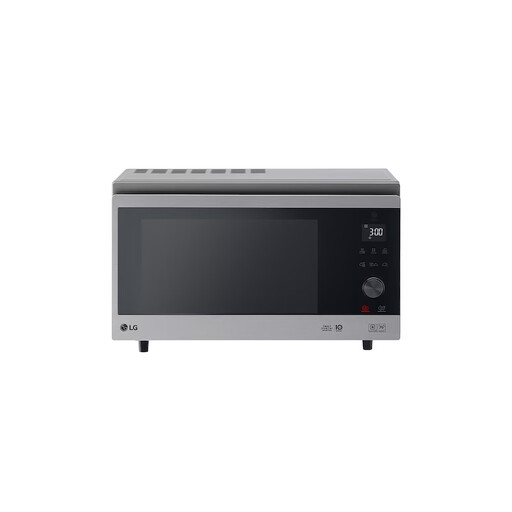 Image unavailable
Worth considering if one appliance needs to handle cooking, reheating and defrosting on the worktop.
The title states 39 L, a range of 40 to 200 °C and a 36 cm turntable. Check the manual for ventilation clearances, plug type and installation requirements.
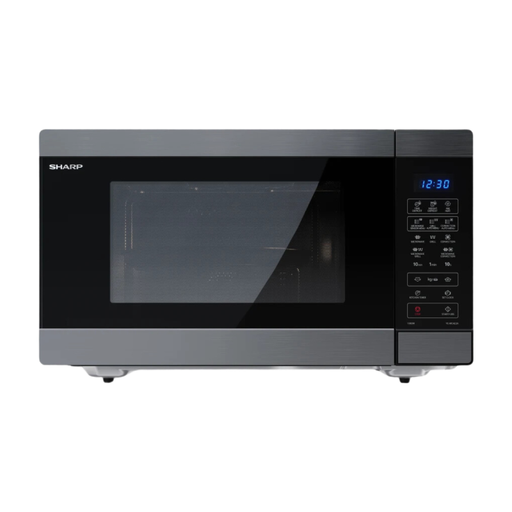 Image unavailable
An option for combining convection cooking, grilling and microwave reheating in one appliance.
The title states 42 L, a range of 140 to 230 °C and 30 programmes. Confirm the defrosting function, connection and required clearances before buying.
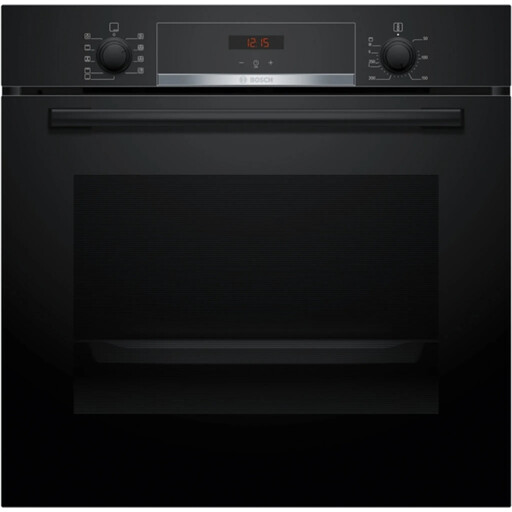 Image unavailable
Worth considering as your main oven if a separate appliance for reheating and defrosting is already available.
The title states 71 L, seven heating modes including hot air, five shelf levels and a range of 50 to 275 °C. Check the exact configuration, housing dimensions and electrical installation requirements before ordering.
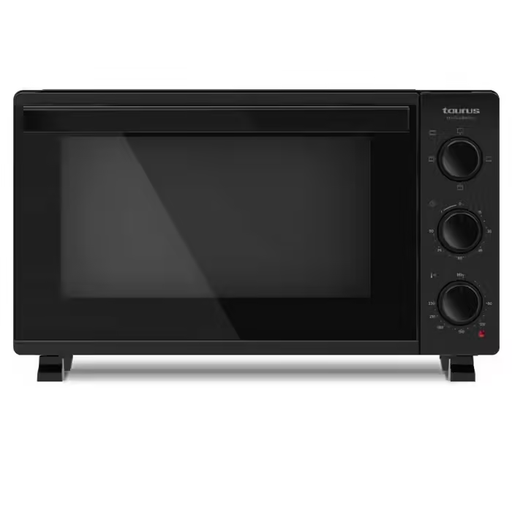 Image unavailable
Suitable for a kitchen without built-in appliances that mainly needs to handle smaller quantities on the worktop.
The title states 23 L, a range of 40 to 230 °C and three heating modes, in a 46 × 27 × 39.4 cm format. Do not choose it on its own if microwave or defrosting functions are essential.
No. The ADEME-INC study, conducted on four combi ovens and ten built-in convection ovens, found that efficiency varies depending on the dish, model and brand, with no overall advantage demonstrated for combi ovens. Compare the programmes needed for your usual cooking rather than relying on a general promise of energy savings.
Not automatically. You need to compare the housing, external dimensions, clearances and installation instructions for the chosen model. For example, Bosch lists a height of 595 mm for the HBG578ES7, while Whirlpool lists 455 mm for the WCT9A9PHTSBF.
Only if the model’s specifications explicitly mention a convection function suited to your needs. Electrolux lists a microwave, grill and automatic defrosting for the Y4SM25TBK, but no convection, so check for this mode before considering it for oven cooking.
Check the manual for the exact model, its connection type and the electrical values specified by the manufacturer, then compare them with the existing installation. Any new circuit or modification must be assessed as part of your installation project.
It depends on the capacity, the size of your dishes and the number of portions. The Moulinex guide suggests over 42 L as a reference for large quantities, while its 18 L OV185101 mini oven accommodates round dishes up to 28 cm or oval dishes up to 33 cm. Compare these measurements with your usual cookware.