
Livraison le jour même ou le lendemain

Qualité garantie

Débloquez vos offres de bienvenue: Livraison GRATUITE | Jusqu'à -80 % | 30 jours d'essai gratuits à JoyPlus
Téléchargez l'application
Whether you’re tackling an interior renovation, painting, building work or professional jobs, construction equipment and tools need to meet very practical demands: taking accurate measurements, being easy to store, offering good visibility and standing up to repeated use. For both DIYers and tradespeople, a poor choice can quickly lead to extra purchases, wasted time or daily discomfort.
A high wattage, an impressive lumen count or a long claimed battery life isn’t enough to judge a product. You also need to consider its power source, its real-world runtime, its resistance to splashes and the different installation options available.
A LED construction site light intended for a covered outdoor area doesn’t need to meet the same requirements as a lamp used in a perfectly dry room. When they’re listed, IP and IK ratings often give you far more useful information than marketing promises.
A laser distance measurer might be compact, but its ergonomics, portability and the accessories supplied make all the difference on site. Similarly, a paint roller sleeve storage container is only truly practical if it can actually hold your rollers.
Before ordering, take the time to compare:
A tool used for a few hours during a home renovation doesn’t necessarily need the same features as equipment used every day. On the other hand, a product that’s too basic for professional use is likely to wear out quickly and make the job less comfortable.
For a laser distance measurer, check the screen readability, the grip, the weight and whether a wrist strap or data cable is included. The ochama LS1 Laser Distance Meter is described as lightweight and easy to carry, with a long-lasting battery and a supplied wrist strap. This type of equipment can be suitable for measurements during decorating, technical courses or on a building site.
However, you should always verify the accuracy figures on the product page. For a measurement that determines a cut, a layout or a material order, it’s best to confirm the result with a second method.
A roller left out in the open air dries out between coats. This can lead to an uneven finish and higher paint consumption. A reusable, airtight container is a simple solution for jobs that stretch over several days.
The ROLLINGDOG Paint Pal Roller Sleeve Storage can hold microfibre, foam or woven sleeves up to 4.3 inches (approximately 10.9 cm). After use, place the sleeve in the container, seal the lid carefully, then clean the storage unit with water or the solvent suitable for your paint. Always use the recommended protective equipment listed on the paint’s safety data sheet, and keep paints and solvents out of reach of children.
Yellow and black warning tape lets you quickly mark off an area, a staircase or a walkway. However, it does not replace a physical barrier, official safety signage or the necessary prevention measures on a construction site.
The TAPEBEAR tape is 50 mm wide and 46 m long. Its product page mentions a PVC backing, pressure-activated adhesion, and resistance to abrasion and water. For the best hold, apply it to a clean, dry, grease-free surface.
When it comes to lighting, look at the light distribution, the cable, the battery and the protection rating. A LED construction site light is about more than just its lumen output: a 360° light can be especially useful in a workshop or open area, while an adjustable beam is better for a specific task.
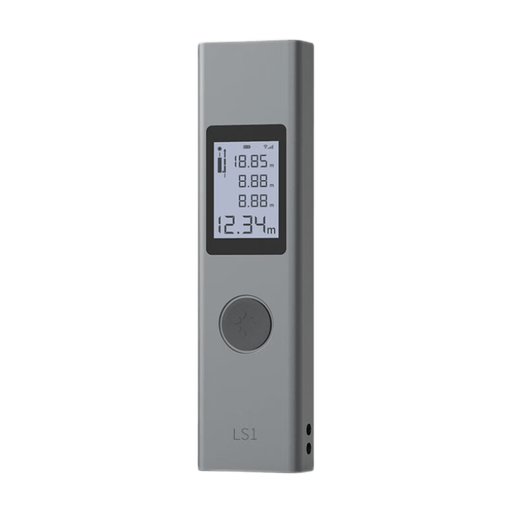
Why this choice suits this profile: Its lightweight design and wrist strap make measuring easier during interior decorating, furniture assembly or small renovation jobs.
The product page lists the included accessories and battery power, so you won’t need to buy extra bits to get started.
Portable format, data cable and wrist strap mentioned on the product page.
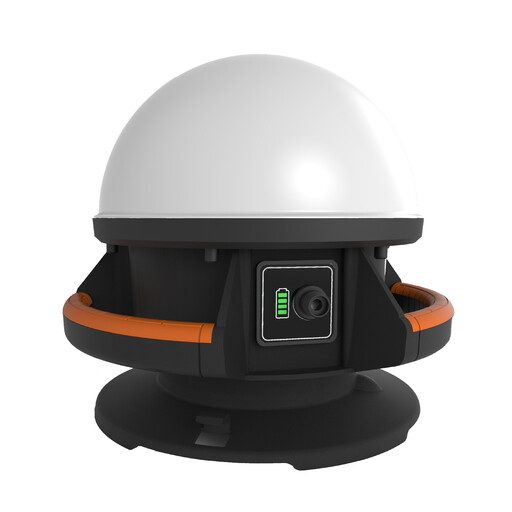
Why this choice suits this profile: This projector is aimed at those who want multiple installation options and flexible power for the workshop, garage or building site.
The product page clearly distinguishes between 220 V mains power and battery operation, and states an IP54 protection rating and IK08 impact resistance.
360° lighting, claimed output of 5,500 lm, two USB ports, hook and tripod thread.
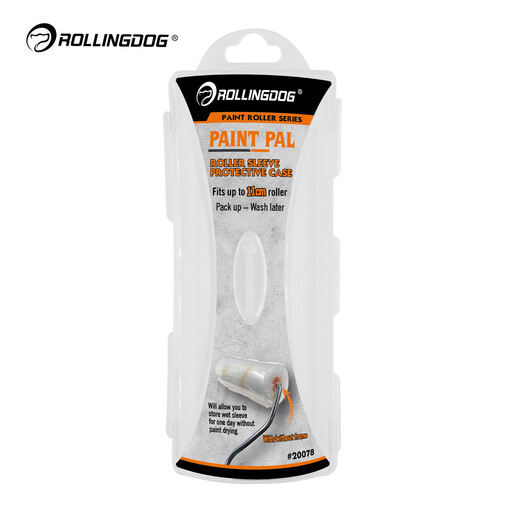
Why this choice suits this profile: Painters and DIYers who spread their work over several days can keep their roller sleeve fresh between coats.
Its airtight lid prevents the roller from drying out between coats, rather than leaving it exposed to the air.
Reusable container, compatible with several types of sleeves up to 4.3 inches.
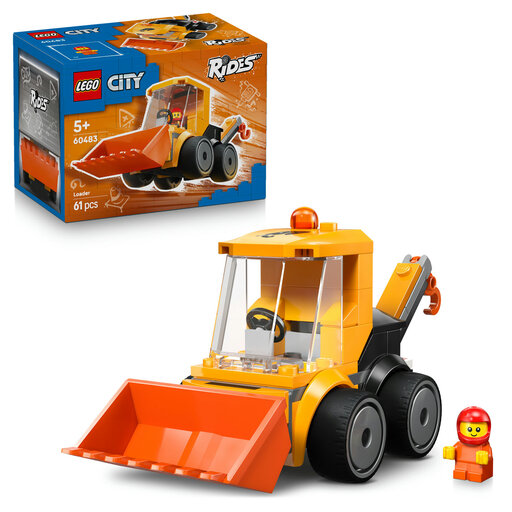
Why this choice suits this profile: This LEGO construction vehicle is aimed at children aged 5 and over who love building and creating stories around construction vehicles.
The recommended age, number of pieces and small parts warning are all listed on the product page.
61-piece set, cab, rubber wheels, front loader and LEGO Builder app.
Before any work, clear the area and check the condition of cables, handles, seals and housings. With a projector, don’t block the ventilation openings and avoid exposing it to heavy rain if the product page only mentions splash protection.
To remove warning tape, do it gradually to minimise adhesive residue. If the surface is painted or delicate, first test the tape on a small, inconspicuous area. For power tools, read the instructions, wear the appropriate protective equipment and follow the manufacturer’s guidelines.
We’ve put together a comprehensive, real-time selection of products that meet these criteria and comply with European safety standards.
Start with the gear directly related to your work: a measuring tool, personal protective equipment, lighting, painting supplies and storage solutions. A compact laser distance measurer, a 360° construction site light or a paint roller sleeve storage container can prove far more useful than a highly specialised piece of equipment you’ll only use once or twice.
The runtime depends on the power setting selected, the battery condition, the temperature and the lighting mode. For the KYF model featured here, the product page claims up to 4.5 hours of cordless operation. This is an indicative figure provided by the manufacturer, not a guaranteed runtime in all conditions.
Clean your tools after each use, dry any parts exposed to moisture and store batteries in a suitable environment. Regularly inspect seals, cables, adhesives and containers. Replace any accessory that is warped or cracked, as well as any container whose closure no longer guarantees its intended use.