
Livraison le jour même ou le lendemain

Qualité garantie

Débloquez vos offres de bienvenue: Livraison GRATUITE | Jusqu'à -80 % | 30 jours d'essai gratuits à JoyPlus
Téléchargez l'application
A connected wireless home alarm can monitor a flat, house, garage or small office without major building work. However, product descriptions can sometimes blur the difference between cameras, sensors and mobile apps, without clearly stating the system’s limitations. Before placing your order, it is therefore worth checking the actual coverage, power requirements and accessory compatibility.
An indoor security camera can send notifications and include a siren, but it does not necessarily replace a complete set of sensors. To protect several entry points, choose a connected alarm system that includes at least a motion sensor and a door and window contact sensor.
A standalone camera is mainly suitable for monitoring one room. It could leave other entry points without direct detection, particularly in a house with several doors or a garage.
A siren rated at 90 dB or more reflects the sound level measured by the manufacturer under specific conditions. This does not mean the signal will be heard in the same way in every room or through thick walls. The siren’s position, the property’s layout and ambient noise also matter.
Also check whether the siren is built into the control panel or supplied separately, and whether it is designed for indoor or outdoor use. A solar outdoor siren, for example, may require a compatible control panel and may not work independently.
A kit may require a microSD card, a mains adaptor that is not included, batteries or an optional subscription for cloud storage. These items have a direct impact on the cost of use.
Before ordering, check in particular:
A Wi-Fi home alarm kit generally uses the home network for remote access, while the sensors communicate with the control panel wirelessly. These two ranges should not be confused. A distance advertised as being “in open field” can decrease significantly when concrete walls, metal partitions or several floors are involved.
The KYF-ALARM-009 model combines 2.4 GHz Wi-Fi with 868 MHz wireless transmission. Its range between the control panel and sensors is advertised as up to 80 m in open field, with the option to add up to 30 compatible accessories. These figures provide a general indication, but do not guarantee the same performance in every property.
A PIR motion sensor should be aimed at areas where people pass through and installed away from radiators, windows exposed to strong sunlight, fans and moving curtains. These elements can cause false alarms.
For an opening sensor, the sensor and magnet must remain correctly aligned when the door or window is closed. Clean and dry the surface before applying the adhesive. If you have pets, a pet-immunity function can help limit certain false alarms, provided you comply with the weight limit specified by the manufacturer.
An alarm with camera should be installed so that it covers useful areas without unnecessarily recording private spaces. Pay close attention to the resolution, rotation angle, night vision and whether it has a physical privacy shutter or privacy mode.
The cameras featured here are designed for indoor or outdoor use, depending on the model. To protect privacy, avoid recording neighbours, public roads or communal areas without a valid reason. Use a unique Wi-Fi password and keep the app and firmware up to date.
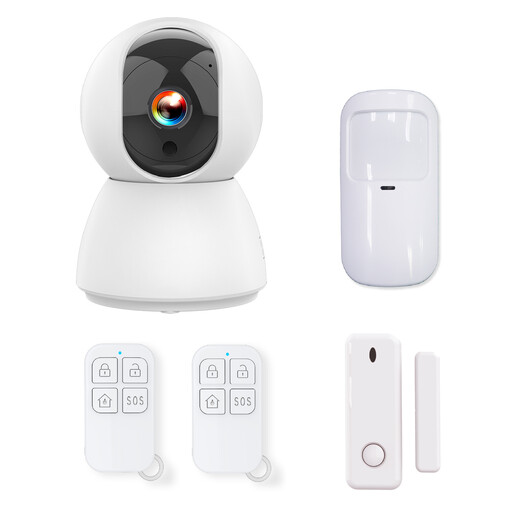
Why this choice suits this profile : The central camera combines monitoring and alarm functions in a wireless system suitable for a flat, small house or office.
The product description clearly lists what is included: a 4 MP camera, PIR sensor, door and window contact and two remote controls. The microSD card, with a maximum capacity of 128 GB, must be purchased separately.
2560 × 1440 resolution, 355° motorised horizontal rotation, two-way audio and an integrated 90 dB siren.
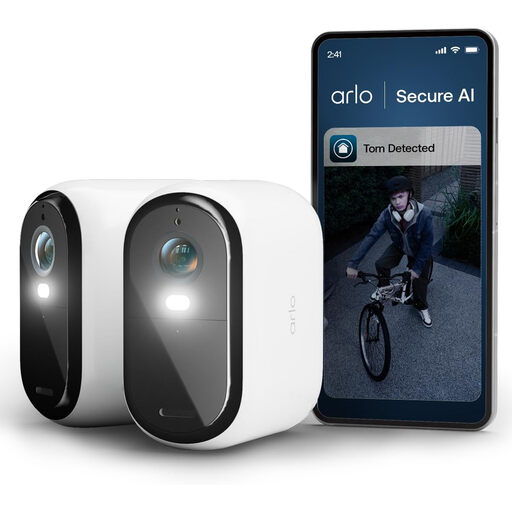
Why this choice suits this profile : This pack of two cameras is designed for homeowners who want to monitor several outdoor areas without running video cables.
These are clearly outdoor cameras, supplied with rechargeable batteries and wall mounts. However, they should not be confused with a control panel paired with standalone opening sensors.
2K video, 130° viewing angle, night vision with a 400-lumen spotlight, two-way audio and an integrated siren.
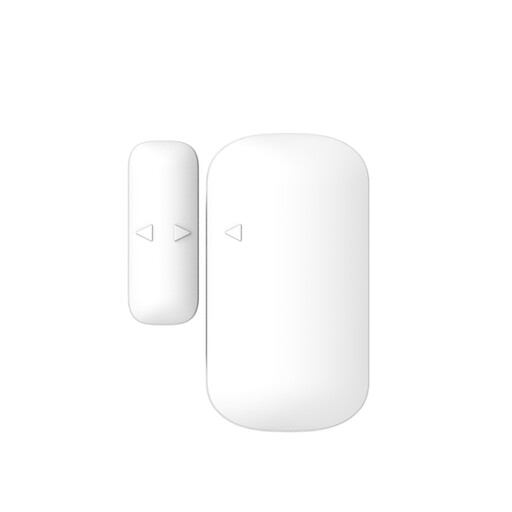
Why this choice suits this profile : Its expandable design is suitable for a house with several entry points or for anyone who wants to add accessories gradually.
Compatibility with TuyaSmart and support for up to 30 accessories are clearly stated. The 5 V mains adaptor is not included: only the USB cable is supplied.
Two door and window contacts, one PIR sensor, two remote controls, three independent zones, smartphone control and an integrated backup battery.
We have put together a complete, real-time updated list of products that fully meet these strict selection criteria and European safety regulations.
Once installation is complete, arm and disarm the system several times. Test every opening sensor, the motion sensor, notifications and the siren. Then check the quality of the Wi-Fi signal at the planned location for the control panel.
To keep the kit working properly:
An outdoor siren, such as the KYF solar siren advertised at at least 110 dB, must be paired with the KYF-ALARM-009 control panel and cannot work on its own. Checking this compatibility before buying will prevent you from ending up with unusable equipment.
It depends on the model. Some kits allow smartphone control, notifications and recording to a microSD card without a mandatory subscription. However, cloud services, advanced features or extended history storage may incur a charge. Check the app’s terms and conditions before making your decision.
The 2.4 GHz band generally offers better range through walls, while the 5 GHz band can provide higher speeds when the device is close to the router. If the kit supports both bands, install the control panel in an area where the signal remains stable and check the app’s exact requirements.
This depends on the type of sensor, how often it is triggered and the quality of the batteries. Some product descriptions state a standby life of several months or even several years, but this varies according to usage conditions. Test the system regularly and always keep compatible spare batteries to hand.