
Livraison le jour même ou le lendemain

Qualité garantie

Débloquez vos offres de bienvenue: Livraison GRATUITE | Jusqu'à -80 % | 30 jours d'essai gratuits à JoyPlus
Téléchargez l'application
The connected camera market is a real jungle. Between marketing promises and overwhelming spec sheets, it's easy to make the wrong choice. The result: a device that disappoints and ends up gathering dust in a closet, due to poor image quality, hidden fees, or unreliable performance. As the Head of Product Recommendations at Joybuy, my goal is simple: to help you see more clearly and focus on the right criteria for a successful purchase.
Before we break down the features, let's review the most common pitfalls that can turn a good deal into a real disappointment.
To ensure you don't make a mistake, here are the three technical points to check first. These are what determine a camera's real-world performance day in and day out.
Beyond megapixels, take a closer look at the sensor size (expressed in inches, like 1/2.8") and the lens aperture (expressed in f-stops, like f/1.7). A larger sensor captures more light, a decisive advantage for sharp, noise-free night images. The same logic applies to the aperture: the smaller the number after the "f/" (f/1.7 is better than f/2.2), the brighter the lens. Recognised sensor technologies, like Sony STARVIS, are a safe bet for night vision.
The first thing to check: the presence of a microSD card slot. Local storage frees you from the constraints of subscriptions and ensures the privacy of your recordings. For an indoor security camera or outdoor one, combining local storage with an optional cloud plan offers the best of both worlds. For a car camera (dashcam), parking mode (surveillance with the engine off) requires a specific hardwire kit. It's the only way to power the camera continuously without the risk of draining your car's battery.
A camera fits into an ecosystem. For a video doorbell, check its compatibility with your voice assistants (Alexa, Google Assistant). For a waterproof action cam, look at its waterproof rating (without a case) and the performance of its stabilisation (e.g., FlowState). For a 4K camera drone, criteria like weight regulations, flight time, or remote control range are just as crucial as image quality.
Rather than a laundry list, we've opted to offer user profile/product pairings. Each selected model meets a specific need and avoids the pitfalls we've just discussed.
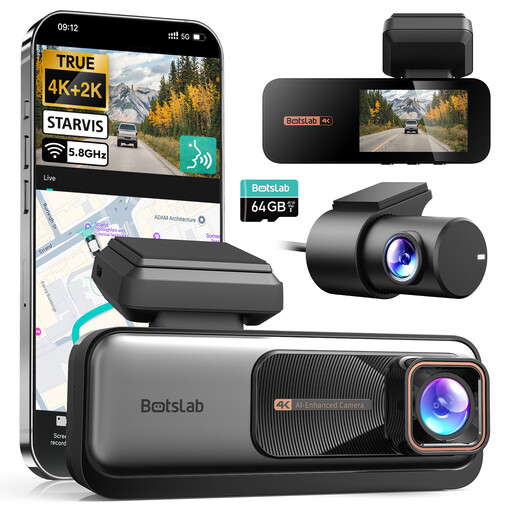
Why it's the right match : Looking for an all-in-one solution to secure your vehicle? This 4K front and rear dashcam checks all the boxes: high resolution, Advanced Driver Assistance Systems (ADAS), and 24/7 parking mode for complete peace of mind.
It doesn't just rely on the "4K" marketing claim. Its Sony STARVIS sensor ensures genuinely effective night vision, sidestepping the trap of superfluous pixels. Bonus: the included 64 GB microSD card saves you from having to buy one separately.
Comprehensive coverage thanks to the dual cameras (4K front, 2K rear). The built-in GPS geotags every incident, and the ADAS features enhance your daily safety.
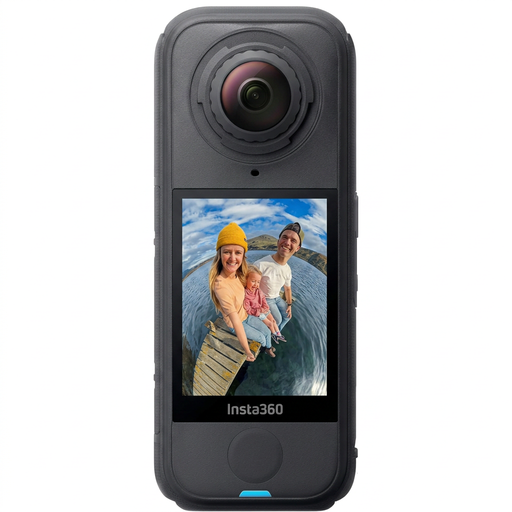
Why it's the right match : Vlogger, traveller, athlete? Your priority is flexibility. This 8K 360 camera films everything around you, leaving you free to choose your camera angles in post-production. A powerhouse of creativity in a feather-light package.
Here, 8K isn't a gimmick. It serves a powerful software ecosystem (AI editing, intuitive reframing) that makes creating spectacular videos accessible to everyone. Cleverly, the removable lens guards address the main weakness of action cams.
The "shoot first, frame later" principle offers absolute freedom. The "invisible selfie stick" effect creates breathtaking, drone-like shots. All with the ultra-effective FlowState stabilisation.
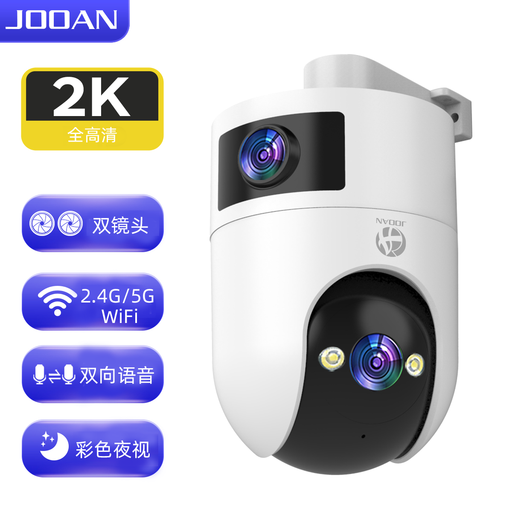
Why it's the right match : Perfect for keeping an eye on a wide area (the garden) while monitoring a specific point (the front door). Its dual lens (one fixed, one motorised) and dual-band Wi-Fi make it an ultra-versatile surveillance solution, both indoors and out.
No vendor lock-in! It gives you a choice with its microSD port (up to 256 GB) for 24/7 local recording. Its WiFi 2.4/5 GHz connectivity prevents the random disconnects that plague entry-level cameras.
The best of both worlds: a fixed lens for the overview, a motorised (PTZ) lens to track movement. Colour night vision and IP66 certification mean it can face the elements without flinching.
Explore our full selection of tested and approved products, all meeting our quality criteria and safety standards.
Absolutely not, provided the camera has a microSD card slot. Local storage is actually the best solution for maintaining control over your data and avoiding subscriptions. The cloud remains a good additional security measure (for example, if the camera is stolen), but it should always be an option, never an obligation.
Not necessarily. For a general view of a room or a garden, a good 2K (or even Full HD 1080p) camera is more than sufficient. You'll save on bandwidth and storage space. 4K only becomes truly useful if you need to zoom into the image to identify a specific detail, like a distant license plate.
Several factors come into play: the quality of the materials, weather resistance for an outdoor model (aim for an IP65 rating at a minimum), and, most importantly, the manufacturer's software support. A reputable brand will offer security updates for several years. For battery-powered models, battery degradation is also a key factor to consider.